
BIodiversity and BioGEochemistry of Riverine landscapes
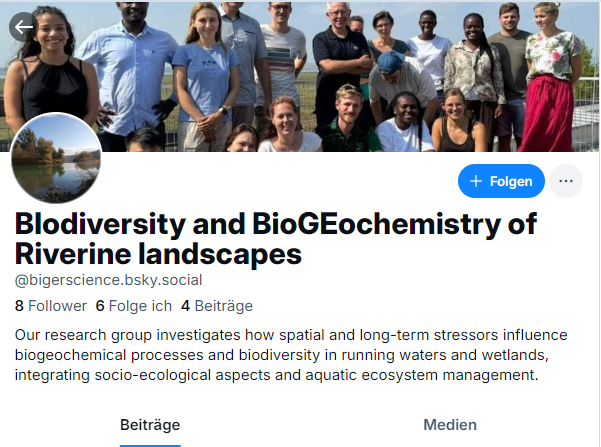
BIGER on Bluesky
Biger in the News


© ORF
Congratulations, Johannes!
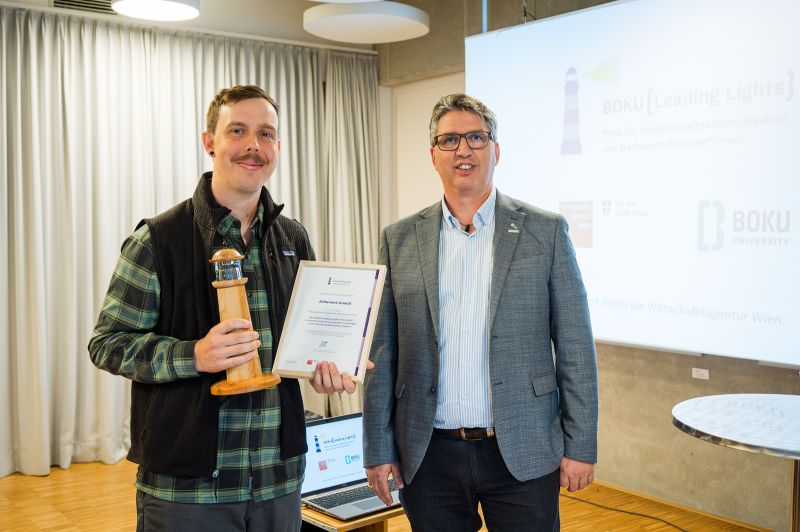
Johannes Kowal recently won the BOKU Leading Lights Award under the ‚Ecosystem Management and Biodiversity‘ category!
Recognising the outstanding achievements of early-career researchers as science communicators, this was awarded to Johannes for his creative, lively and entertaining approach to explaining complex scientific ideas through science slams and short videos!
Congratulations on this outstanding achievement, Johannes!
The link for the official press release is below:
https://lnkd.in/dKA_4_MG
#MERI
New Tool to Prioritise Freshwater Restoration Across Europe
A new paper co-authored by Angeliki Peponi, Gonçalo Duarte, Phelipe da Silva Anjinho, Pedro Segurado, Florian Borgwardt, Andrea Funk, Annette Baattrup-Pedersen, Sebastian Birk, Maria Teresa Ferreira & Paulo Branco, has been published in Ecosystems and People.
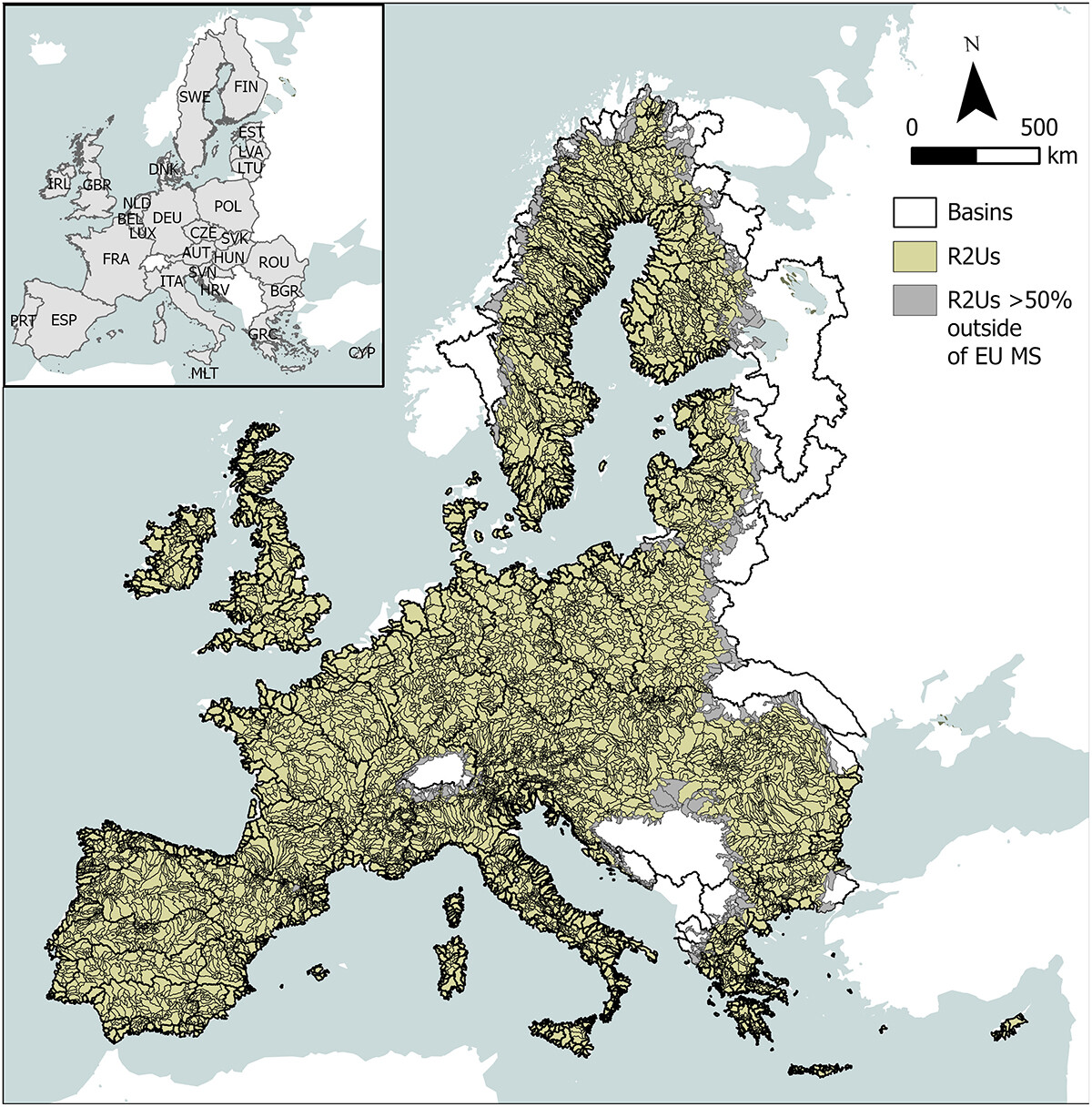
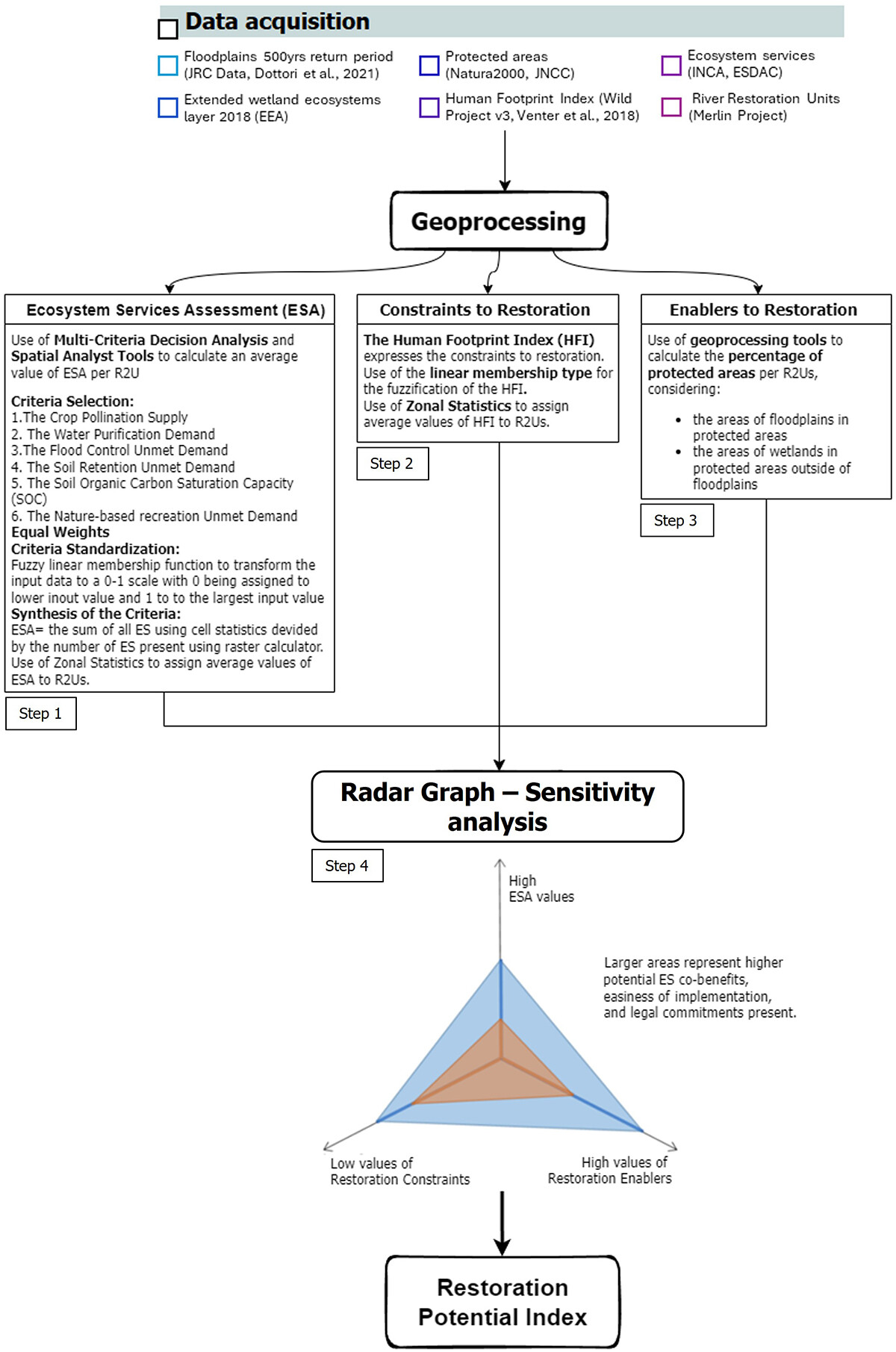
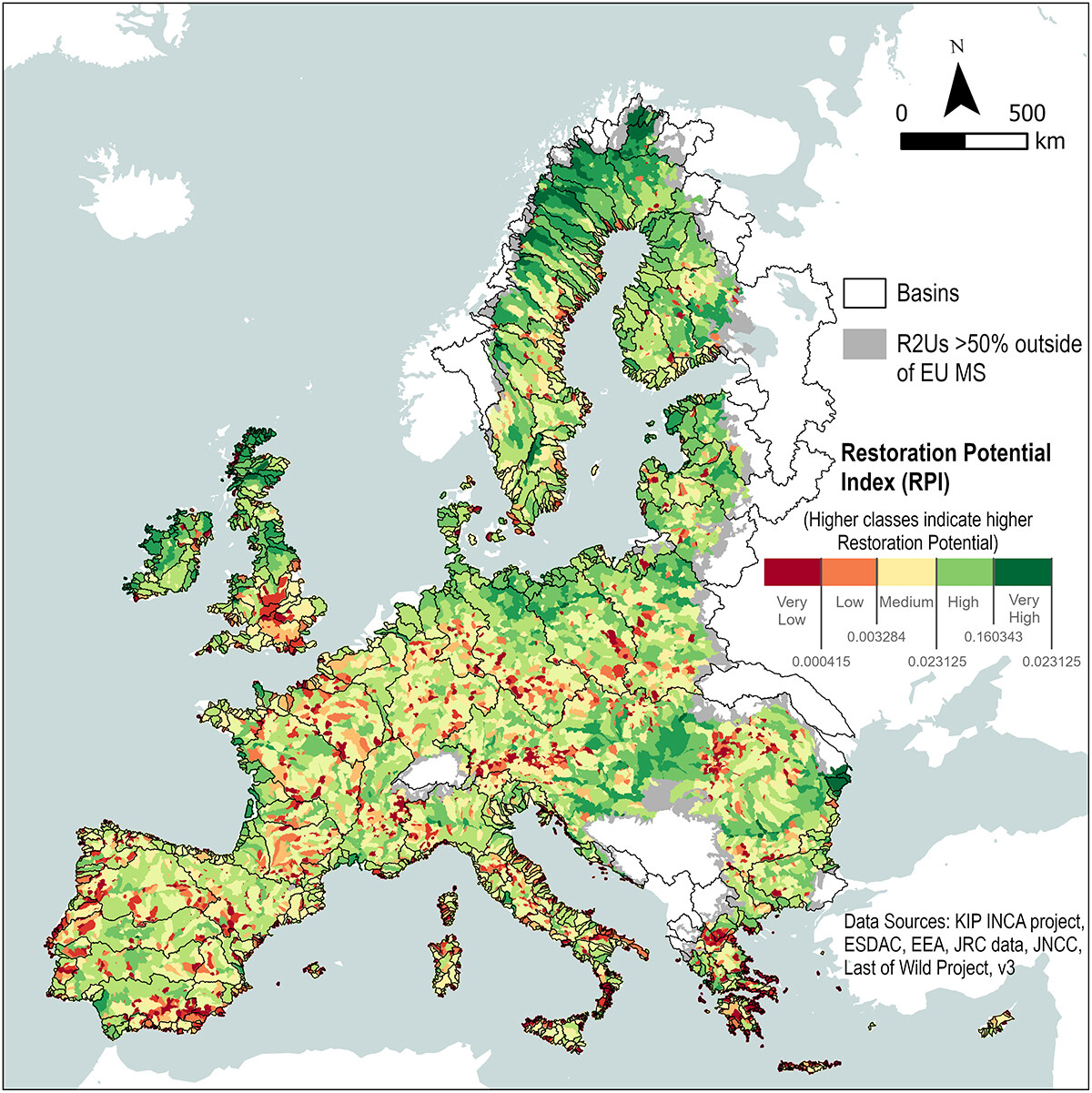
The study introduces the Restoration Potential Index (RPI), a pan-European tool designed to identify areas where freshwater restoration can provide the greatest ecological and societal benefits.
The analysis found that 17.5% of the studied areas have high to very high restoration potential, highlighting where restoration efforts could be most effective and resource-efficient. The RPI supports large-scale, river landscape-level restoration planning and can help guide strategic freshwater restoration across Europe.
Read the full article: https://doi.org/10.1080/26395916.2026.2716152
Congratulations, Dr. Johannes Luca Kowal!
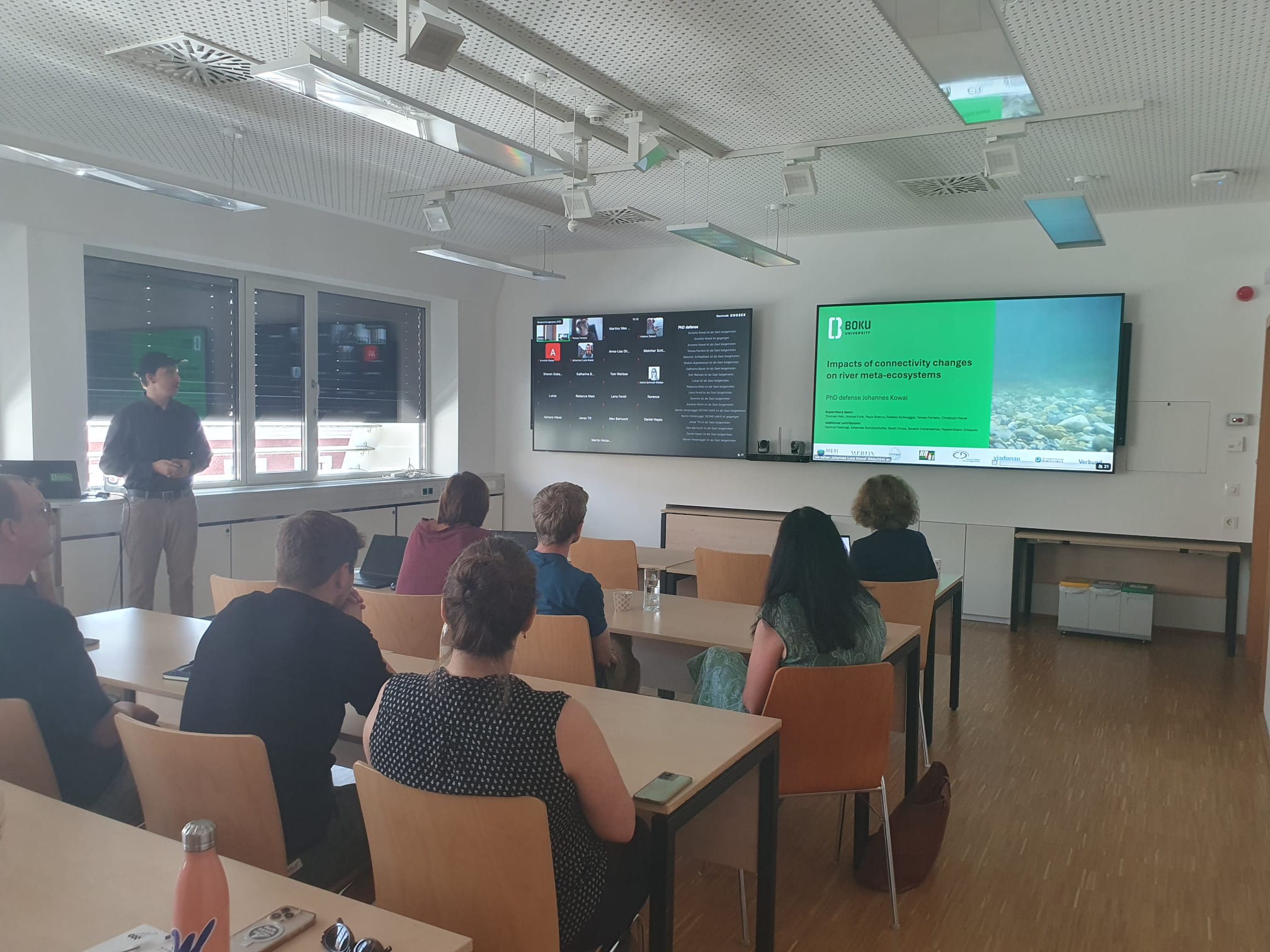
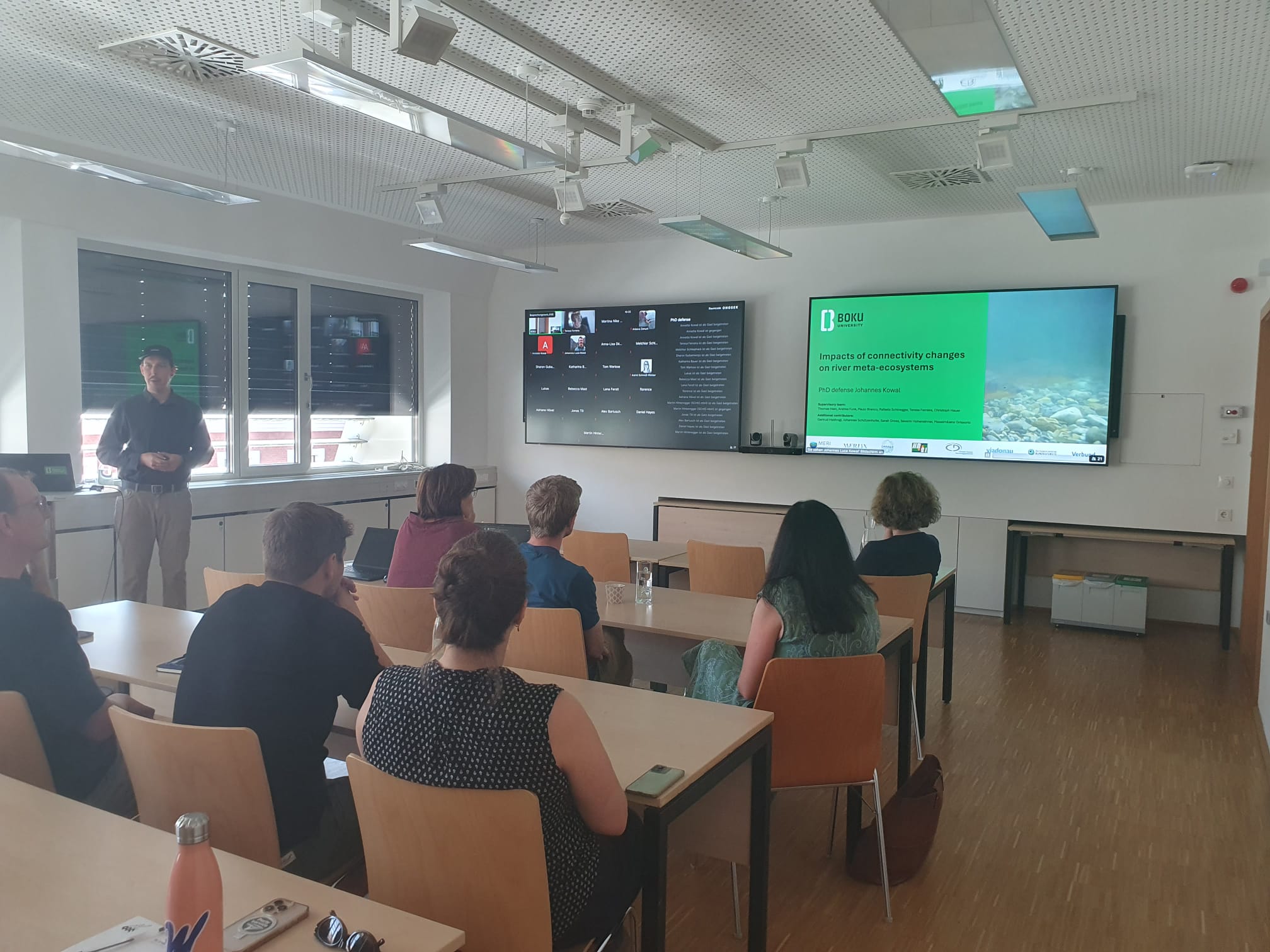
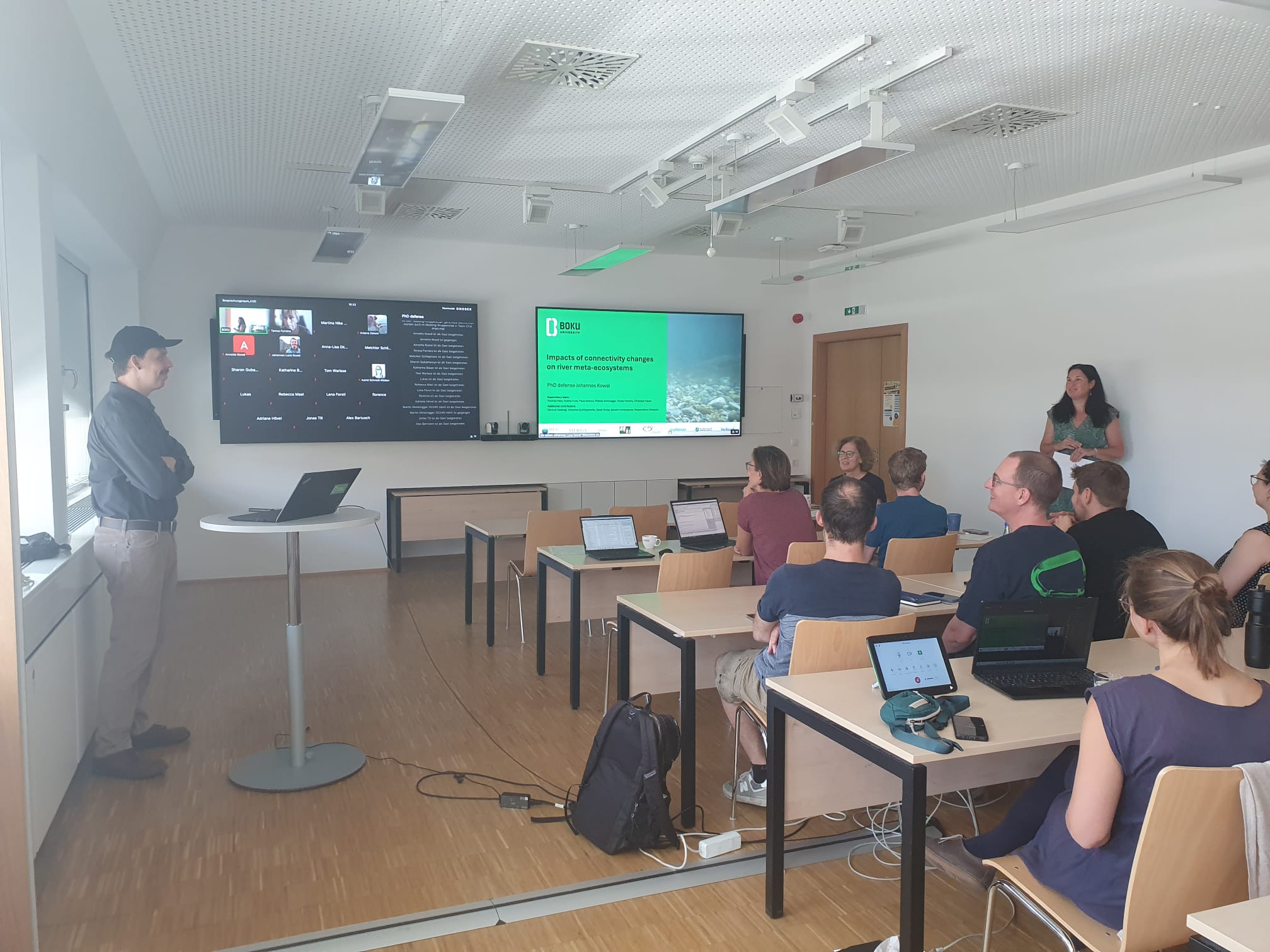
We are happy to announce that Johannes Luca Kowal successfully defended his PhD today!
His thesis, “Impacts of Connectivity Changes on River Meta-Ecosystems,” makes an outstanding contribution to understanding how changes in connectivity affect river networks – and how we can better preserve the ecological processes and properties that connect them.
A remarkable achievement and an important step forward for river ecosystem research.
Huge congratulations, Dr. Kowal!
New study reveals seasonal migration and habitat use of snow trout in Central Asian mountain rivers
A new paper co-authored by Otabek Omonov, Pieterjan Verhelst, Johan Coeck, Robrecht Dockx, Peter Goethals, Bakhtiyor K. Karimov, Erkin Karimov, Damiano Oldoni, Martin Schletterer and Daniel S. Hayes, has been published in Animal Biotelemetry.
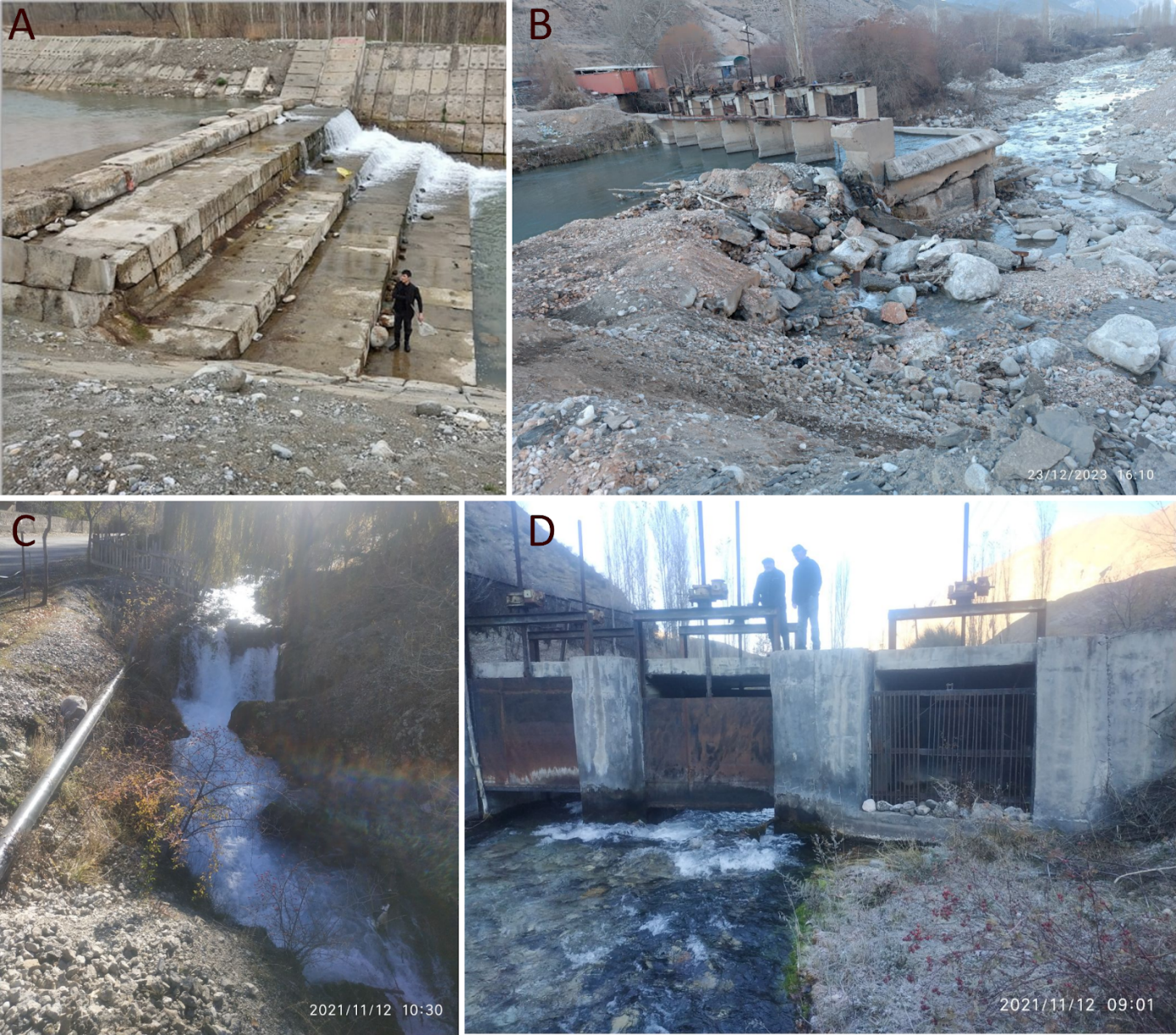
The paper investigates the seasonal migration and habitat use of snow trout (Schizothorax eurycephalus) in the Shakhimardan River basin in Uzbekistan and Kyrgyzstan. Tracking 27 fish for almost two years showed that they can move up to 18 km, migrating downstream in spring and upstream in autumn.
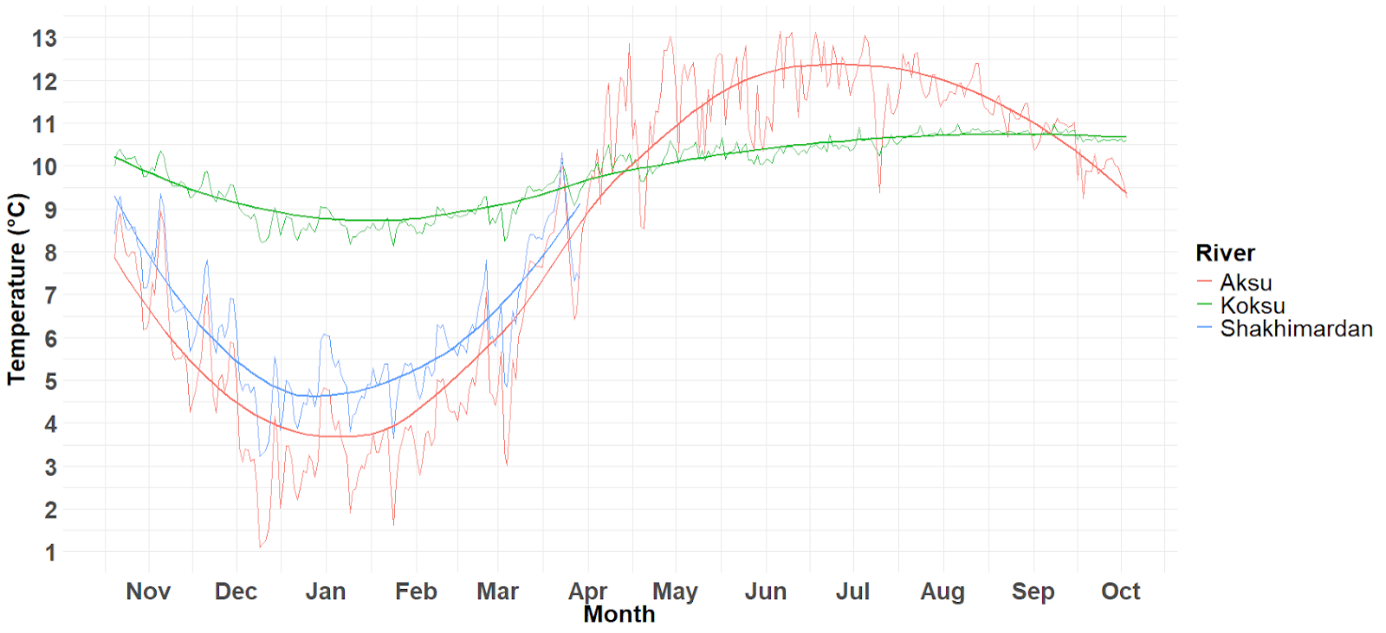
Many fish moved into the groundwater-dominated Koksu River for wintering, potentially using it as a thermal refuge. The authors highlight the importance of maintaining river connectivity and diverse habitats for snow trout conservation, particularly in the context of hydropower development and river restoration.
Read the full article: https://doi.org/10.1186/s40317-026-00488-8
Austrian Research Supersite strengthens long-term monitoring of the Upper Danube
A new paper co-authored by Daniel S. Hayes, Gabriele Weigelhofer, Christian Griebler, Elisabeth Bondar-Kunze, Thomas Hein, Matthias Zessner, Meiqi Liu, Nadija Čehajić, Carolina Boom, Ayac Jimenez Salvador, Gabriel Singer, Oliver Gabriel, Helmut Habersack and Marcel Liedermann, has been published in Österreichische Wasser- und Abfallwirtschaft.
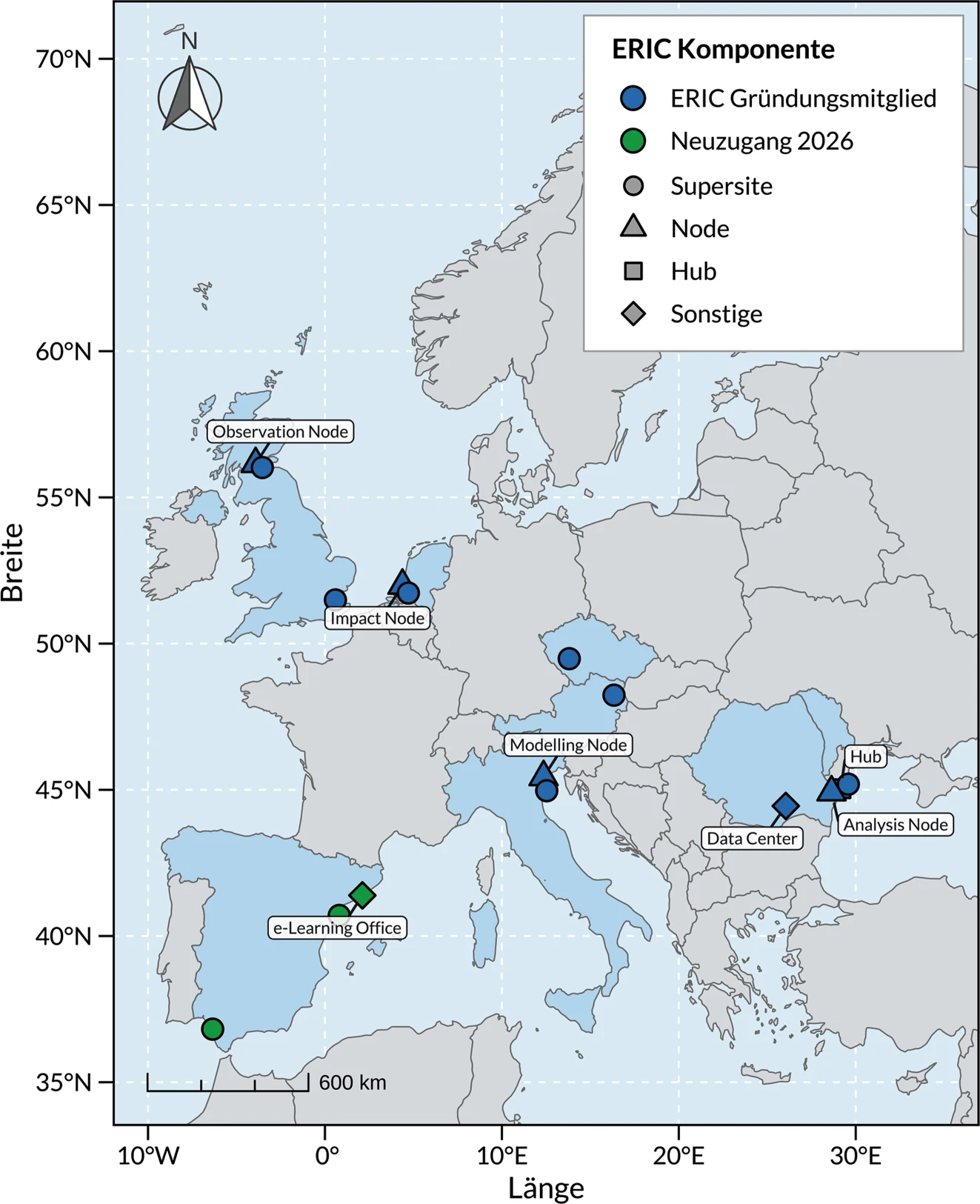
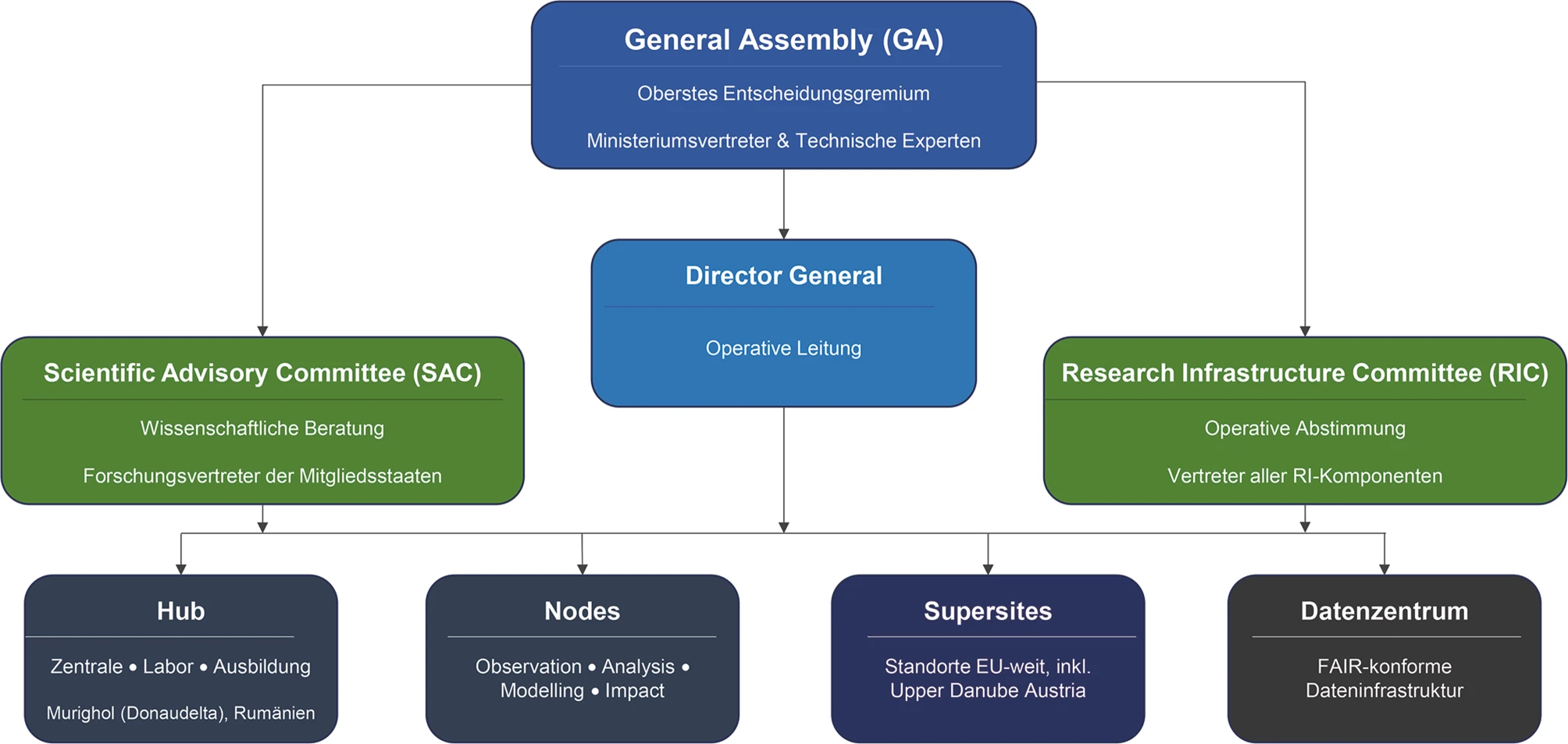
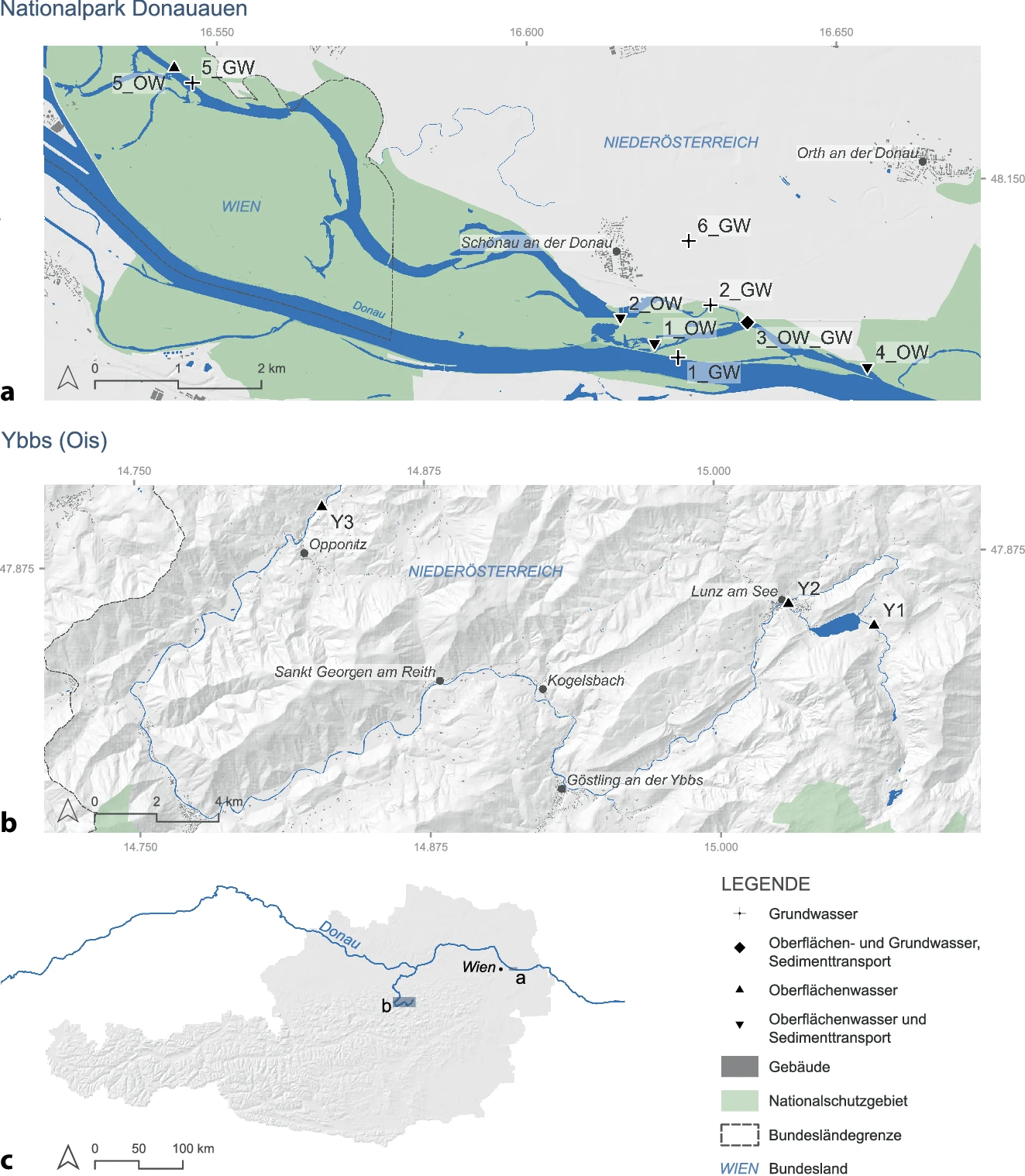
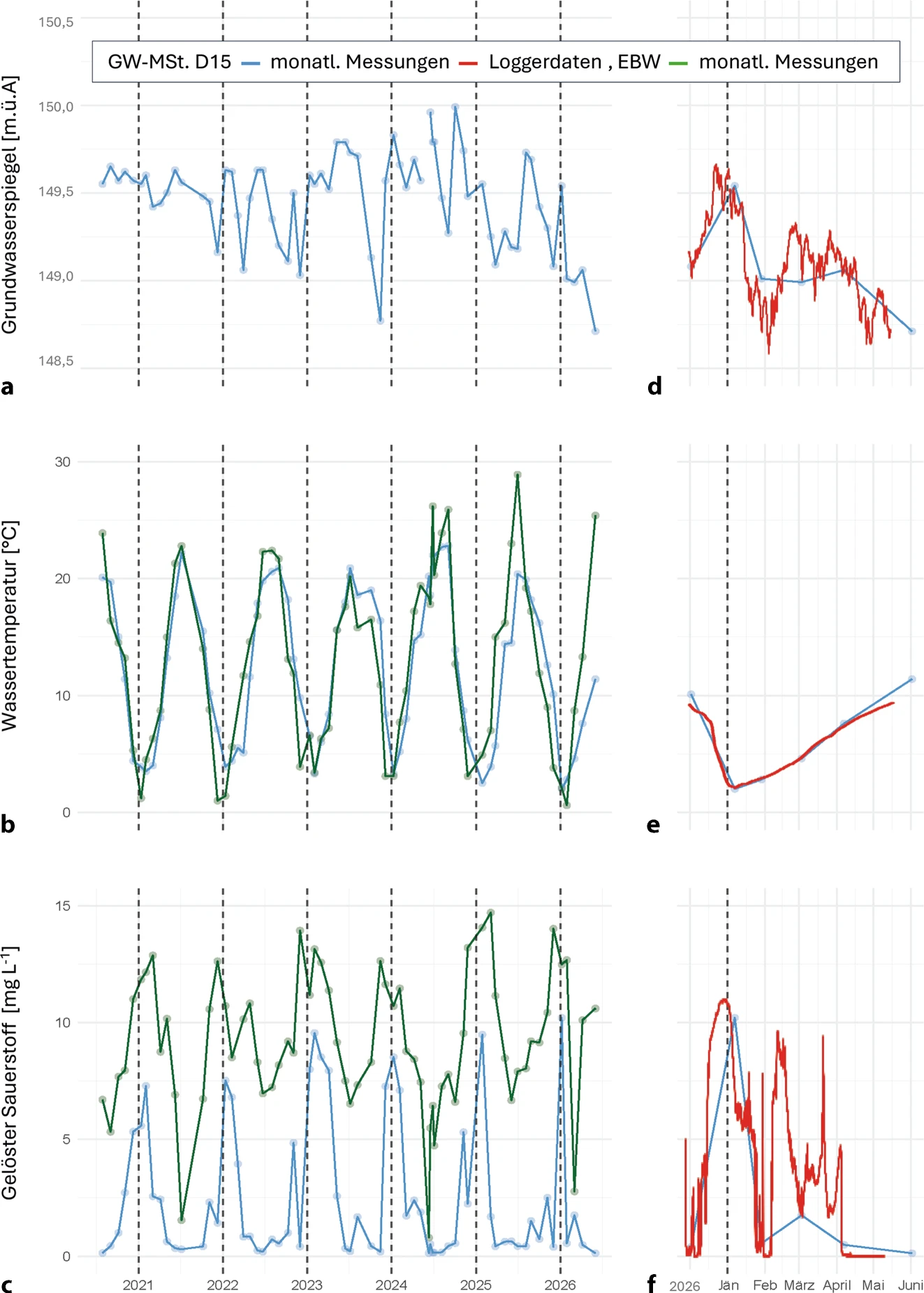
The paper presents the Austrian Research Supersite “Upper Danube Austria” of DANUBIUS-ERIC, a European research infrastructure for the long-term observation of river-sea systems. The Supersite combines two study areas—the Danube floodplains east of Vienna and the Ybbs catchment—with permanent monitoring stations, mobile instruments and laboratory infrastructure.
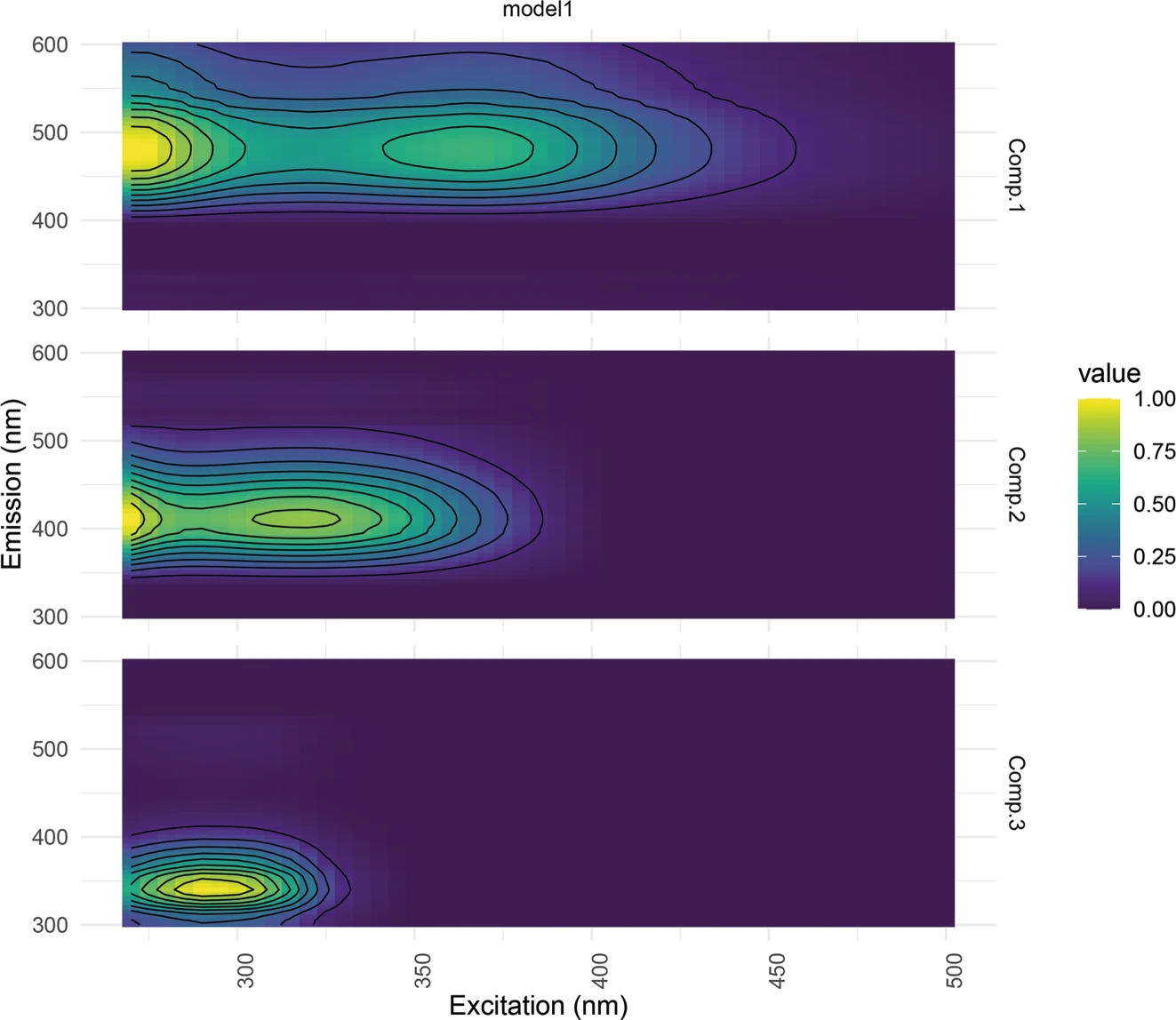
The authors highlight how the infrastructure supports integrated research on groundwater ecology, carbon and dissolved organic matter dynamics, and PFAS transport. The long-term observations aim to support ecological restoration, nature-based solutions and the implementation of the EU Water Framework Directive and Nature Restoration Law.
Read the full article: https://doi.org/10.1007/s00506-026-01249-w
Austrian Research Supersite strengthens long-term monitoring of the Upper Danube
A new paper co-authored by Sara Pérez Pérez, Raquel López Fernández, Iván Ramos-Diez, Patricia Osuna Fuentes, Daniel S. Hayes and Jan De Keyser, has been published.
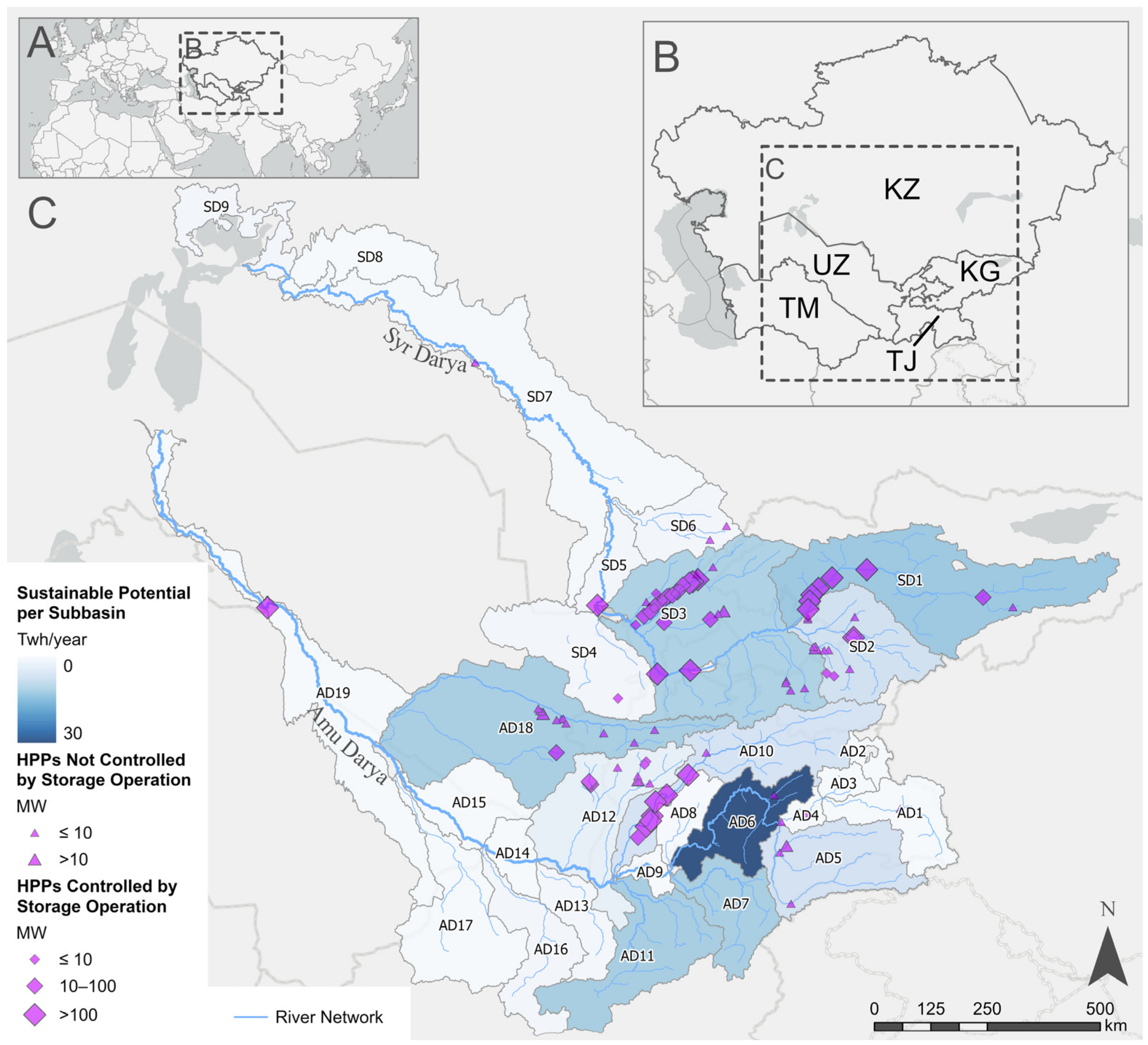
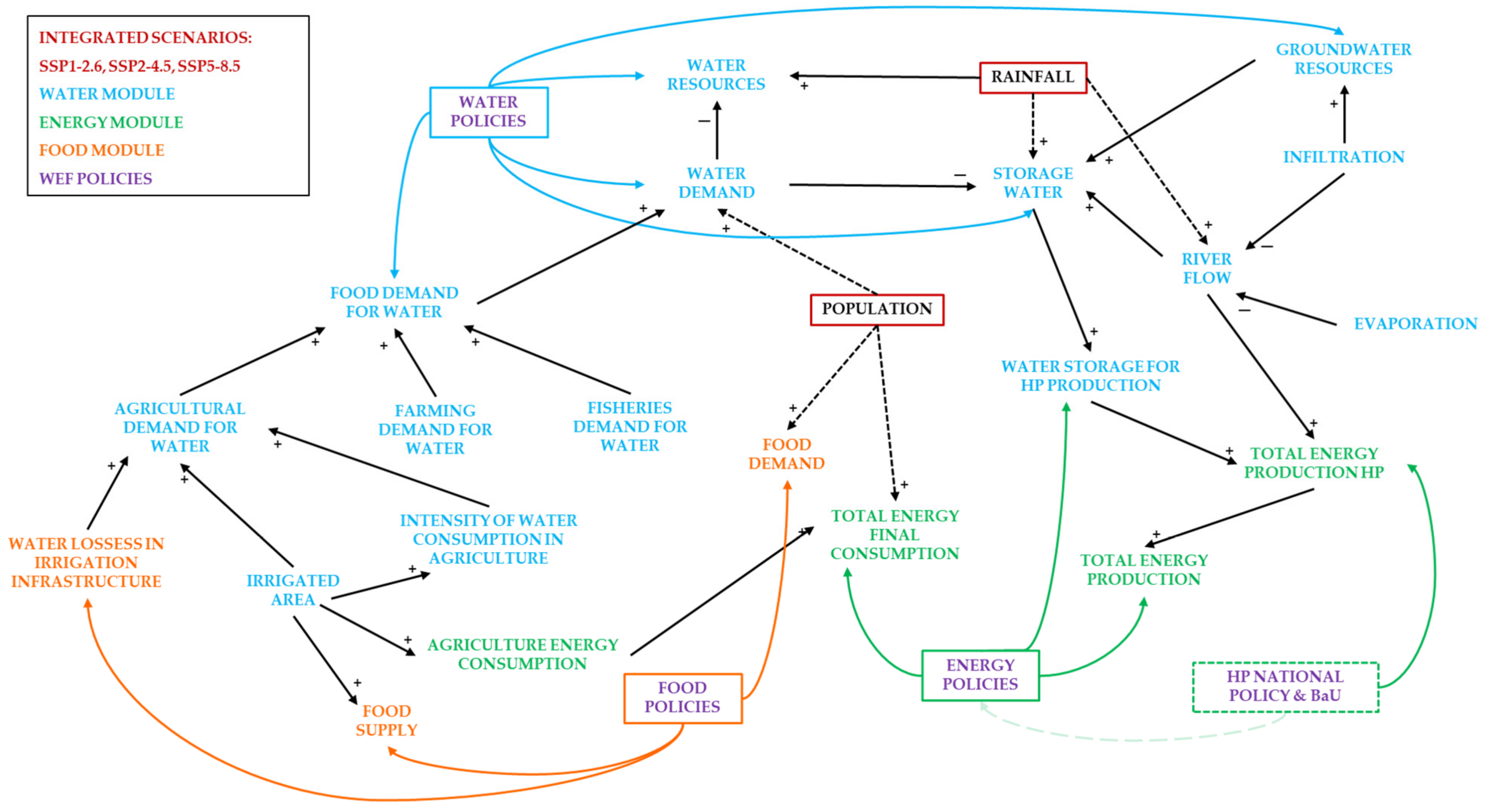
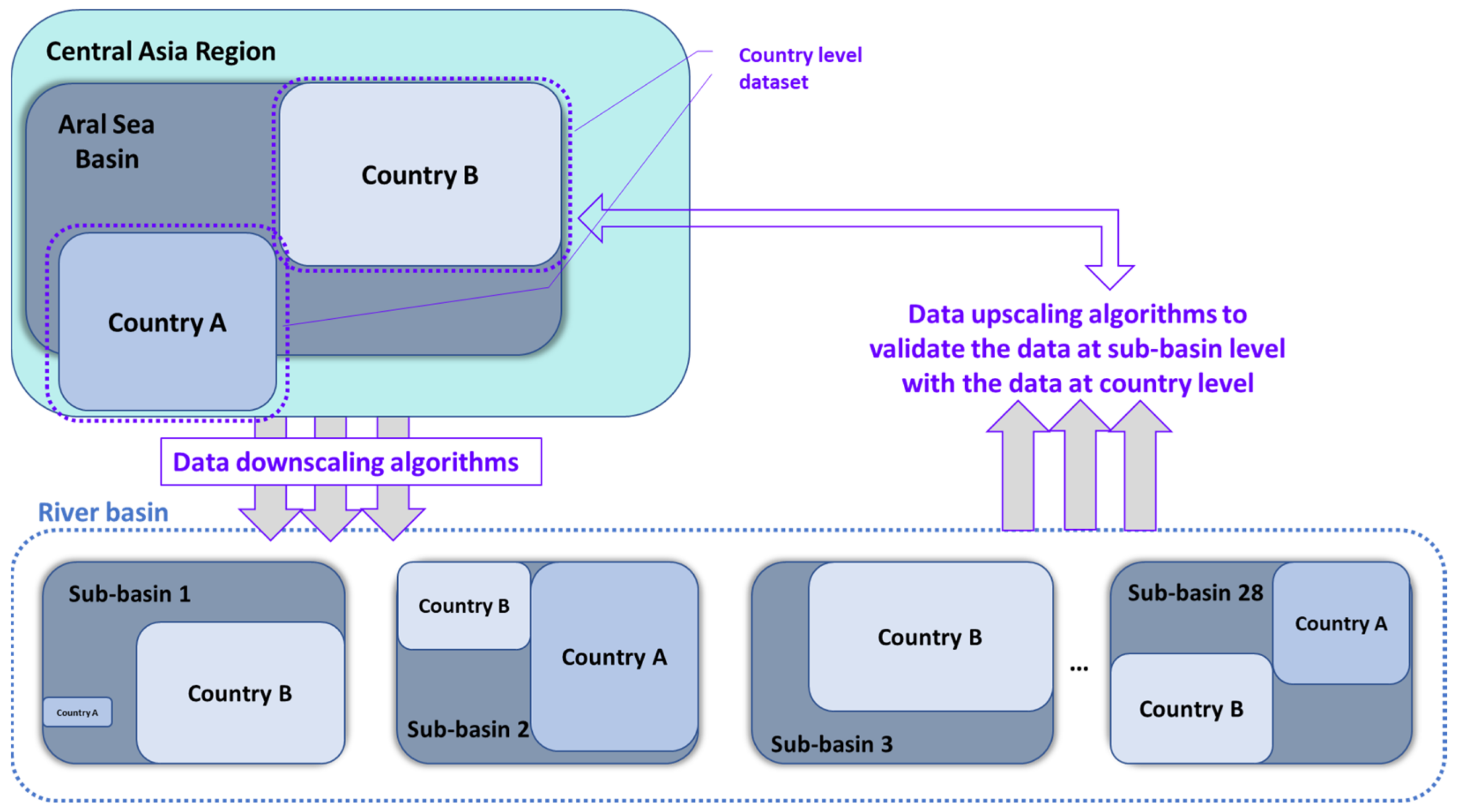
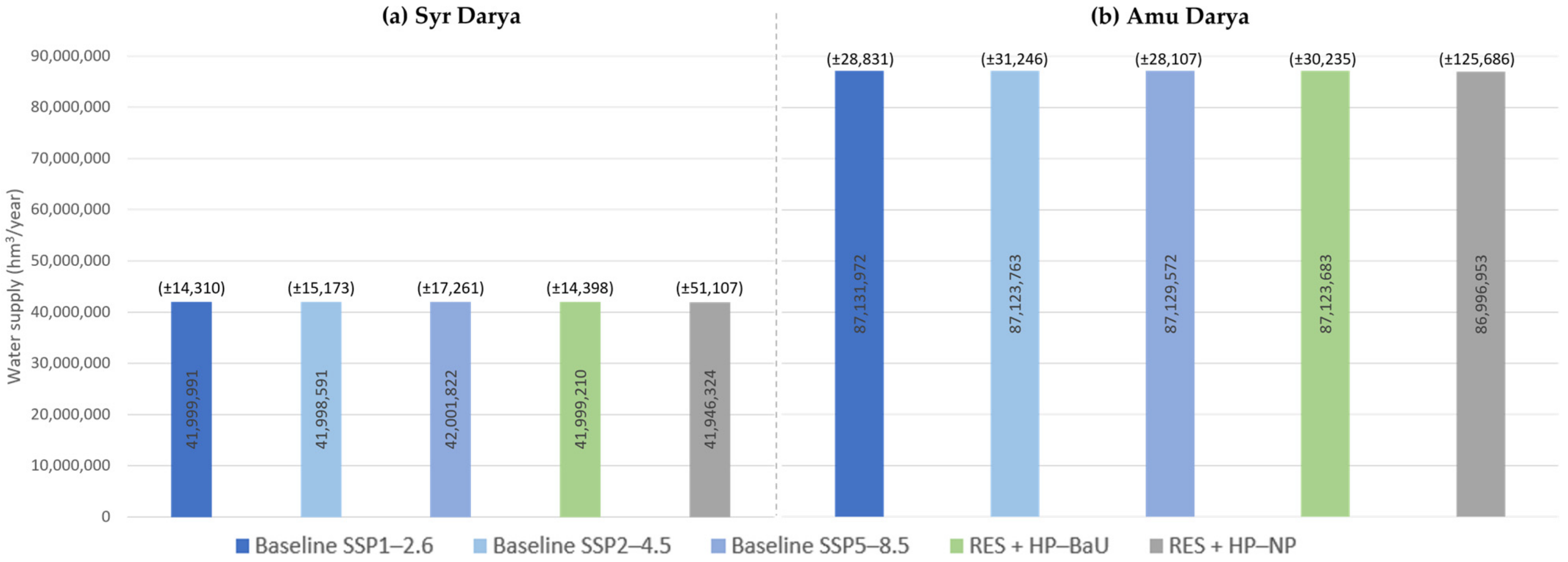
The study examines the Water–Energy–Food (WEF) Nexus in the Amu Darya and Syr Darya basins in Central Asia under different climate and socioeconomic scenarios for 2015–2050. The results show that hydropower development can substantially increase energy capacity, but may also create trade-offs between water availability, food production and downstream flows.
The authors highlight that integrated, basin-wide planning can provide more balanced WEF outcomes and higher inflows to the Aral Sea than upstream-only development. The findings emphasize the need for transboundary coordination of reservoir operations, irrigation planning and downstream water protection.
Read the full article: https://doi.org/10.3390/w18162007
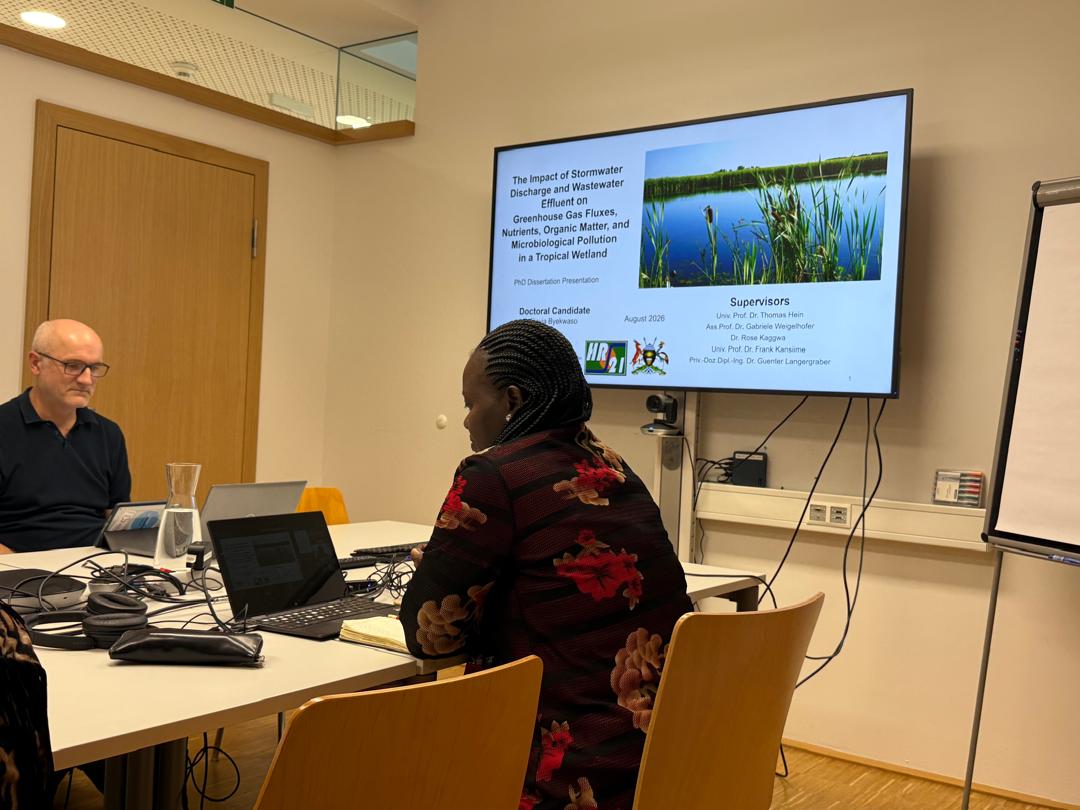
Flavia Byekwaso Successfully Defends Her PhD on Wastewater Impacts and Greenhouse Gas Emissions
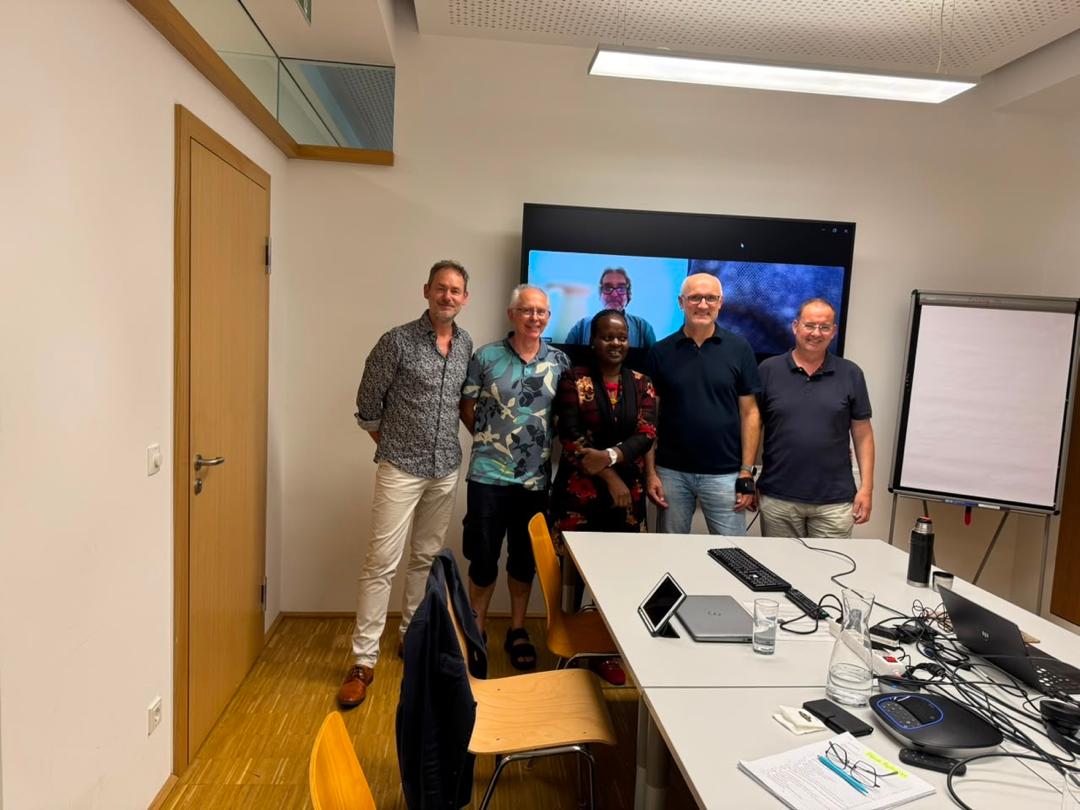
We are pleased to announce that Flavia Byekwaso has successfully defended her PhD thesis, “The Impact of Stormwater Discharge and Wastewater Effluent on Greenhouse Gas Fluxes, Nutrients, Organic Matter, and Microbiological Pollution in a Tropical Wetland.”
Her research was conducted under the supervision of Univ. Prof. Dr. Thomas Hein, Ass.Prof. Dr. Gabriele Weigelhofer, Dr. Rose Kaggwa, Univ. Prof. Dr.Frank Kansime, Priv.-Doz. Dpl.-Ing. Dr. Guenter Langergraber, and contributes important insights into greenhouse gas emissions, carbon storage, and the environmental impacts of wastewater discharge in tropical wetlands.
Congratulations, Dr. Flavia Byekwaso, on this outstanding achievement! We wish her continued success in her academic and professional journey.

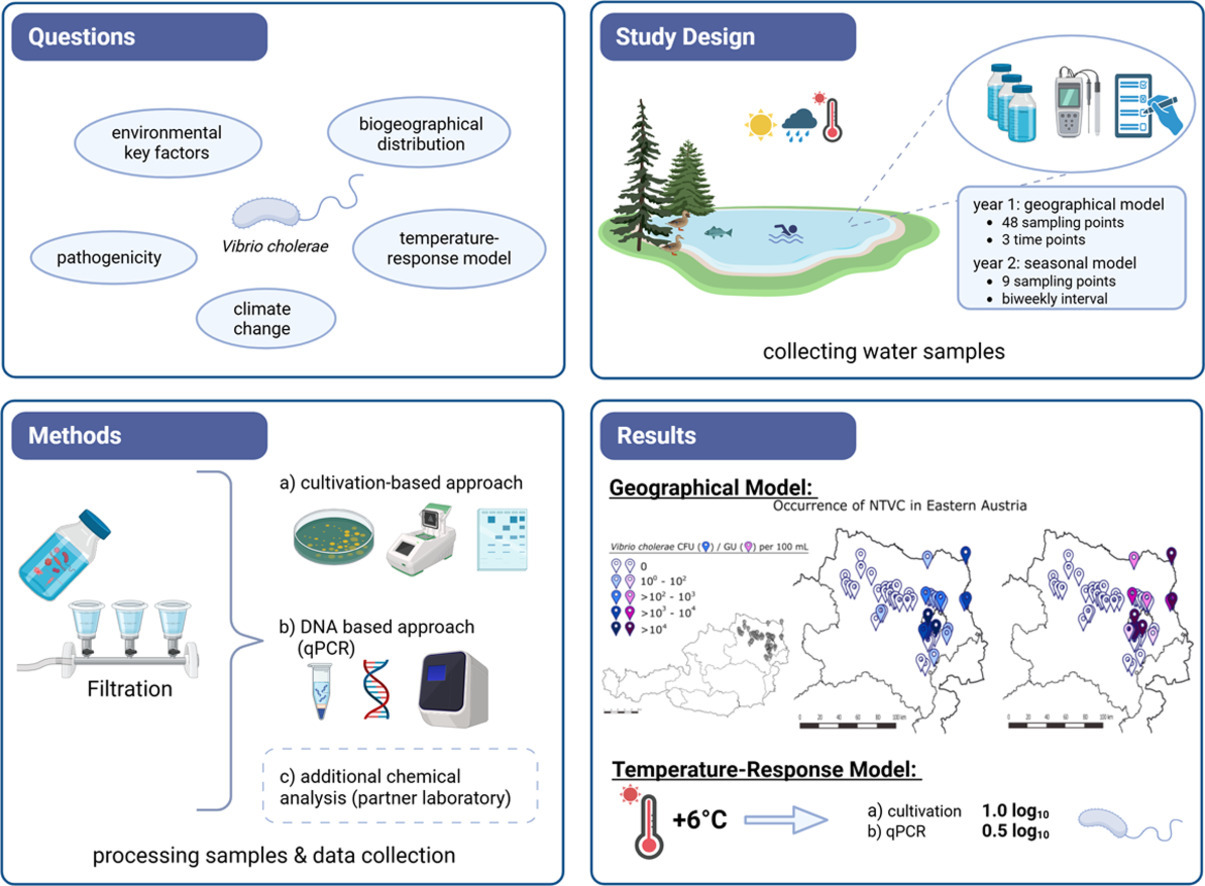
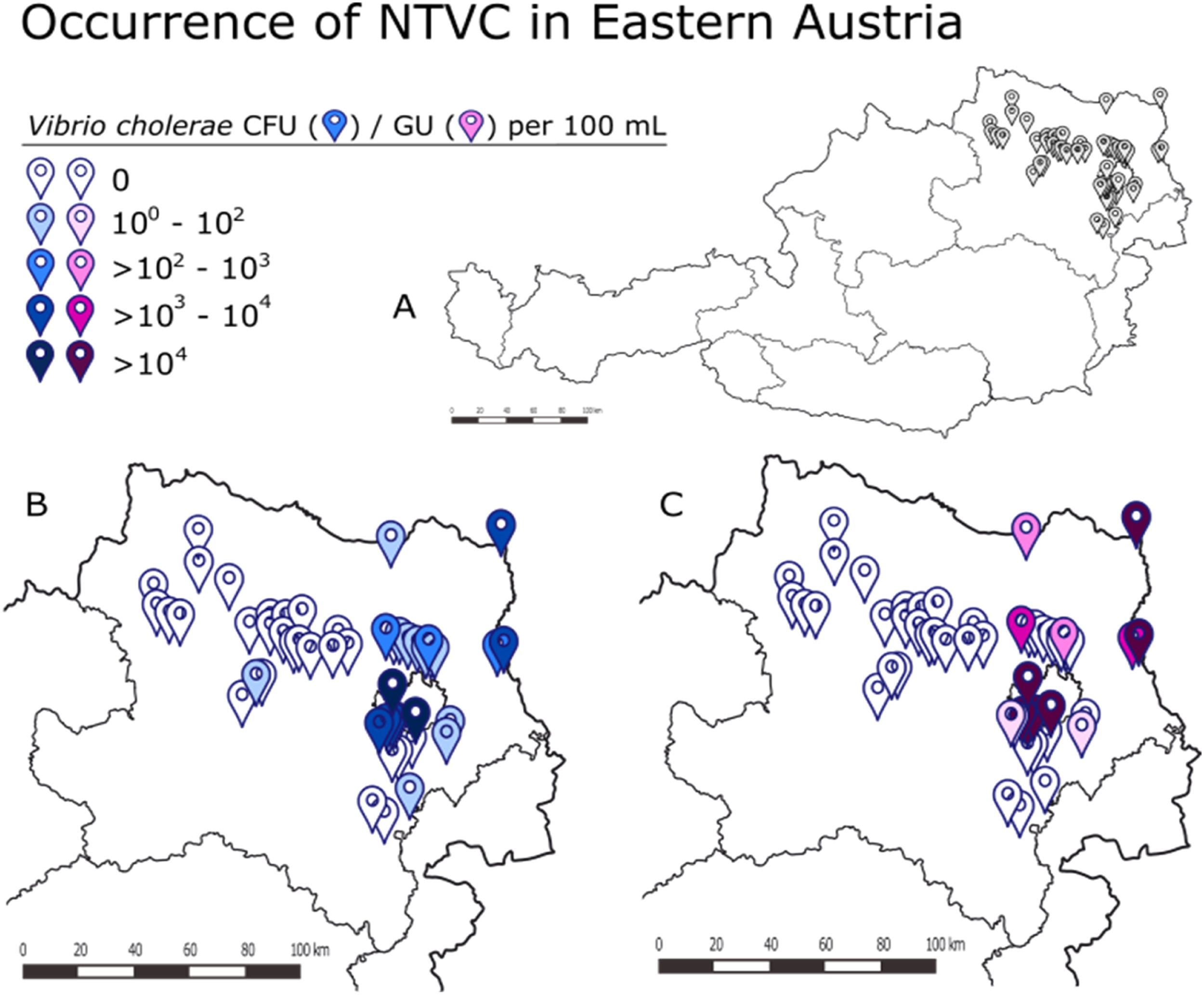
Biogeography and temperature response of Vibrio cholerae nonO1/nonO139 in Eastern Austrian inland bathing waters
A new paper co-authored by Carmen Rehm, Claudia Kolm, Rene Mayer, Thomas Hein, Georg H Reischer, Uwe Graichen, Andreas H Farnleitner, Alexander K.T. Kirschner, has been published in Water Research X.
The paper investigates the occurrence and environmental drivers of non-toxigenic Vibrio cholerae (NTVC) in inland bathing waters in Eastern Austria. The study examined 46 water bodies using culture-based and qPCR methods and found that temperature and conductivity, together with geographical location, were important factors determining NTVC abundance.
The study also shows that rising water temperatures can substantially increase NTVC abundance, suggesting that climate change may increase exposure risks in inland waters. The authors propose practical environmental thresholds for identifying potentially risky bathing sites and emphasize the need for better monitoring linking environmental conditions, NTVC abundance, and human infections.
Read the full article: https://doi.org/10.1016/j.wroa.2026.100593
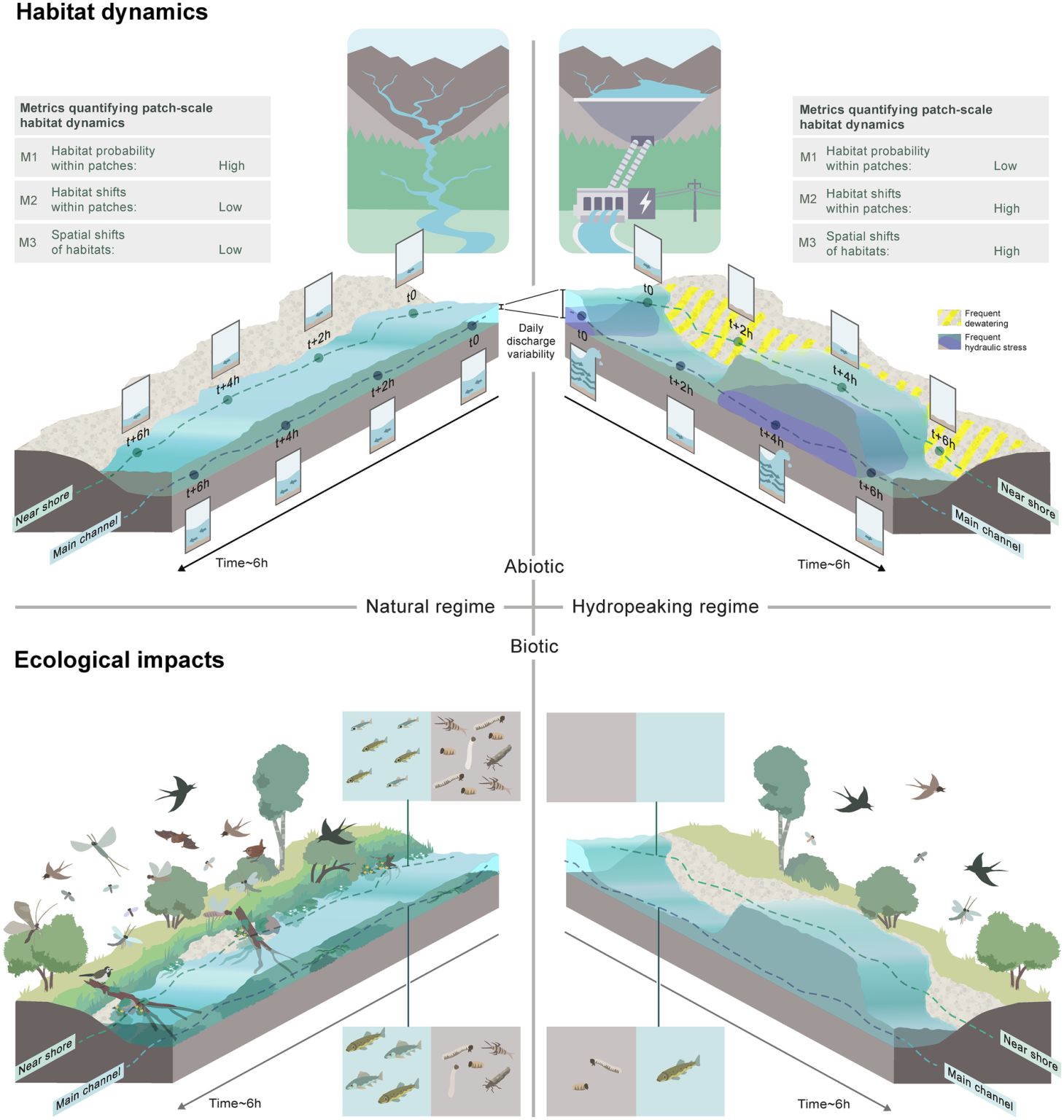
Alpine Rivers Under Pressure: The Hidden Cost of Frequent Hydropeaking
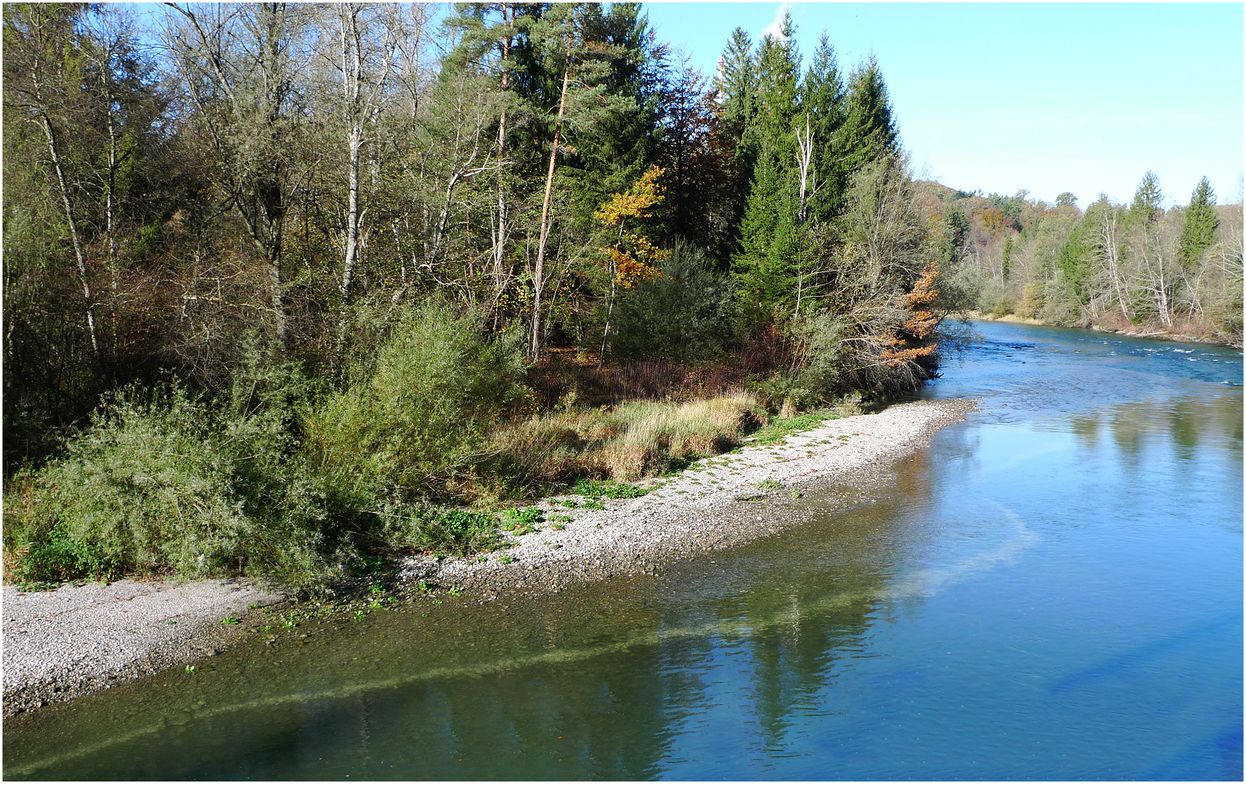
Rivers are meant to rise and fall with the seasons. Increasingly, many Alpine rivers barely get to rest. In our new open-access paper, we discuss the impacts of frequent hydropeaking on habitat dynamics.
The takeaway for management: mitigation can’t stop at capping single-event ramping rates. We need to treat frequency as a key ecological driver, and target the specific patches where cumulative pressure concentrates.
As the grid demands ever more flexible balancing capacity (projected to grow ninefold by 2050), getting this trade-off right matters more each year.
A recent study by Nico Bätz; Daniel S. Hayes; Aude Lecrivain; Franz Greimel; Alexander Auhser; Davide Vanzo; Christine Weber, titled “Restless rivers: impacts of frequent hydropeaking on habitat dynamics”, has been published in AQUA – Water Infrastructure, Ecosystems and Society.
Read the full article: https://doi.org/10.2166/aqua.2026.126
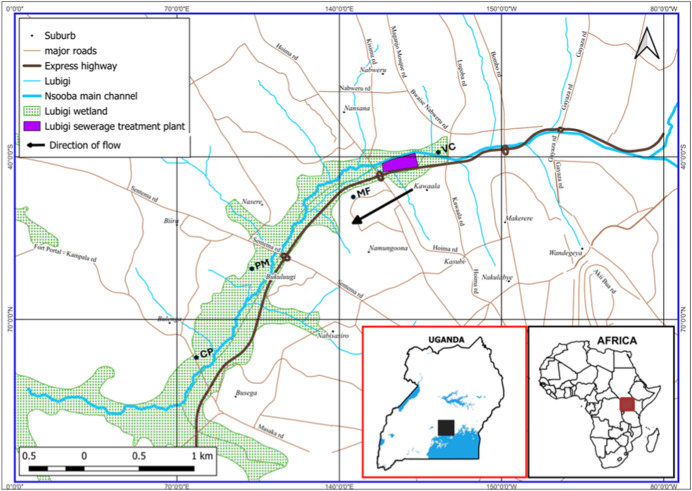
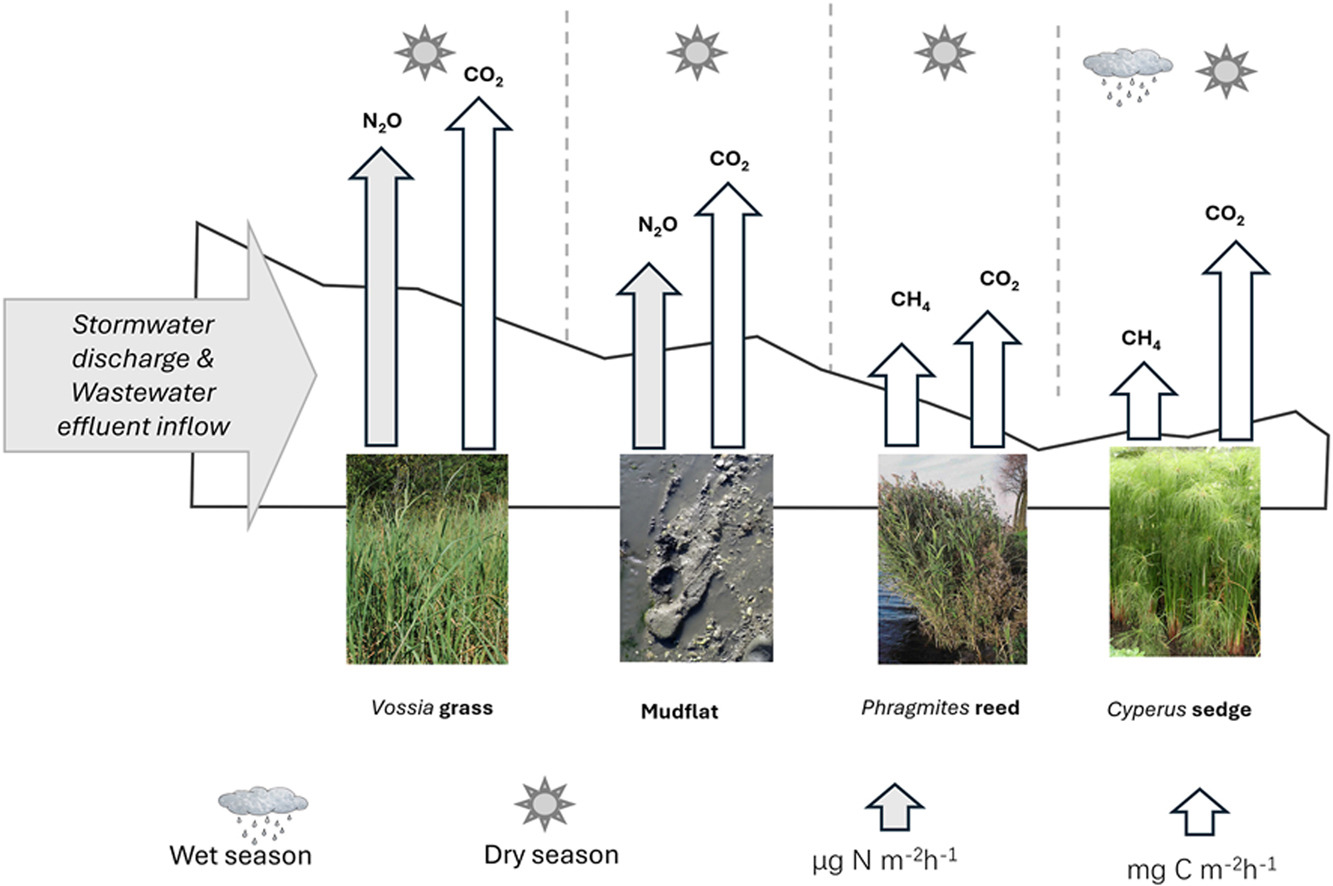
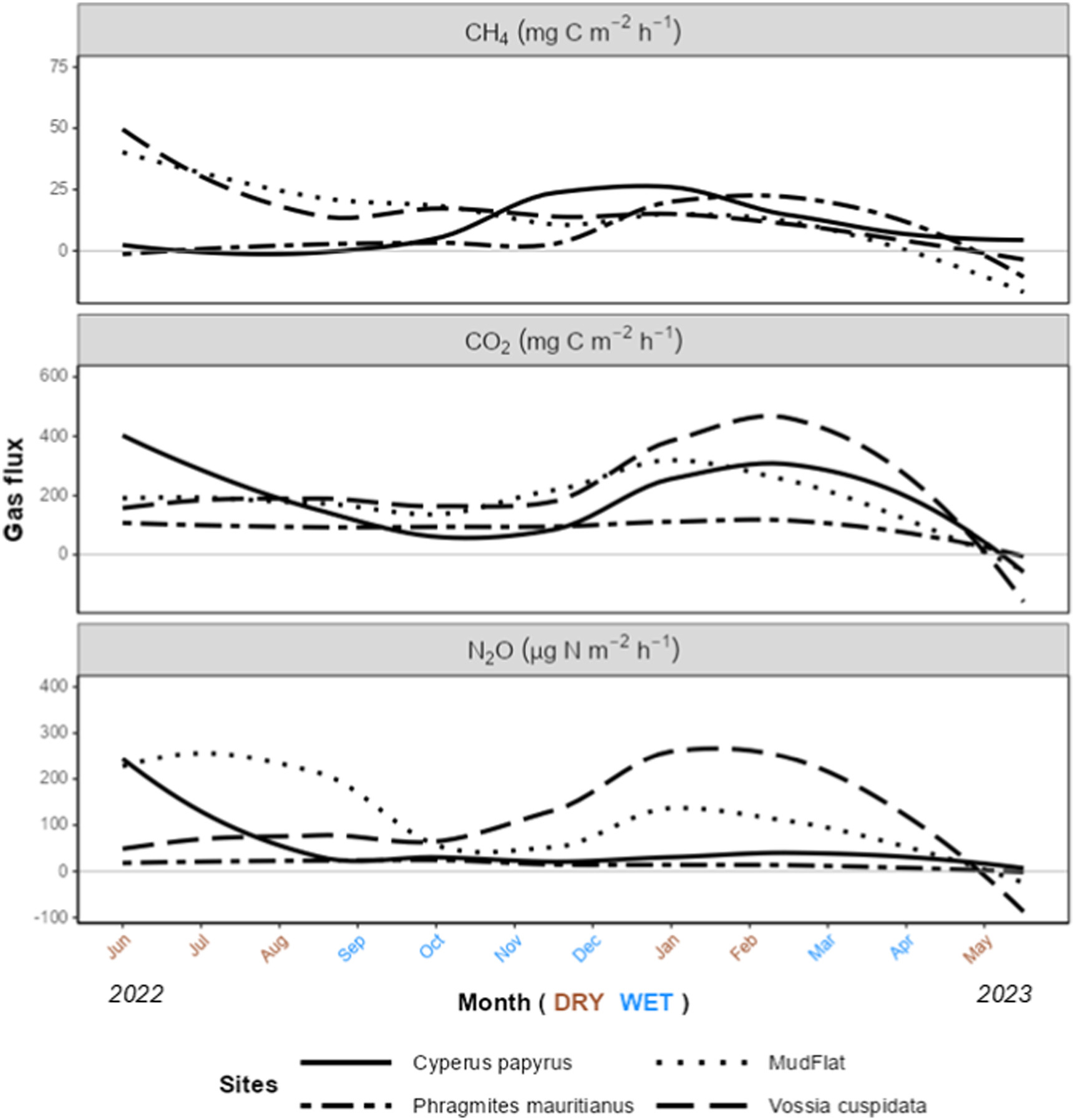
How do tropical wetlands influence climate change?
A new study explores greenhouse gas fluxes across different vegetation types in an African tropical wetland, highlighting the important role these ecosystems play in regulating greenhouse gas emissions and climate processes.
Wetlands are among the most important ecosystems for global carbon cycling, but their role as sources or sinks of greenhouse gases can vary depending on vegetation type and environmental conditions. Based on field measurements along an African tropical wetland, the study investigated how different vegetation communities influence fluxes of carbon dioxide (CO₂), methane (CH₄), and nitrous oxide (N₂O).
The results provide important insights into the variability of greenhouse gas dynamics across wetland vegetation types and highlight the need to consider vegetation composition when assessing the climate role of tropical wetlands and developing effective conservation and management strategies.
A recent study by Flavia Byekwaso, Frank Kansiime, Rose Kaggwa, Amon Aine, Fanuel Ongua, Paul Mutuo, Gabriele Weigelhofer, Guenter Langergraber and Thomas Hein, titled „Greenhouse gas fluxes in different vegetation types along an African tropical wetland„, has been published in Environmental and Sustainability Indicators.
Read the full article:https://doi.org/10.1016/j.indic.2026.101444
Can renewable energy and healthy rivers coexist?
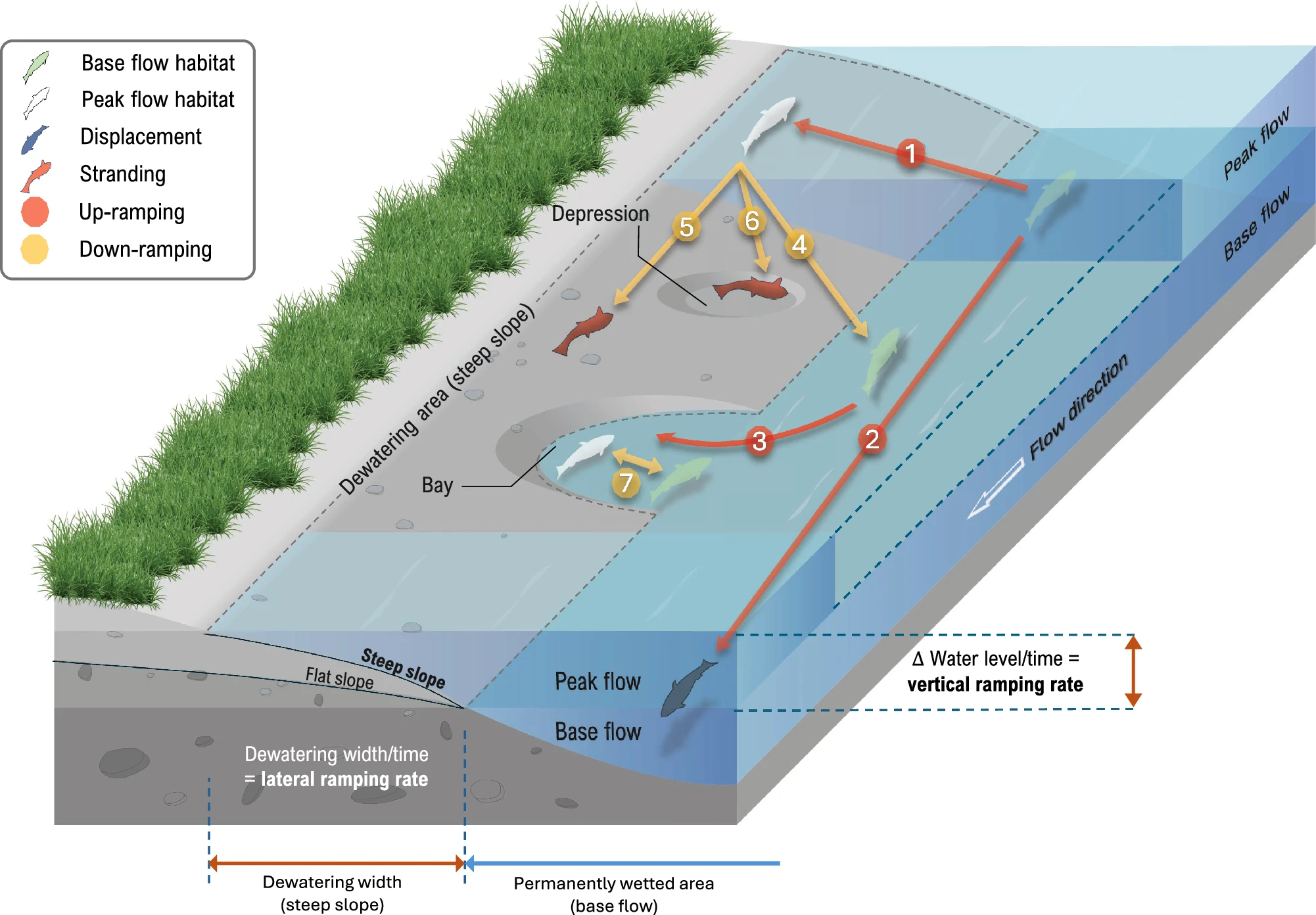
A new study reveals that hydropeaking – the rapid fluctuation of river flow caused by flexible hydropower operation – can have severe consequences for young fish, especially larvae and juveniles.
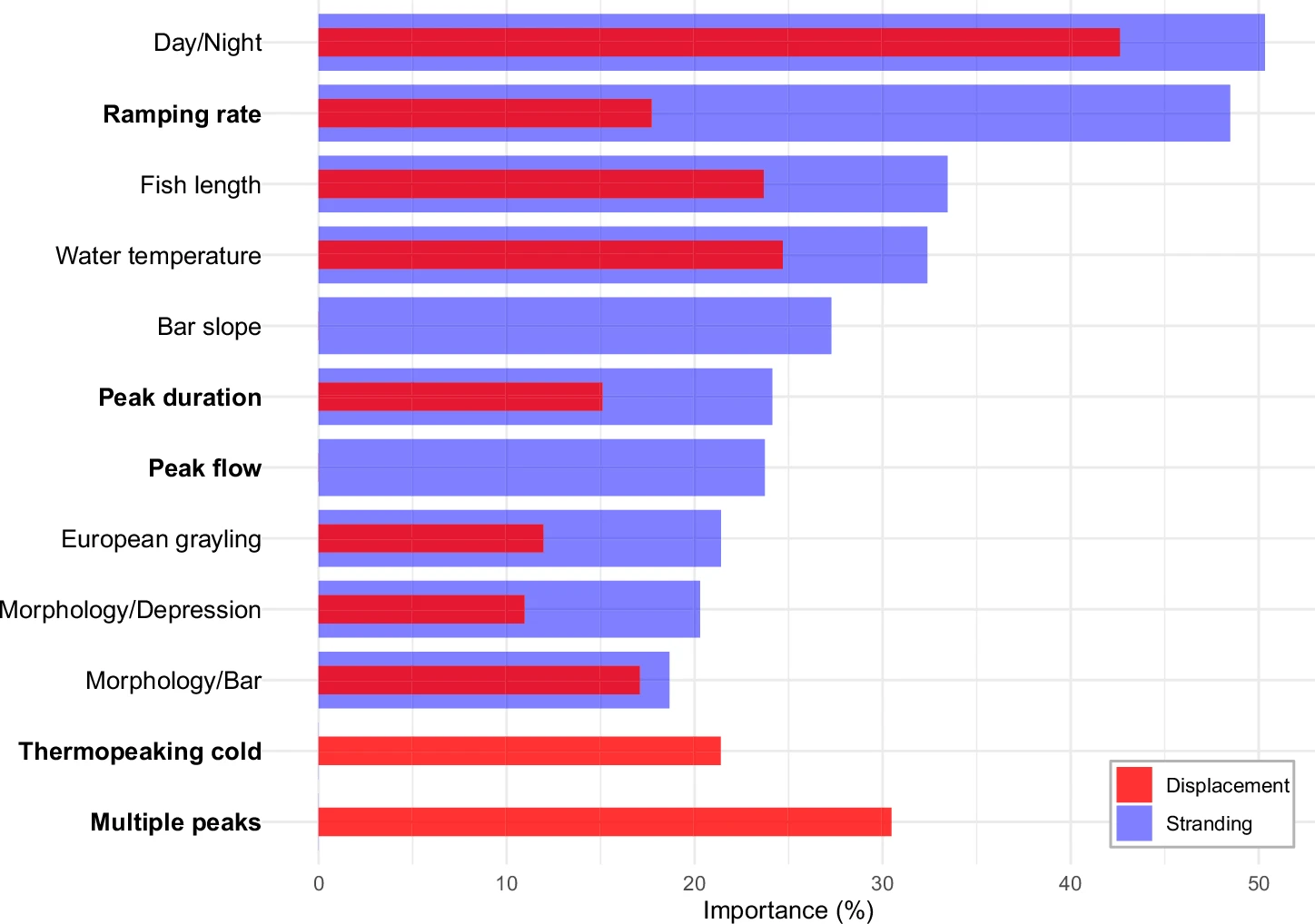
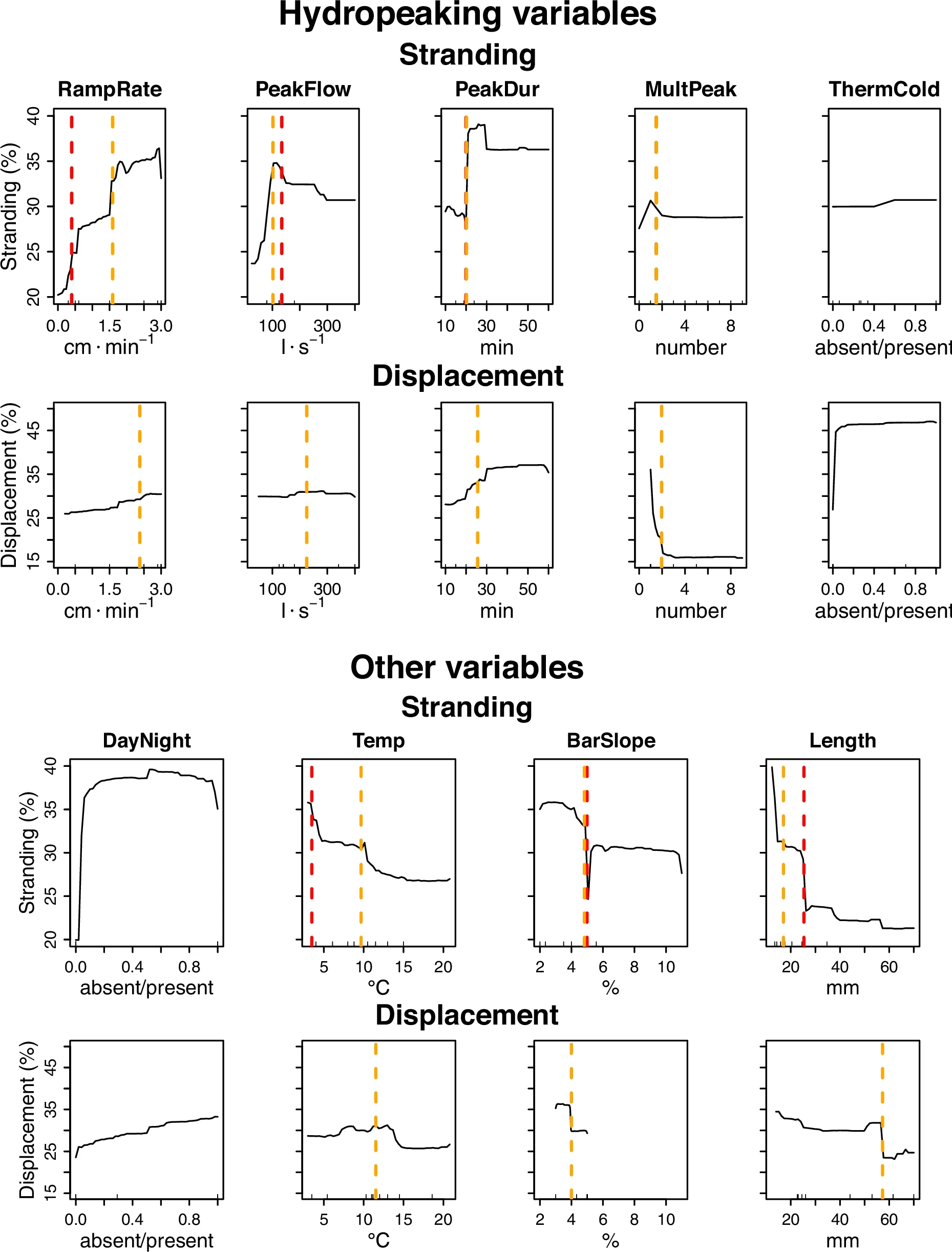
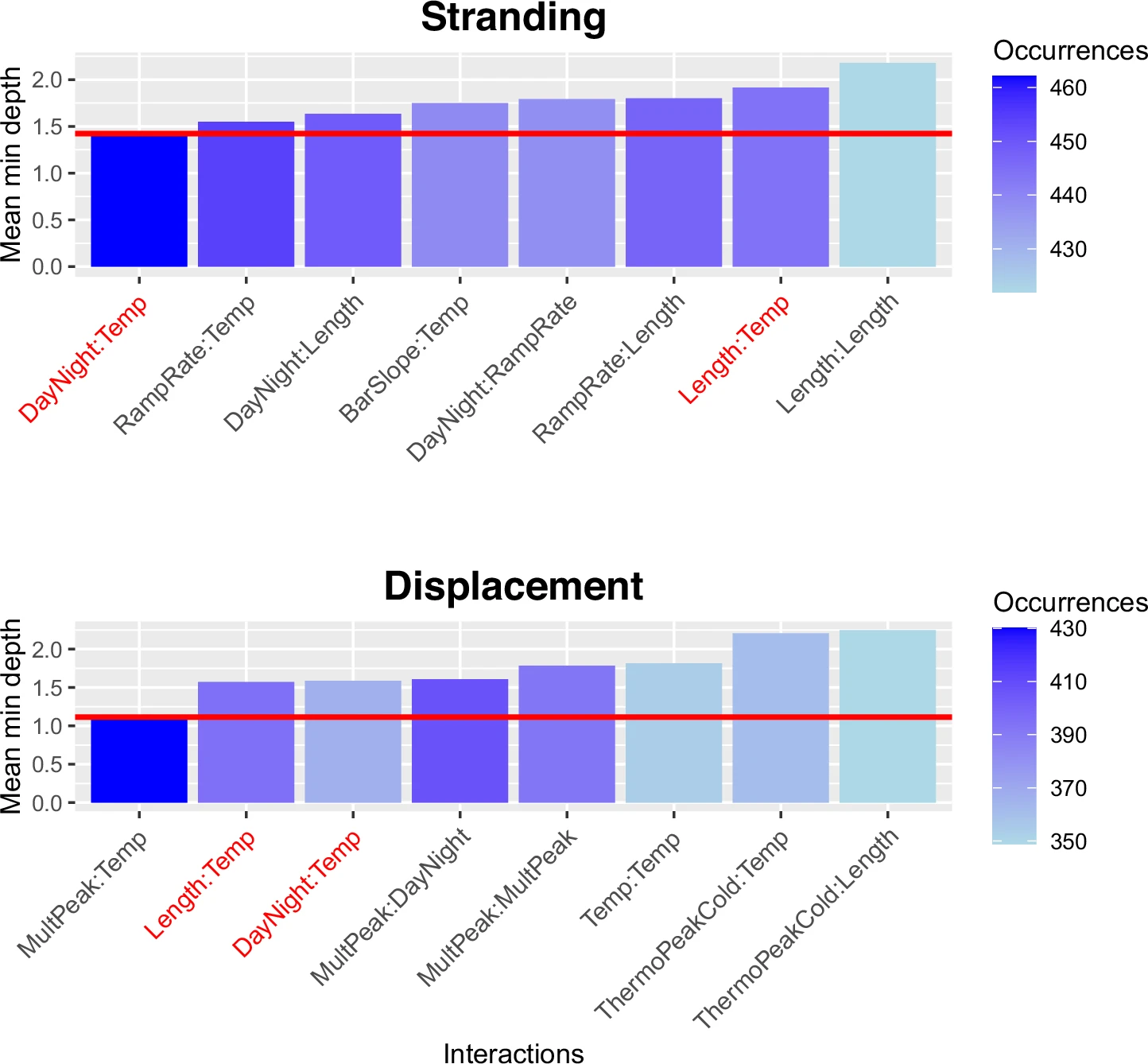
Based on nearly 1,000 near-natural experiments conducted over ten years at the HyTEC research facility, researchers from BOKU University identified the key drivers of fish stranding and downstream displacement:
- Larger water-level fluctuations result in greater impacts on young fish.
- Nighttime hydropeaking poses the highest risk.
- The smallest fish are the most vulnerable, regardless of species.
- Cold-water releases („thermopeaking“) further increase the negative effects.
The good news is that these findings point to practical solutions. The study provides scientifically based thresholds and recommendations that can help reduce ecological impacts through improved hydropower operation and river habitat restoration. In Austria alone, more than 800 km of rivers are affected by hydropeaking, making these results highly relevant for balancing renewable energy production with biodiversity conservation.
We are pleased to share that our group member Daniel S. Hayes, together with Stefan Schmutz, Simon Führer, Franz Greimel, Bernhard Zeiringer, Mathias Jungwirth, and Stefan Auer, has published these findings in Communications Earth & Environment (Nature Portfolio) in the article „Hydropeaking strands and displaces larval and juvenile fish across species.“
Watch our short video explaining the issue and highlighting the study’s key findings:
https://www.youtube.com/watch?v=APYwB_boUD0
To read the full article online, please click here: https://doi.org/10.1038/s43247-026-03580-2
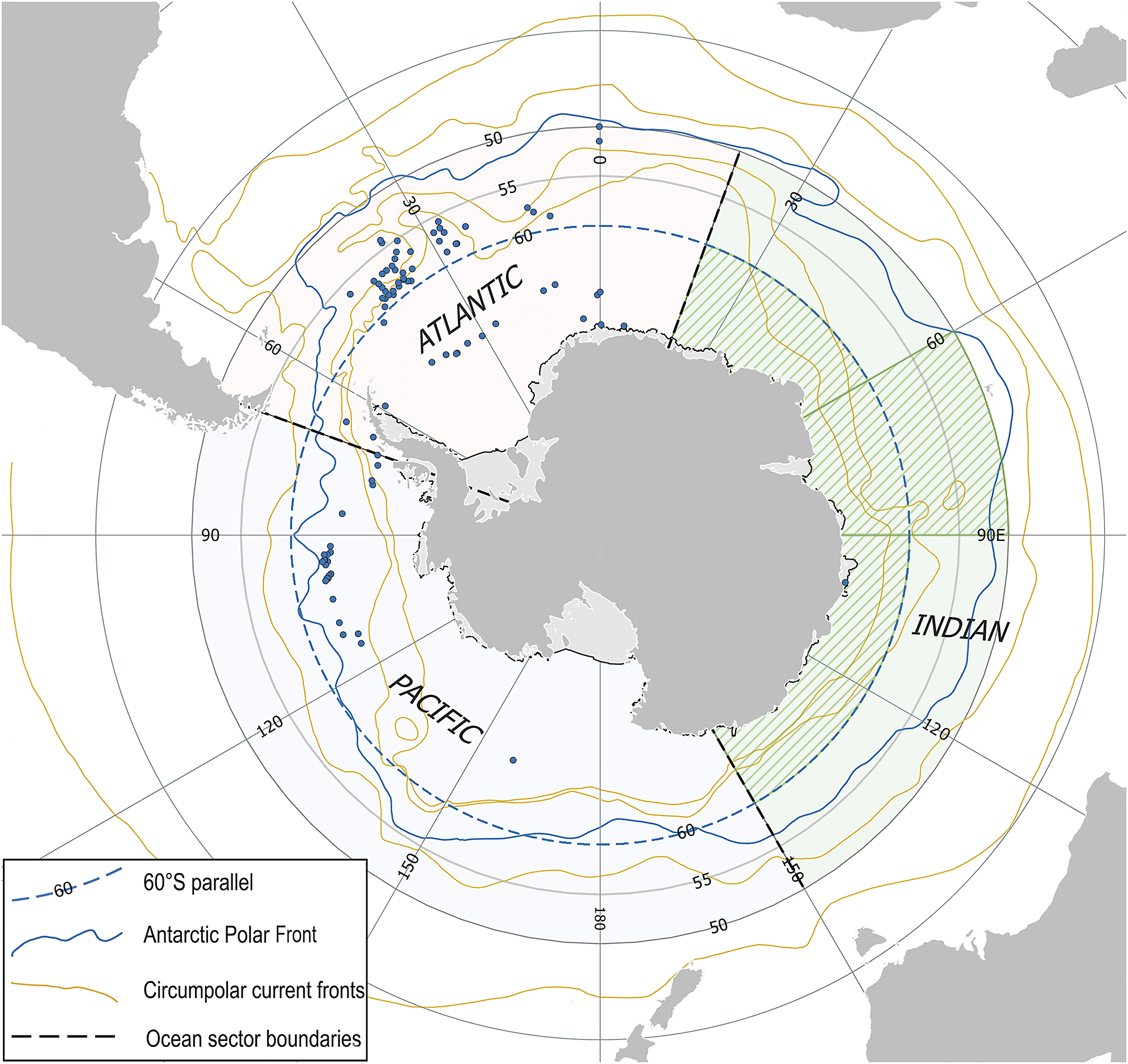
New Scientific Paper Published: Antarctic phytoplankton and krill diet reveal ecosystem changes during a poorly known era of Southern Ocean transformation
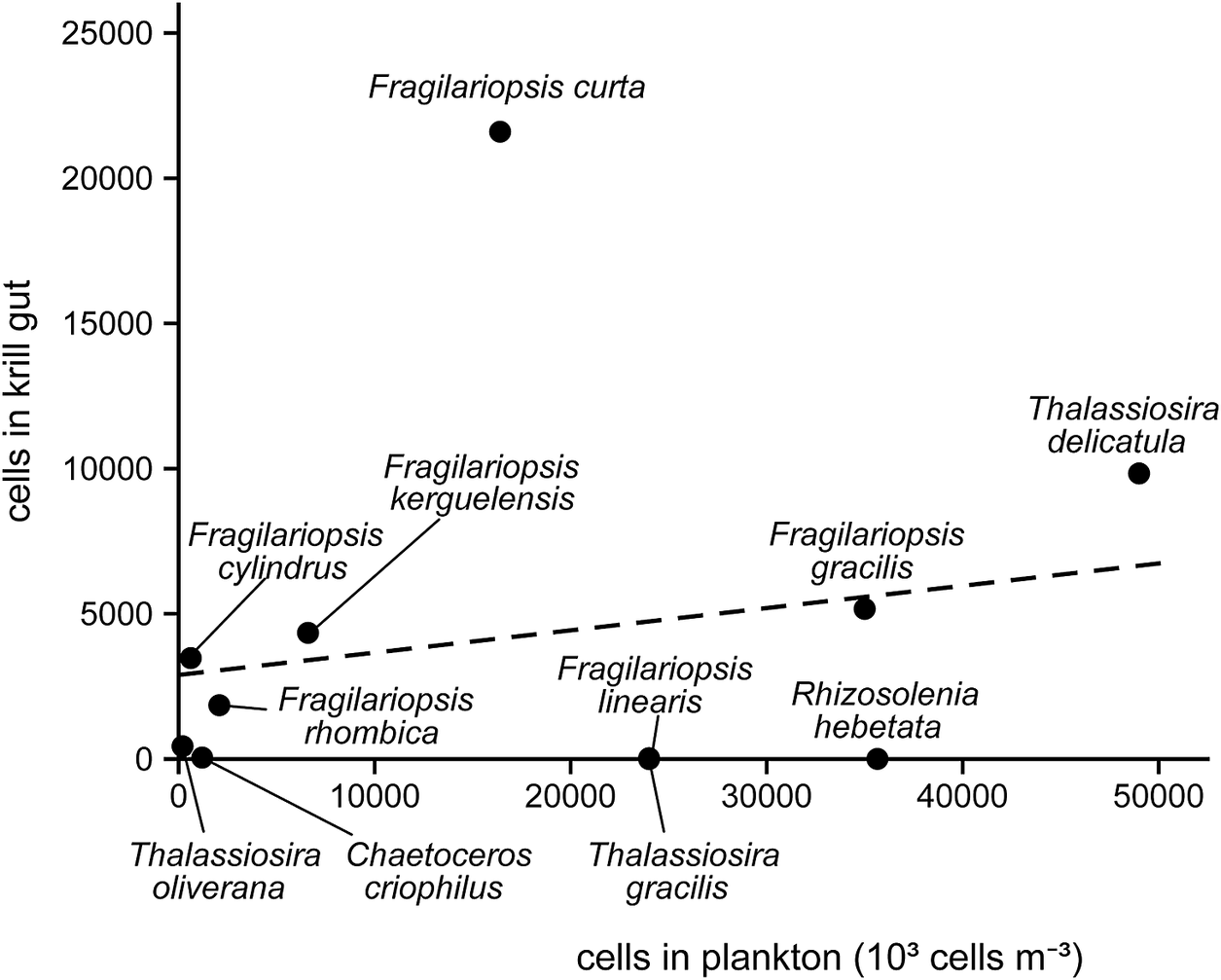
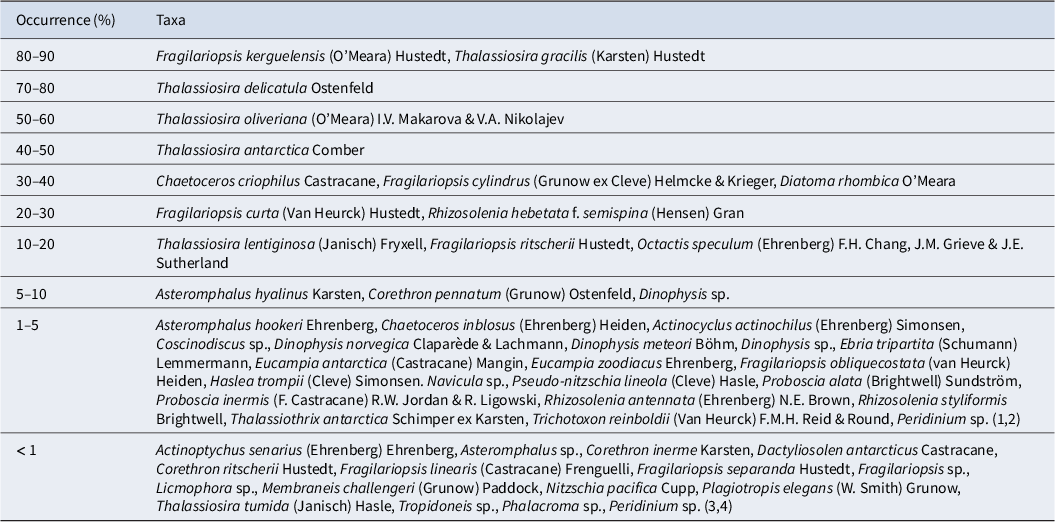
A recent study by Alexandr I. Ivanov, Oleksandr Goncharov, Olena Bilous, Sergii Khutornoi and Yuriy Yurchenko, titled “Antarctic phytoplankton and krill diet, 1955–1963: observations from a poorly known era of Southern Ocean change”, has been published in Antarctic Science.
The study provides valuable insights into historical changes in the Southern Ocean by analysing phytoplankton communities and the diet of Antarctic krill during the period 1955–1963. This early dataset represents a rare window into ecosystem conditions before major environmental changes associated with climate warming became evident.
The authors investigate links between primary producers and higher trophic levels, highlighting the importance of historical observations for understanding long-term shifts in Antarctic food-web dynamics. The findings contribute to improved knowledge of how changes in phytoplankton availability and composition may influence krill populations, which play a central role in the Southern Ocean ecosystem.
To read the full article online, please click here: https://doi.org/10.1017/S0954102026100777
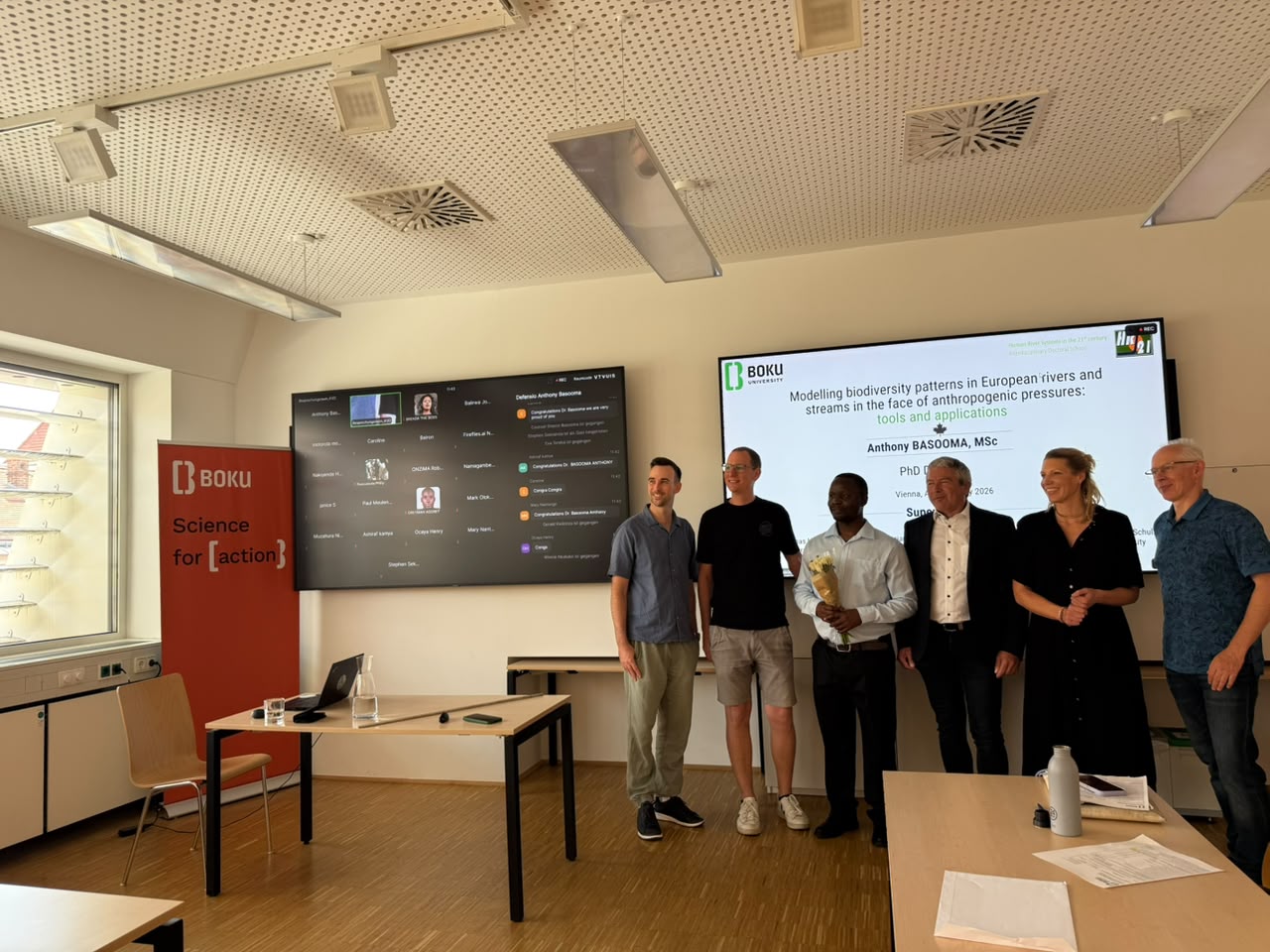
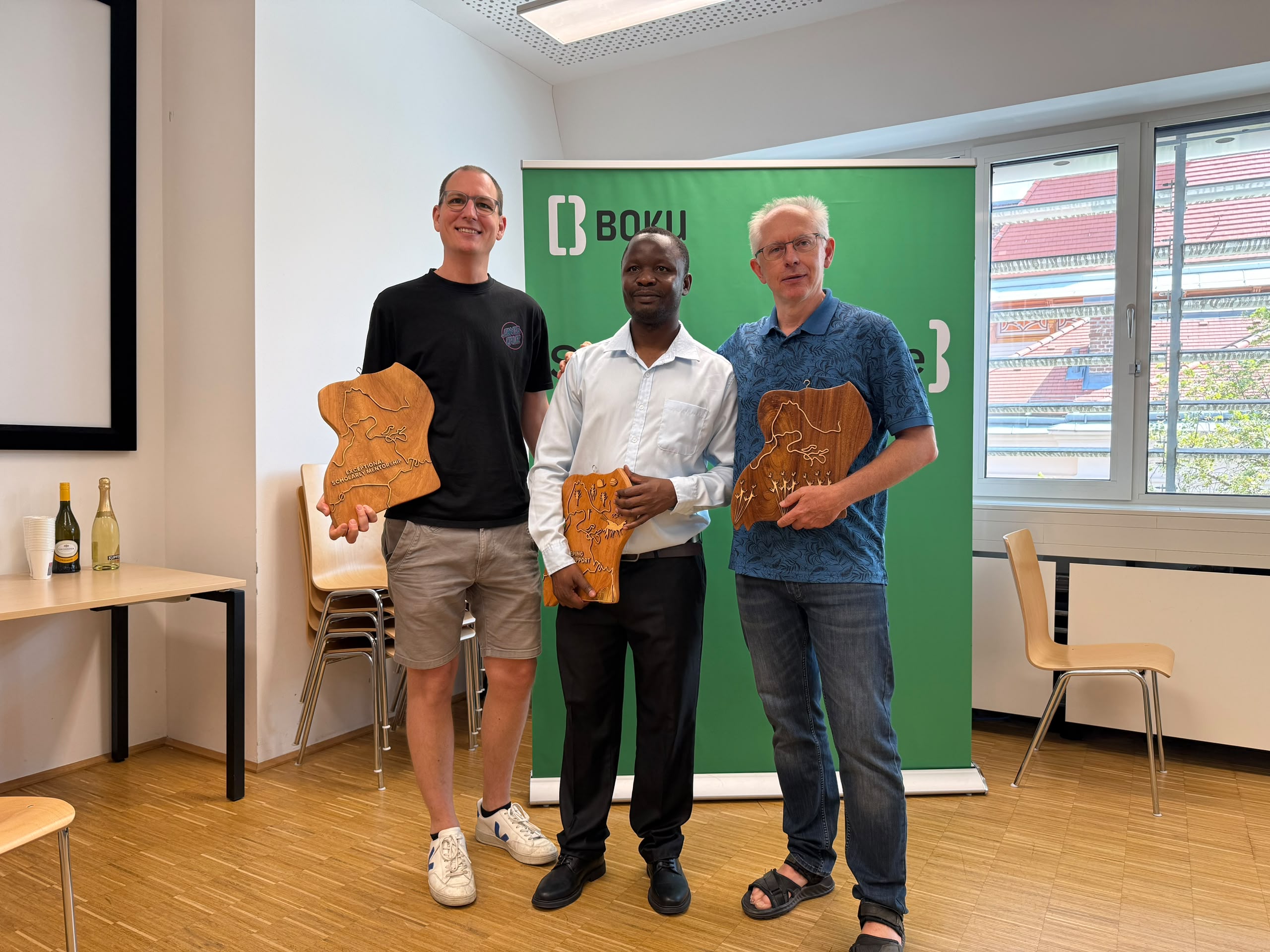
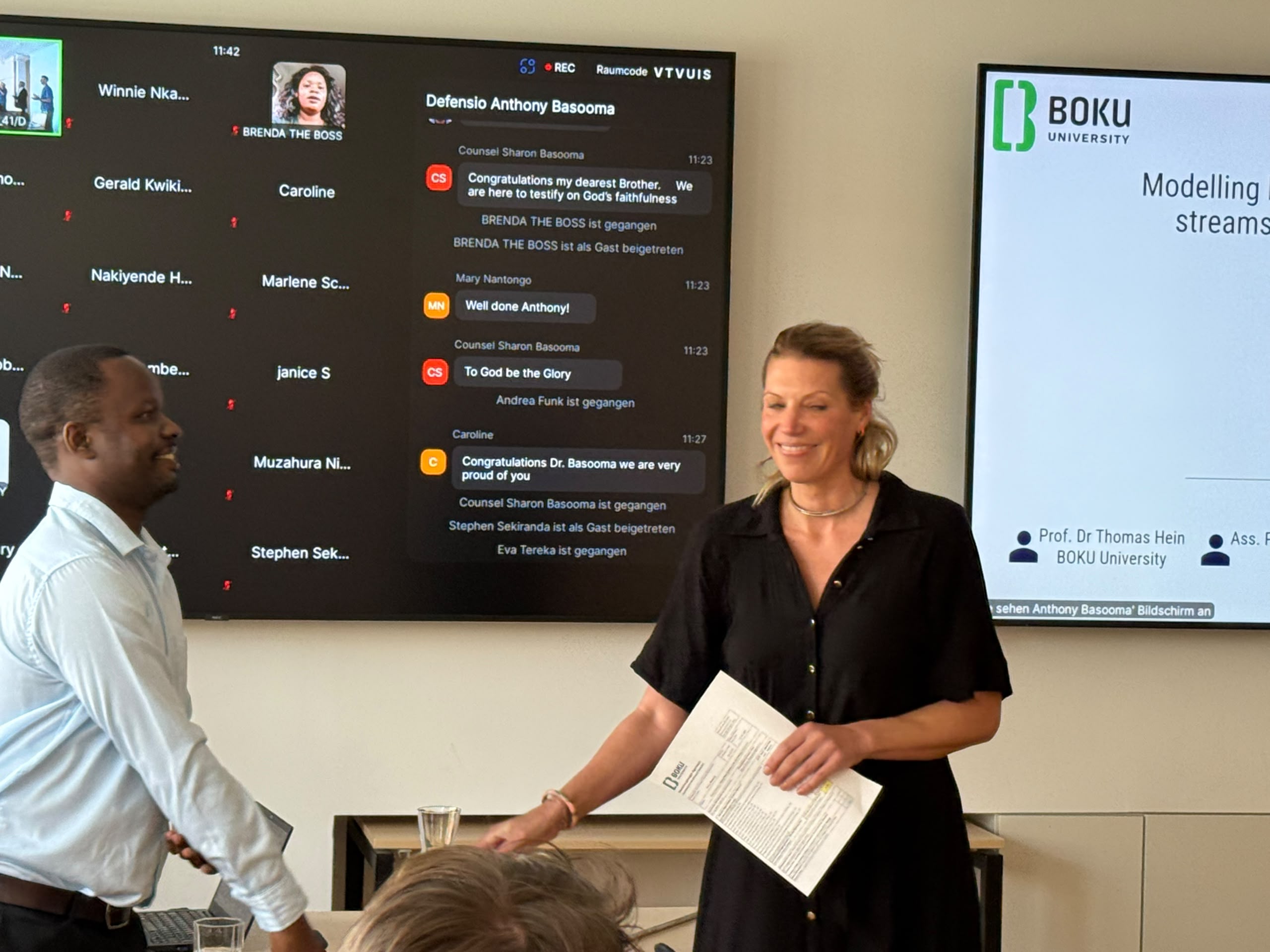
Congratulations, Anthony!
Please join us in congratulating Anthony BASOOMA on becoming the newest Doctor in our team! He successfully defended his PhD thesis, „Modeling Biodiversity Patterns in Relation to Network Connectivity in European Streams, Rivers, and Deltas,“ under the supervision of Thomas Hein. Congratulations on this outstanding achievement, and we wish you every success in your future career!
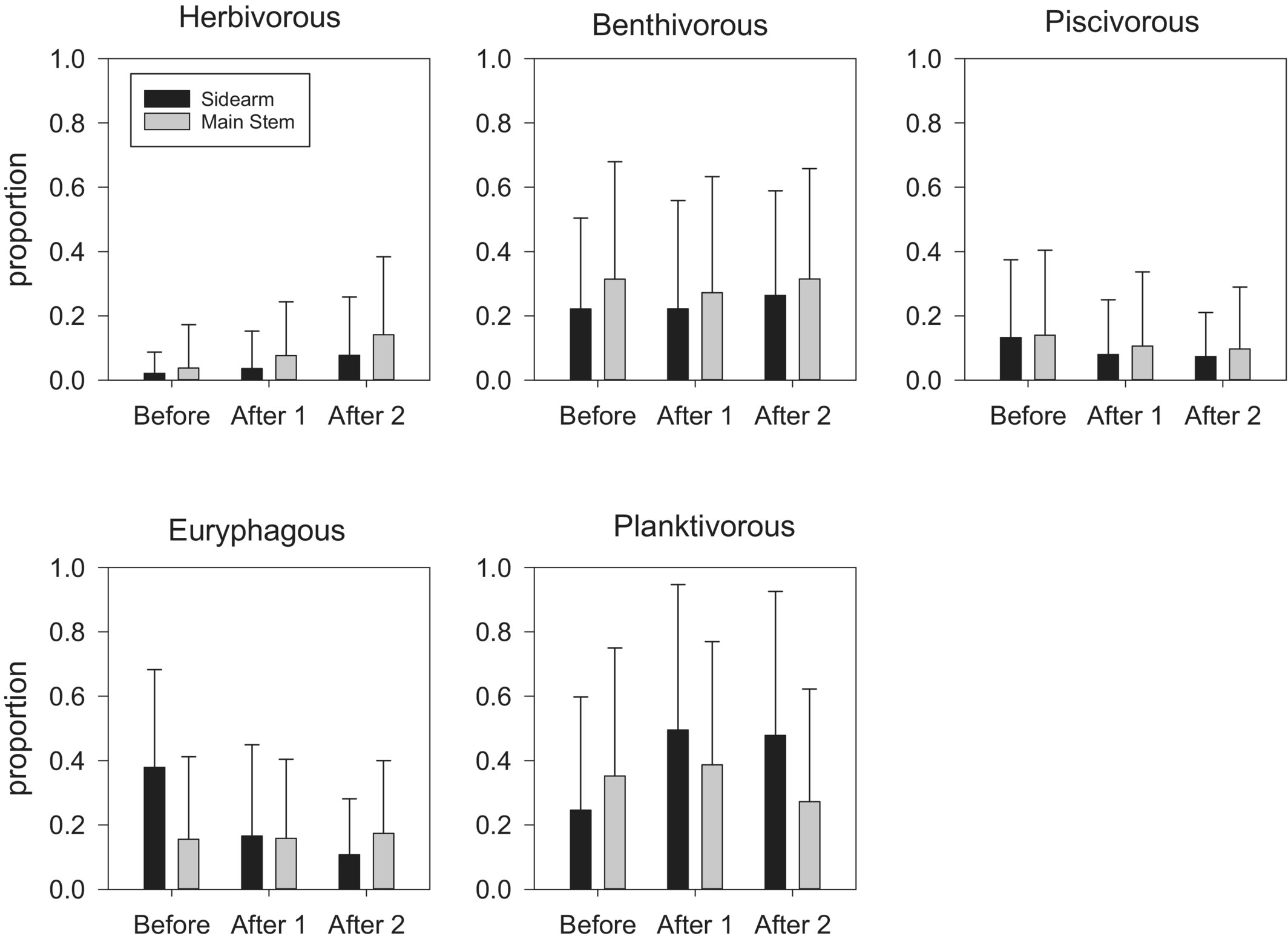
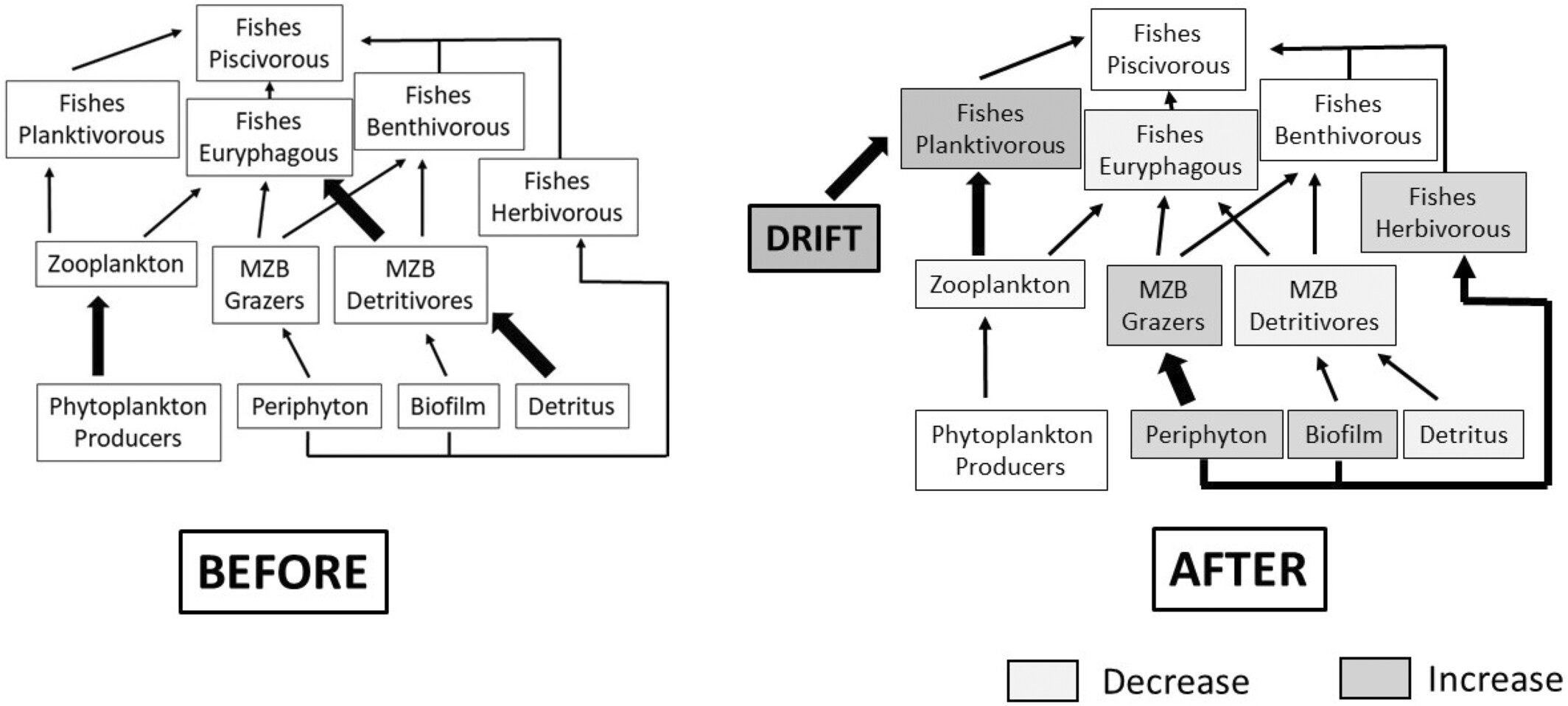
New Scientific Paper Published: Changes in food-web pathways and ecosystem functions after sidearm re-connection in a large river (Danube, Austria)
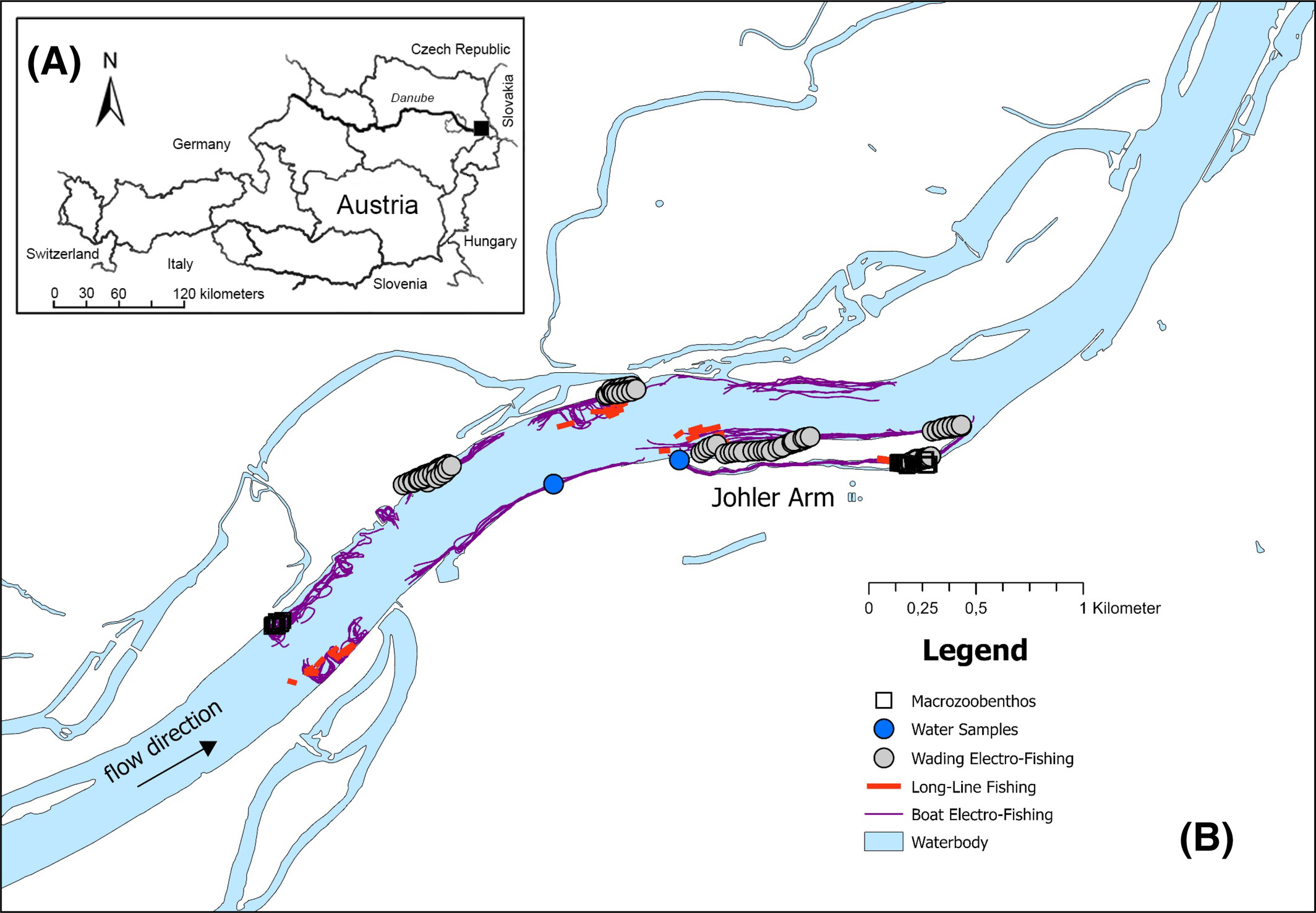
A recent study authored by Hubert Keckeis, Andrea Funk, Elisabeth Bondar Kunze, Marcel Liedermann, Michael Tritthart, David Ramler, Helmut Habersack, Thomas Hein has been published in Restoration Ecology.
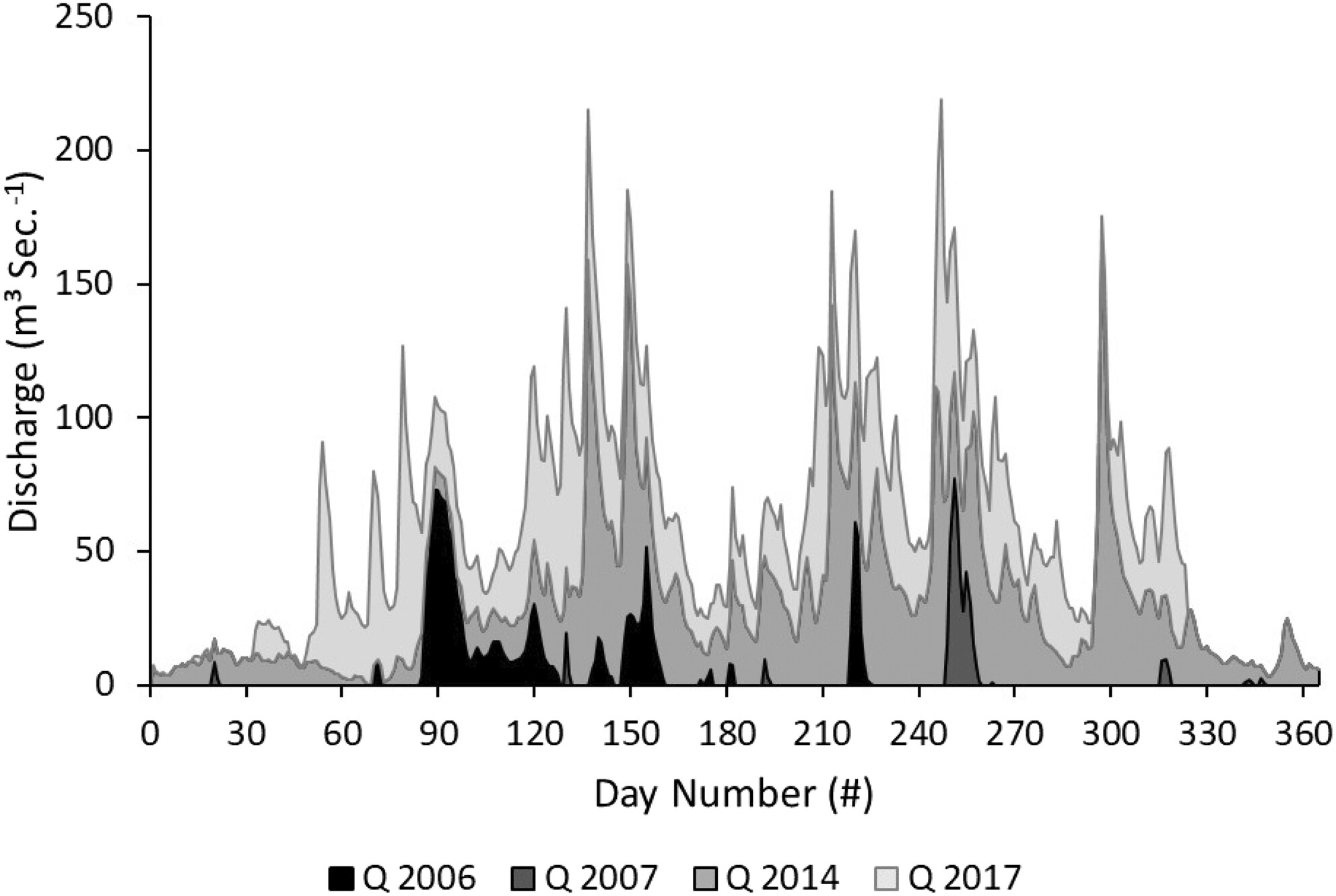
The paper examines the ecological effects of reconnecting a Danube sidearm to the main river channel in Austria. The restoration increased hydrological connectivity, transforming the sidearm from predominantly lentic to permanently lotic conditions. These changes altered suspended solids composition, reduced chlorophyll-a concentrations and zooplankton abundance, and reshaped the structure of the aquatic food web. The study demonstrates that increased flow-through shifted the main energy source from detritus to periphyton and biofilm, affecting macrozoobenthic communities and fish assemblages across multiple trophic levels.
To read the full article online, please click here: https://doi.org/10.1111/rec.70467
Assessing the conservation challenges for the European eel through the Delphi technique
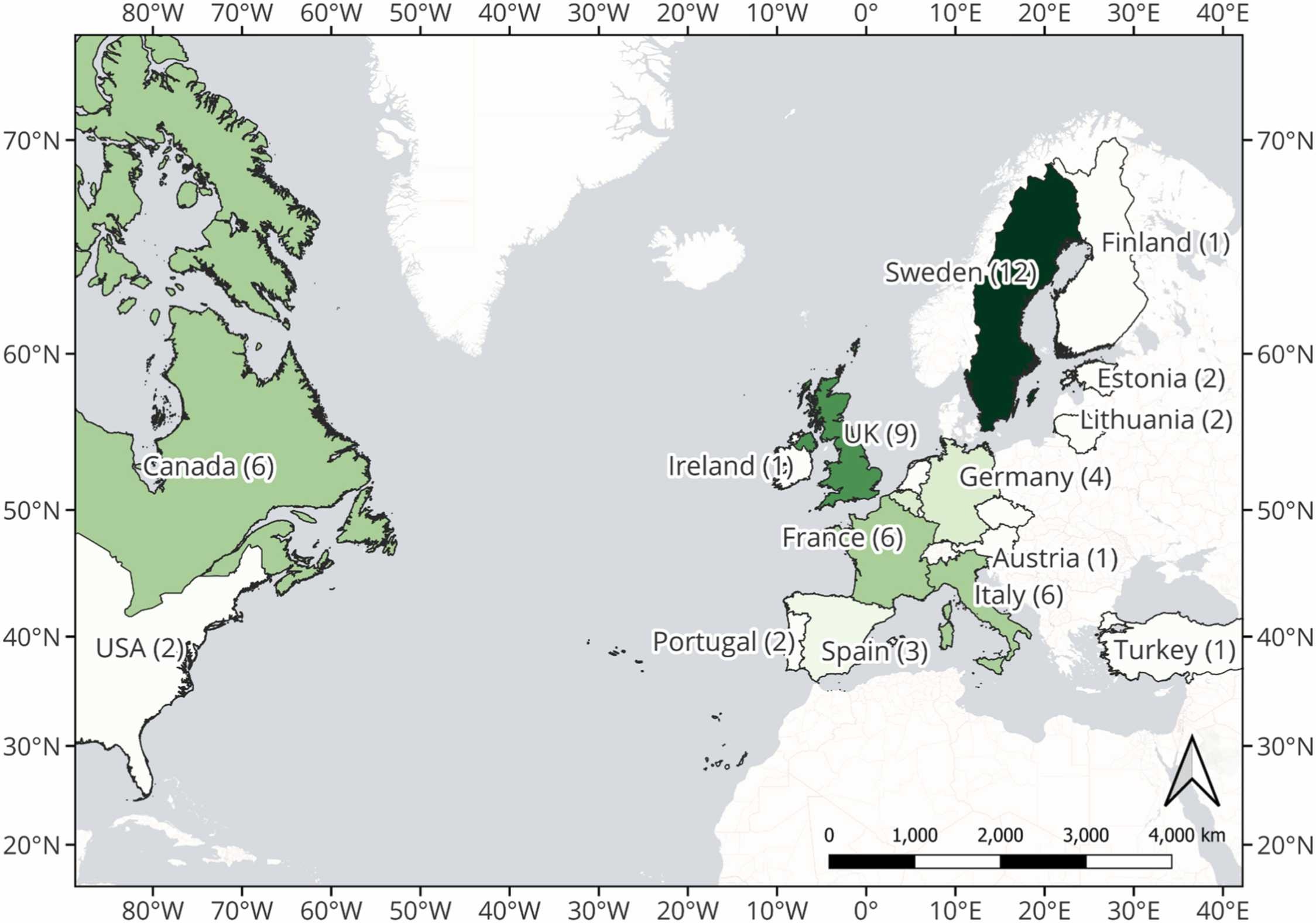
A recent study authored by a strong international team of river scientists, including BIGER group member Paul Meulenbroek, has been published in Global Ecology and Conservation.
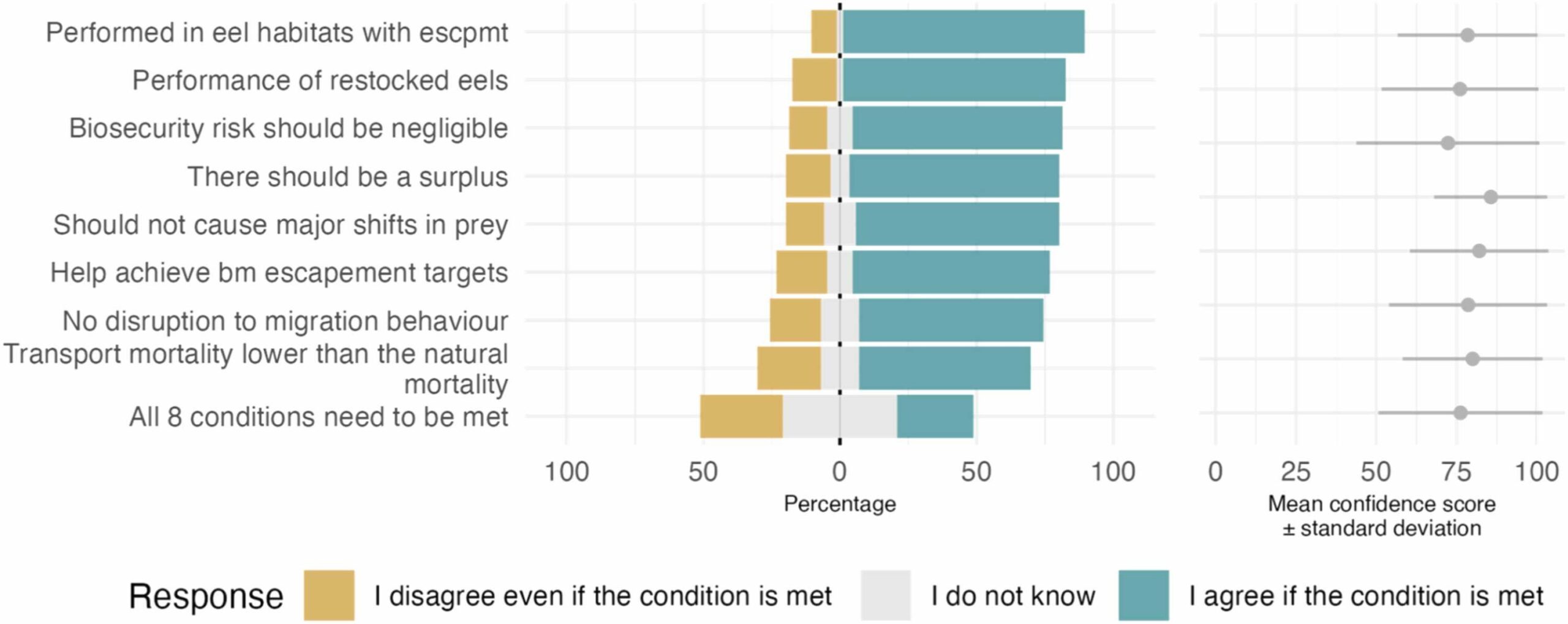
The study examines priorities for the conservation and recovery of the critically endangered European eel (Anguilla anguilla) using an expert-based Delphi survey. The results identify the establishment of a pan-European eel recruitment monitoring programme, the restoration of habitat connectivity through the removal of migration barriers, and improvements in habitat quality as the most important conservation measures.
The study further highlights the need for a more stringent silver eel escapement target and stronger enforcement of existing management regulations. While eel restocking remains controversial among experts, the findings suggest that it may be acceptable under specific conditions and within a clearly defined management framework.
The paper provides a consensus-based roadmap for European eel conservation and offers practical guidance for policymakers and managers seeking to improve the long-term recovery prospects of this critically endangered species.
To read the full article online, please click here: https://doi.org/10.1016/j.gecco.2026.e04257
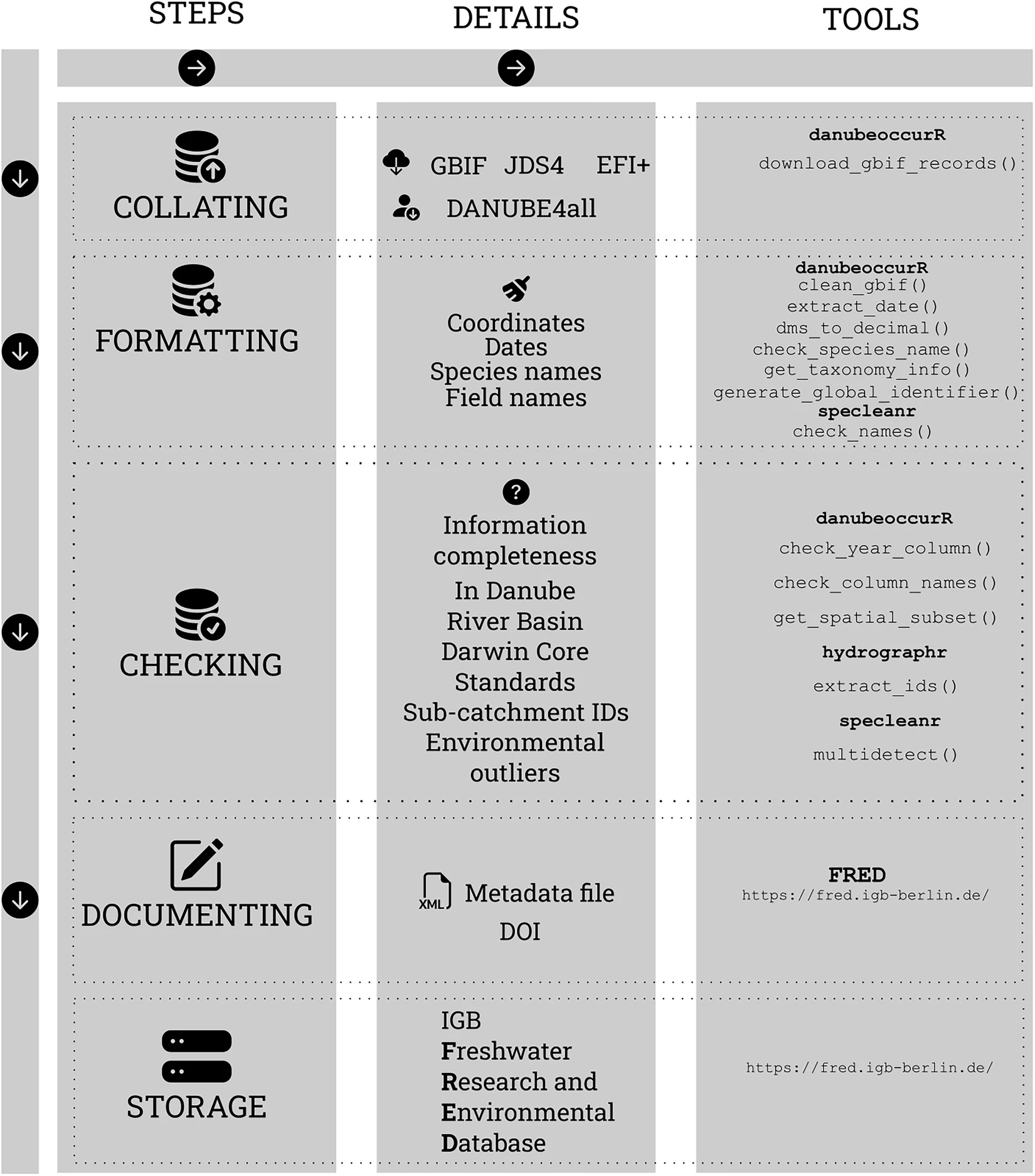
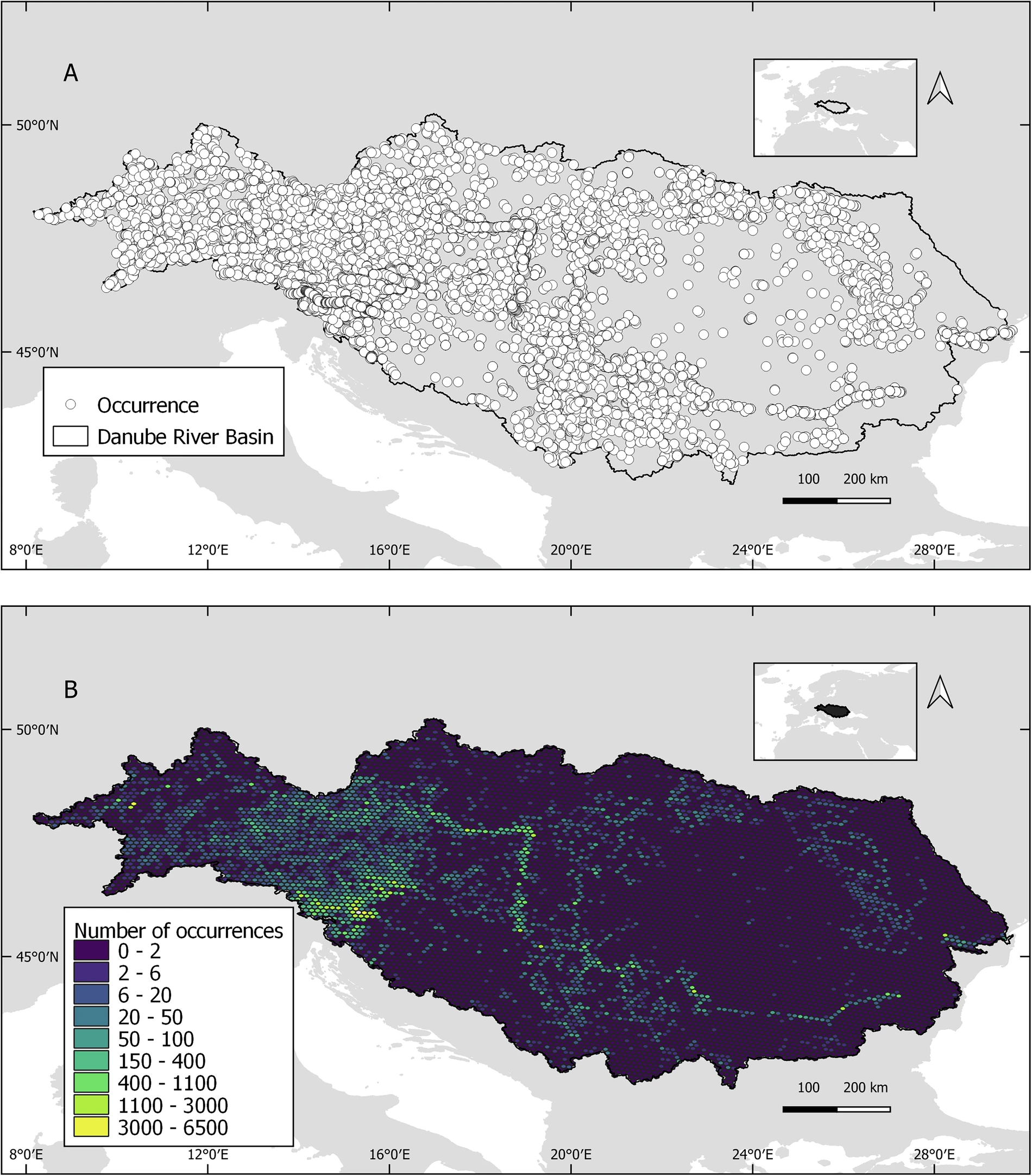
New Scientific Paper Published: The Danube Fish Database: documenting species distributions across a major European river basin
A recent study authored by a strong international team of river scientists, including BIGER group members Anthony Basooma, Thomas Hein, Paul Meulenbroek, and Martin Tschikof, has been published in Scientific Data (a Nature Portfolio journal).
The paper presents the Danube Fish Database, a comprehensive and standardized compilation of fish occurrence records across the Danube River Basin. It integrates historical and contemporary data from multiple sources spanning 19 countries, providing more than 130,000 records covering over 160 years of observations.
The study establishes an open-access resource to support biodiversity assessments, conservation planning, invasive species monitoring, and freshwater management at a basin-wide scale. By making these data openly available, the database provides an important foundation for future ecological research and evidence-based conservation efforts throughout the Danube catchment.
To read the full article online, please click here: https://doi.org/10.1038/s41597-026-07249-5
ASLO-SIL 2026 Joint Meeting · 12-16 May 2026 · Montreal, Quebec, Canada
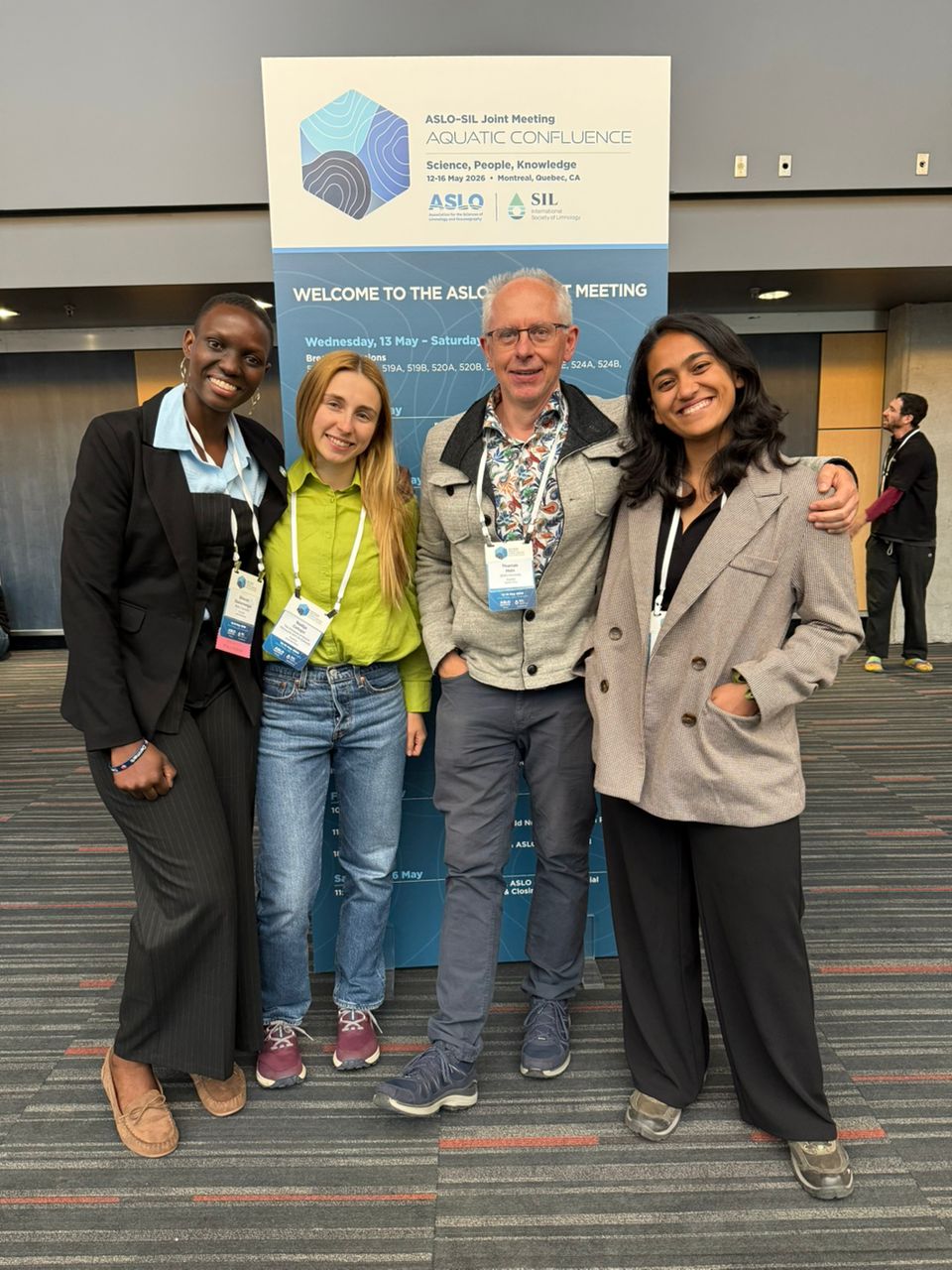
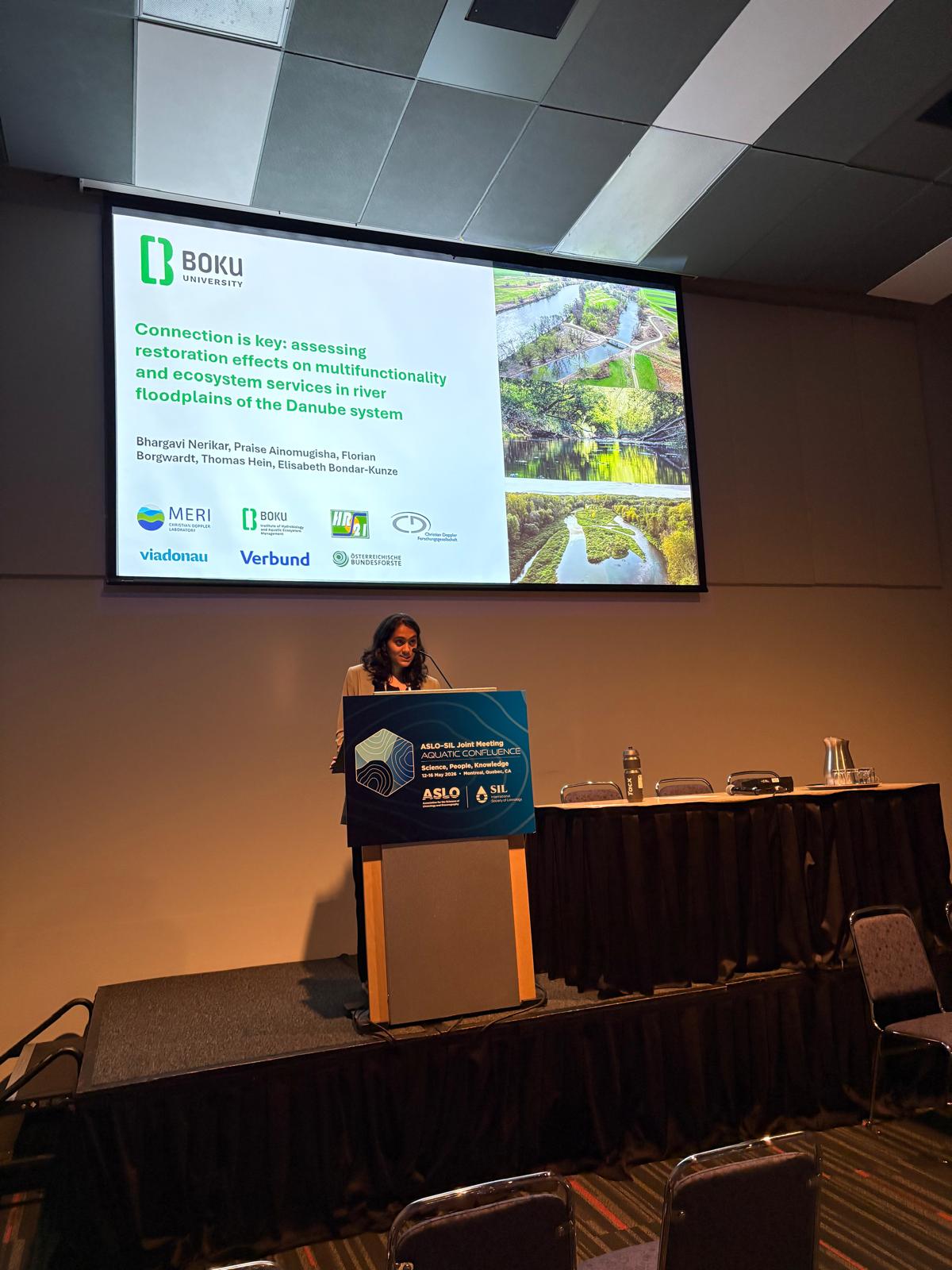
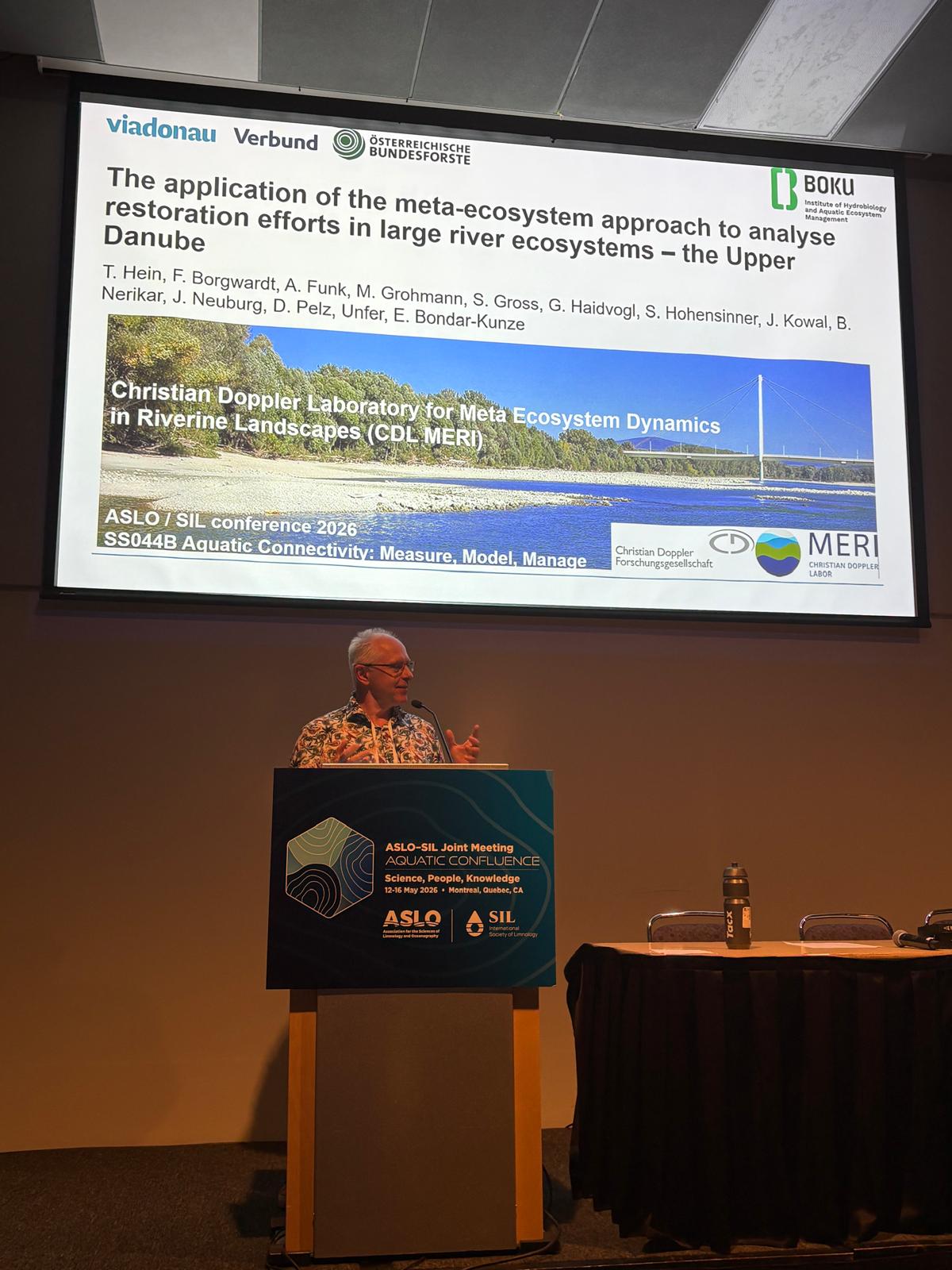
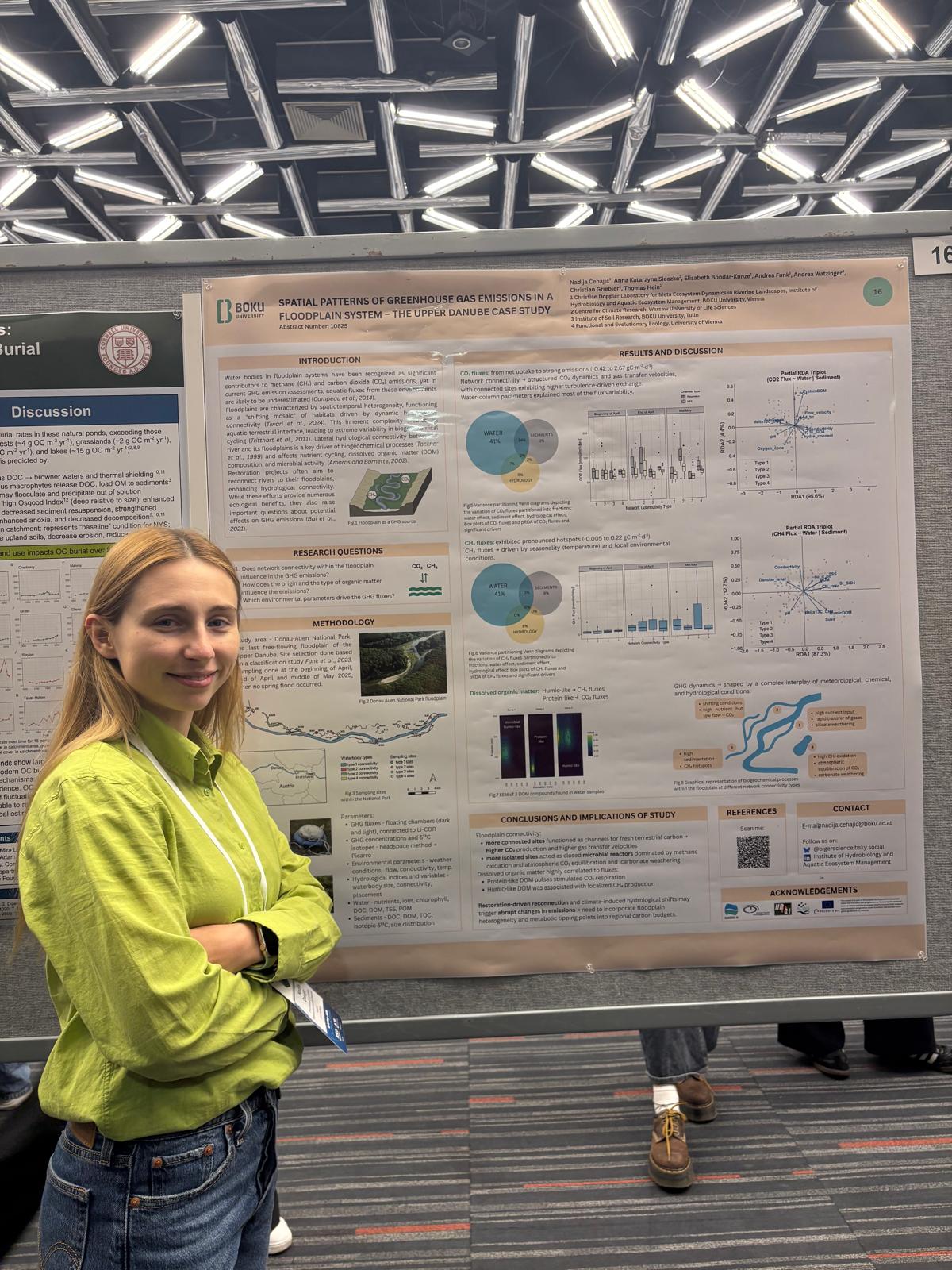
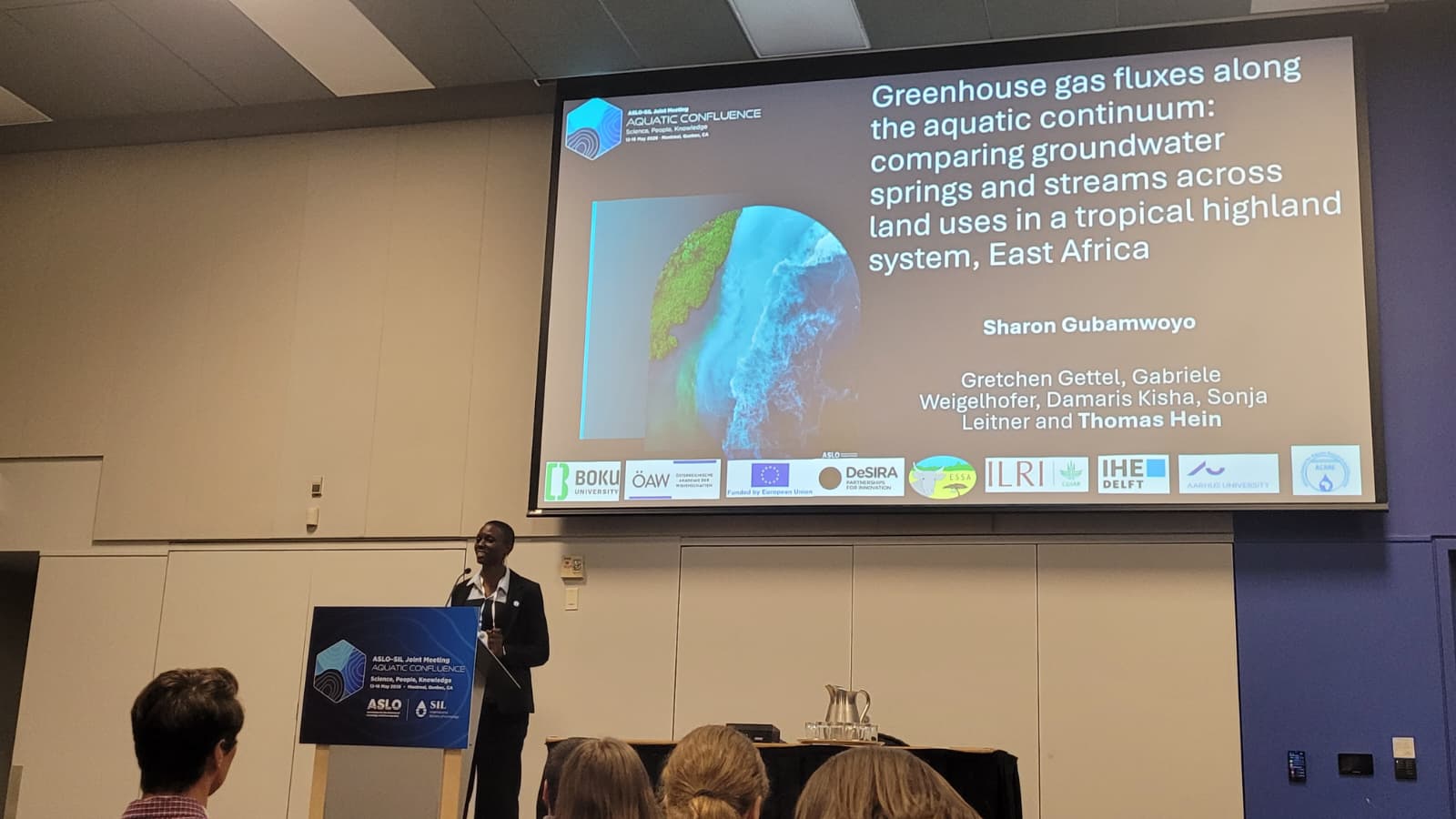
Several members of the BIGER group recently took part in the ASLO-SIL 2026 in Montreal,Quebec, Canada – an international congress fostering exchange and collaboration across freshwater and marine sciences.
Our researchers shared insights across a diverse set of topics:
- The application of the meta-ecosystem approach to analyse restoration efforts in large river ecosystems – the Upper Danube (Presenter: Thomas Hein and coauthors)
- Connection is a key: Assessing Restoration Effects on Multifunctionality and Ecosystem services in River Floodplains of the Danube system (Presenter: Bhargavi Nerikar and coauthors)
- Greenhouse gas fluxes along the aquatic continiuum: comparing groundwater springs and streams across land uses in a tropical highland systems, East Africa (Presenter: Sharon Gubamwoyo and coauthors)
- Spatial patterns of greenhouse gas emissions in a floodplain system – the Upper Danube case study (Presenter: Nadija Čehajić and coauthors)
We’re proud to be part of this international dialogue and to share our work with the wider aquatic research community.
https://www.aslo.org/aslo-sil-2026/
#MERI
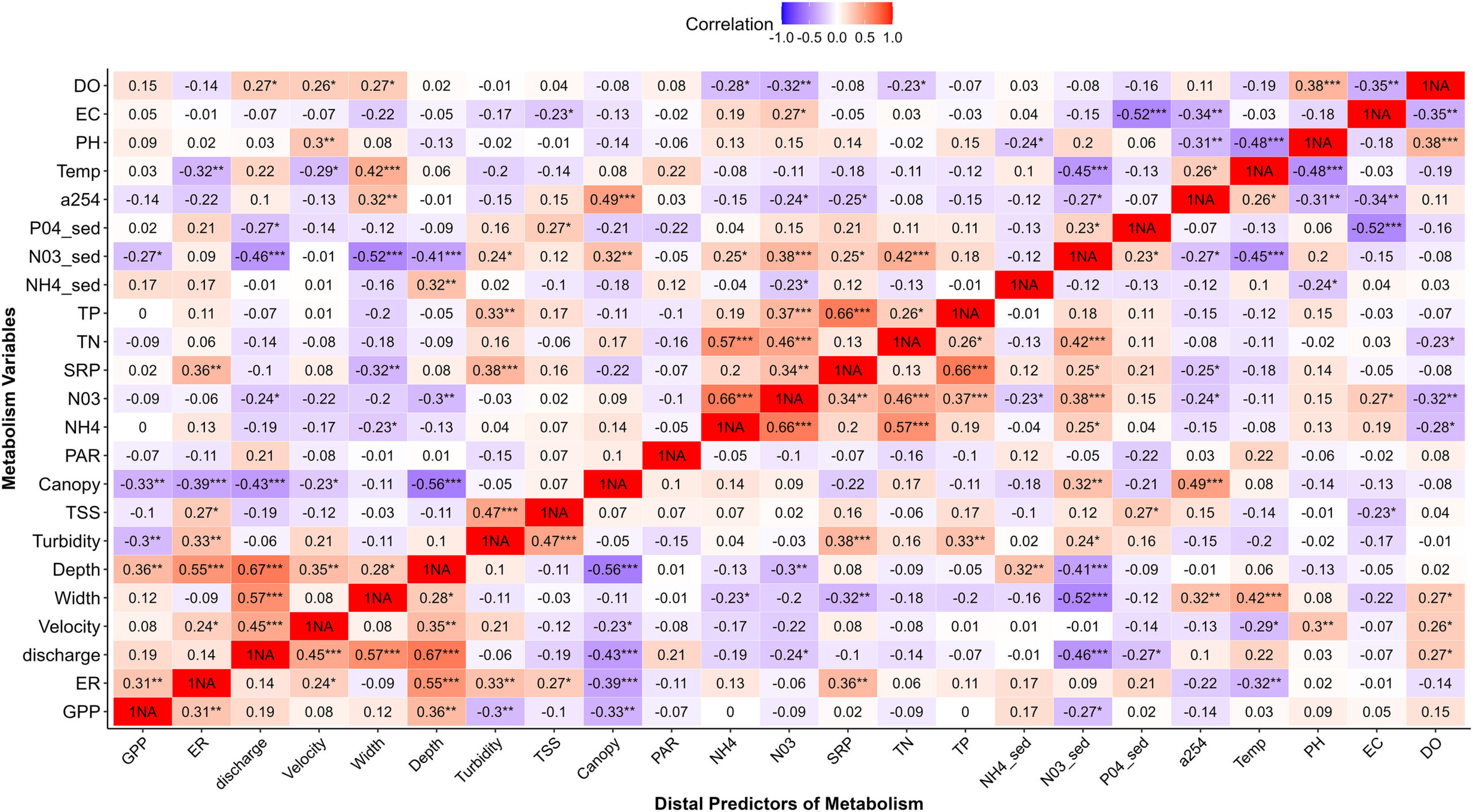
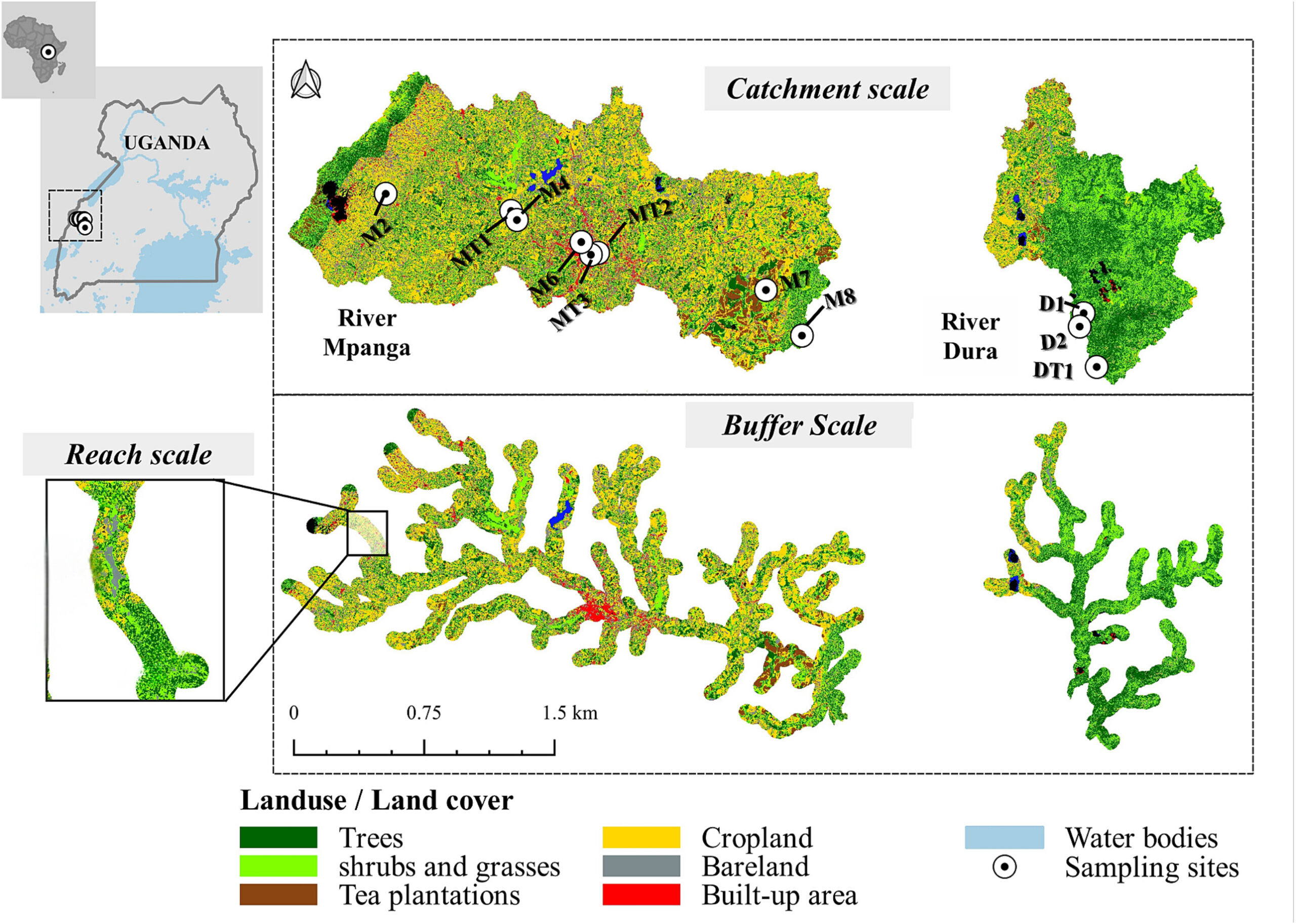
Drivers of stream metabolism in anthropogenically impacted tropical highland streams of Uganda
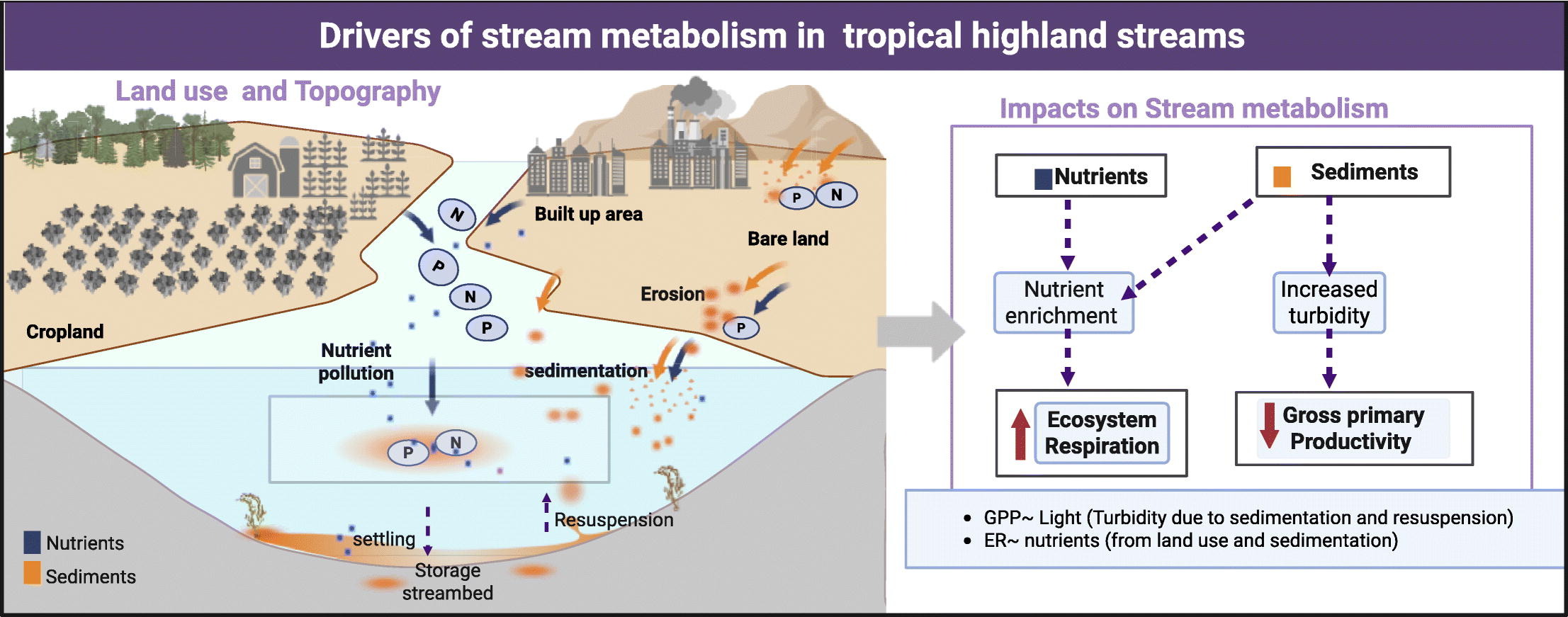
A new paper co-authored by Florence Nansumbi, Gabriele Weigelhofer, Robinson Odong, Martin Tschikof, Elisabeth Bondar-Kunze and Thomas Hein, has been published in CATENA.
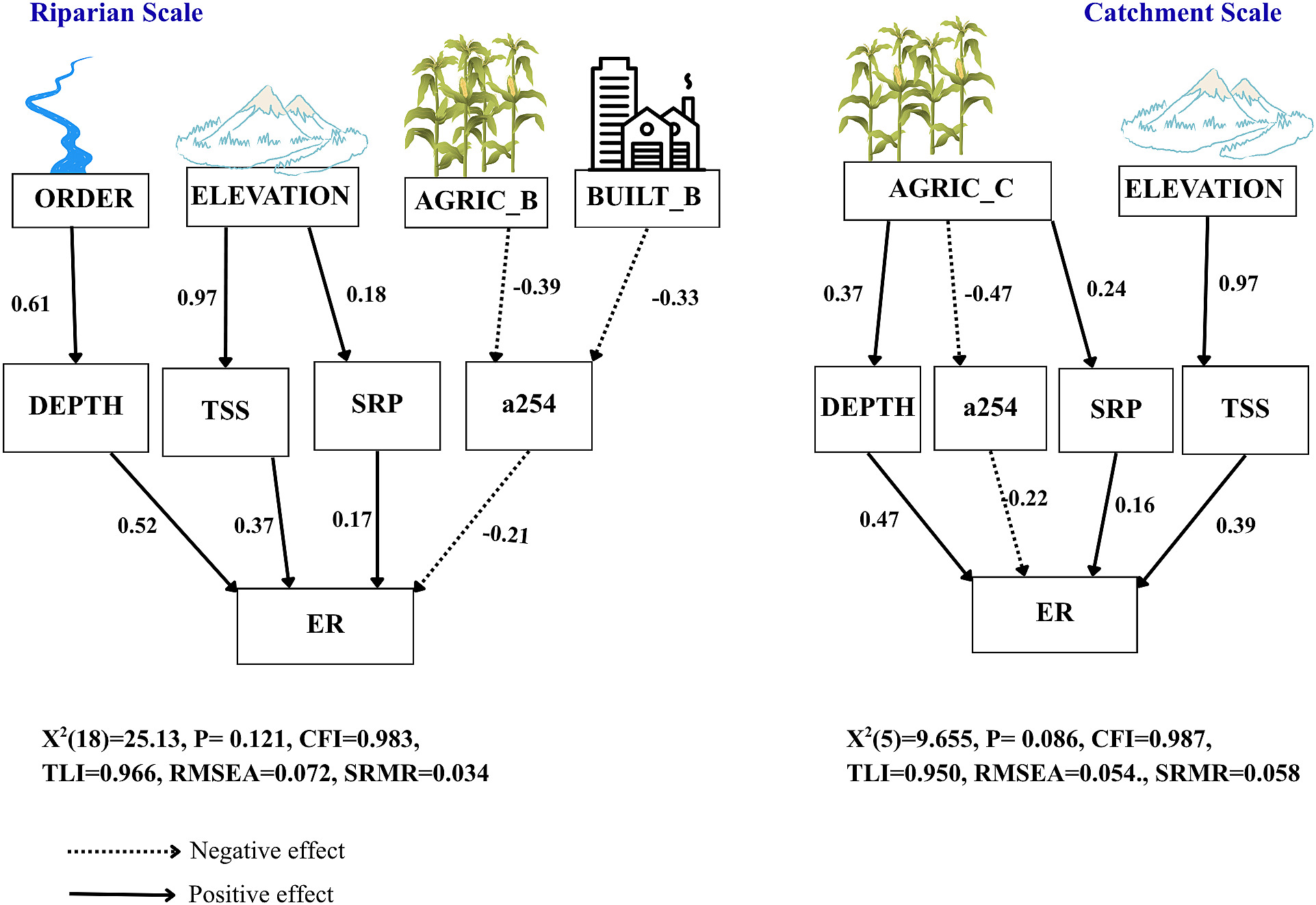
The study explores the drivers of stream metabolism in anthropogenically impacted tropical highland headwater streams in Uganda. The study shows that gross primary production was mainly limited by light availability, while ecosystem respiration increased with stream size and nutrient-rich sediments from disturbed slopes.
The paper highlights that both land use (agriculture, bare land, built-up areas) and topography strongly influence ecosystem functioning through their effects on local stream conditions. Total suspended solids (TSS) emerged as a key factor controlling net heterotrophy, exceeding the influence of commonly reported drivers such as riparian shading and terrestrial organic matter inputs.
The findings further suggest that increasing extreme rainfall events under climate change may intensify sediment transport and amplify impacts on carbon cycling, water quality, and ecosystem functioning in tropical highland streams.
The article is available online: https://doi.org/10.1016/j.catena.2026.110203
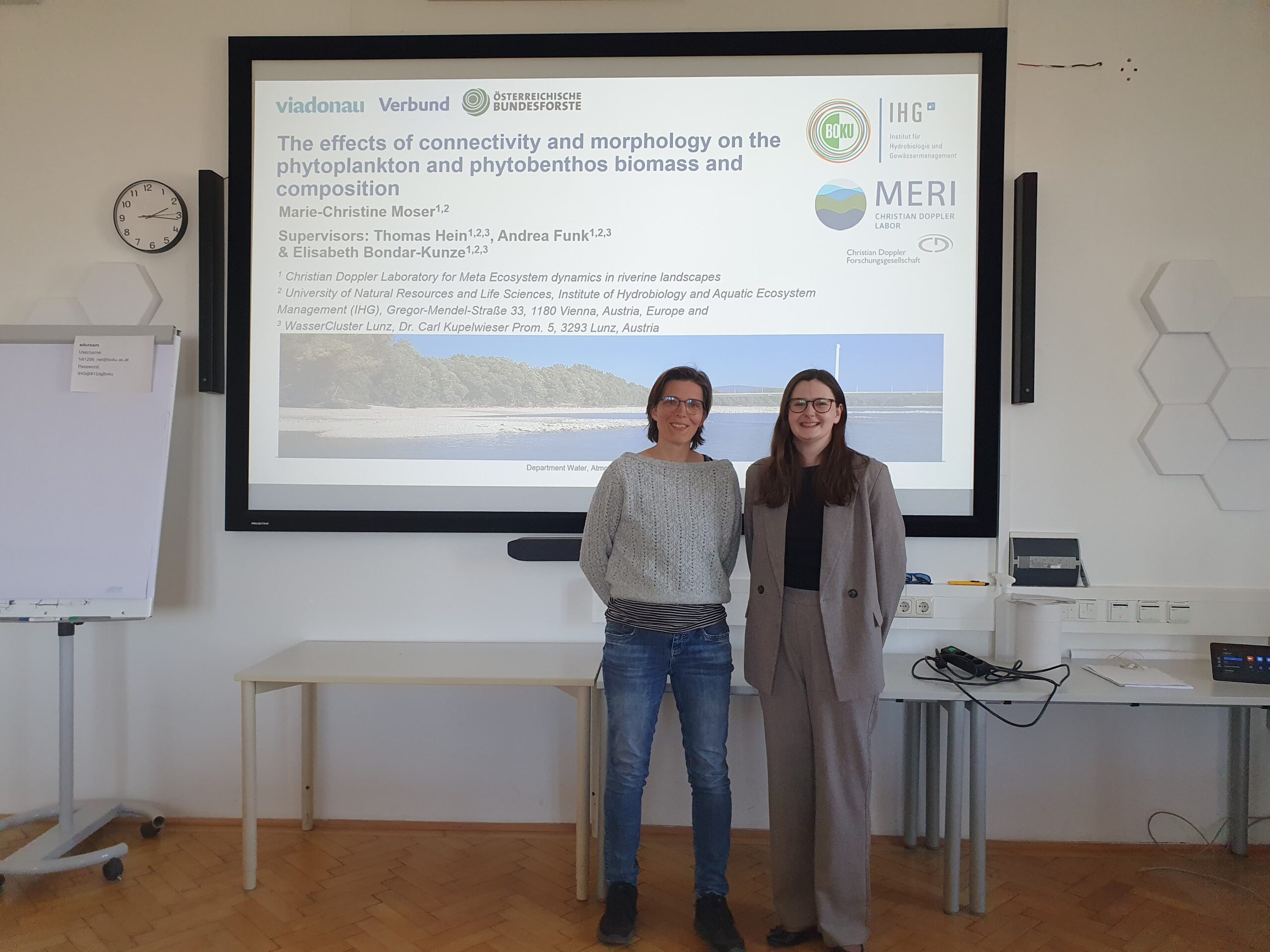
Congratulations Marie-Christine Moser!
A big congratulations to Marie-Christine Moser for successfully defending her Master’s thesis „ The effect of connectivity and morphology on the phytoplankton and phytobenthos biomass and composition “, supervised by Thomas Hein, Andrea Funk and Elisabeth Bondar-Kunze.
The study focuses on how the connectivity of riverine systems (specifically side arms of the Danube) and their structural, morphological characteristics (e.g., shoreline structure) influence the growth and composition of both pelagic algae (phytoplankton) and bottom-dwelling algae (phytobenthos).
Well done, Marie!
The study was conducted within the framework of the Christian Doppler Laboratory for Meta Ecosystem Dynamics in Riverine Landscapes (CD Laboratory MERI)
Disrupted currents and shifting riverbanks: unveiling the structure of fish assemblages in the fragmented Austrian Danube
A recent study authored by Daniel Pelz, Michael Grohmann, Jakob Neuburg, Stefan Auer, Stefan Schmutz, Thomas Hein & Günther Unfer, has been published in Hydrobiologia
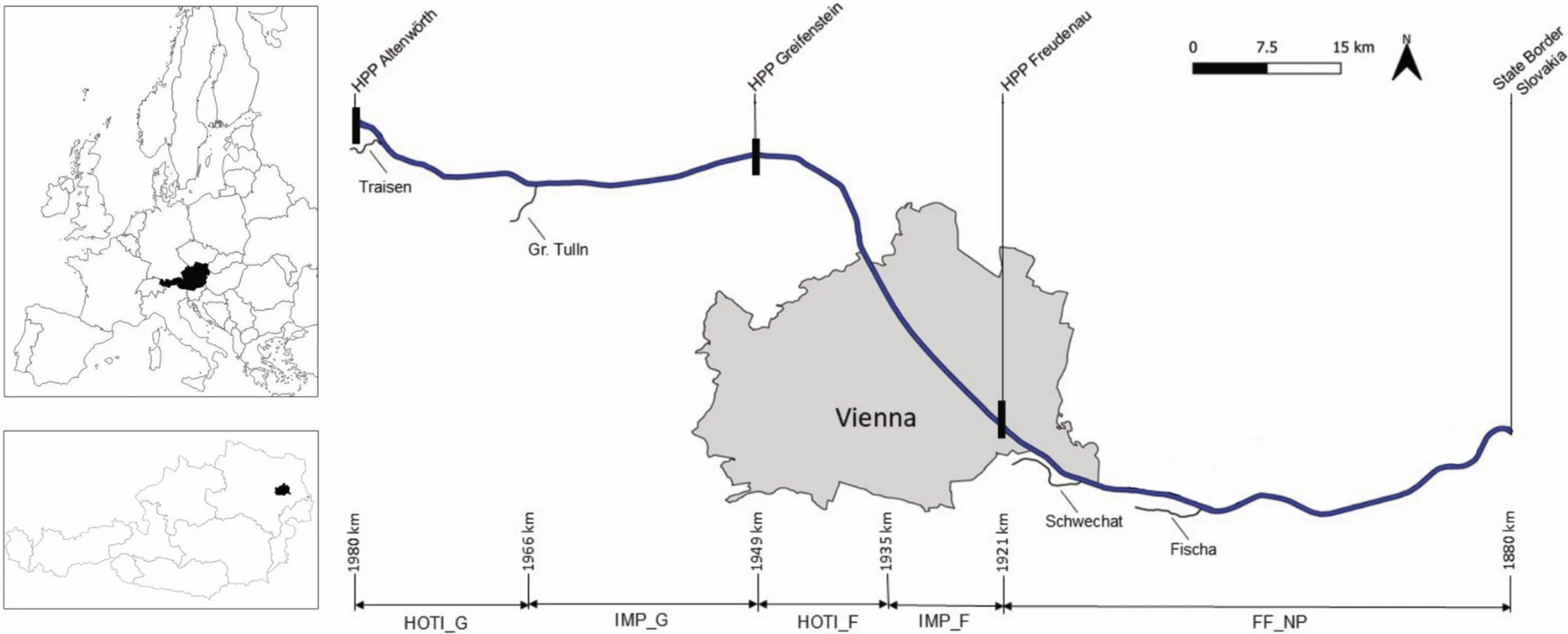
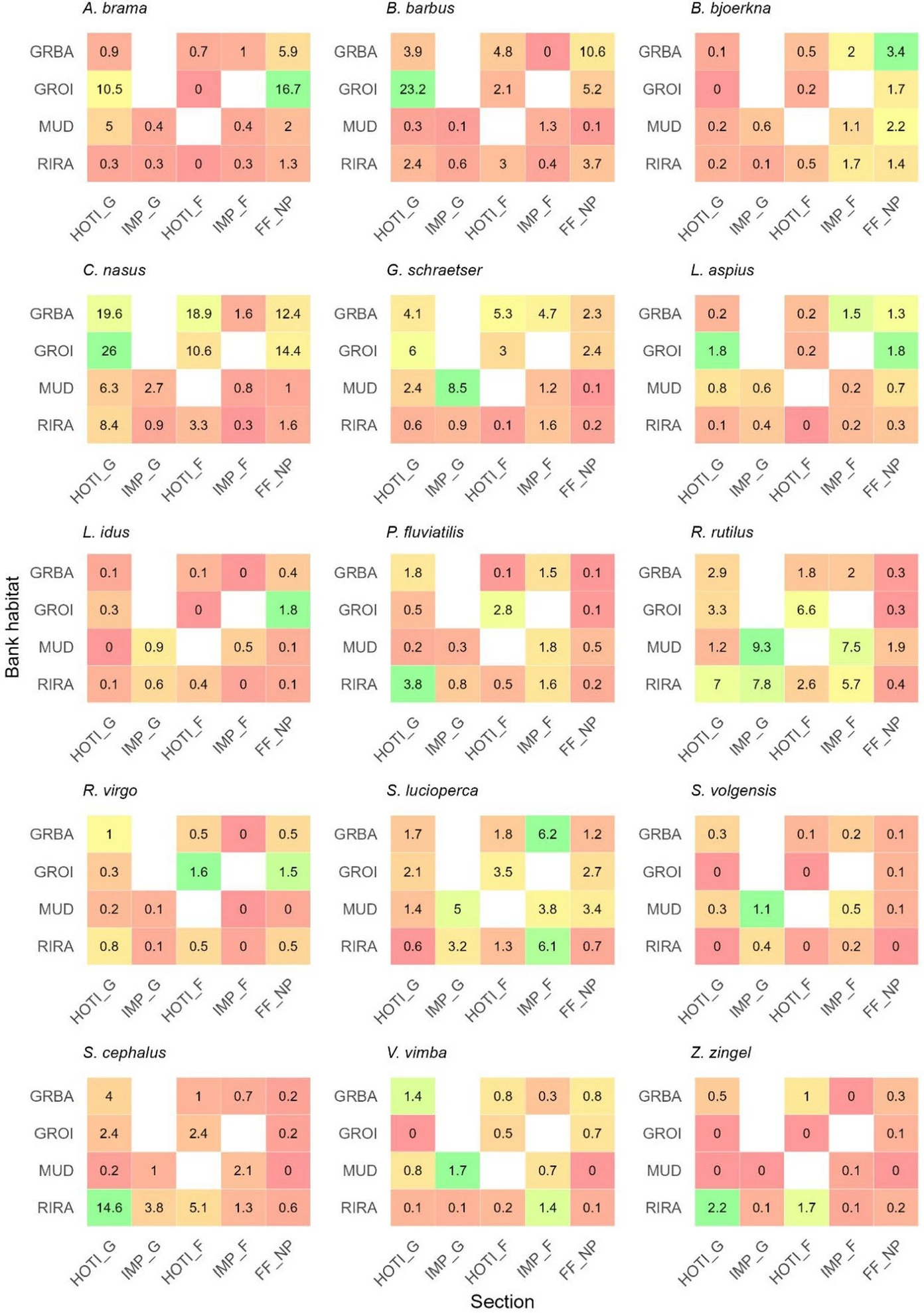
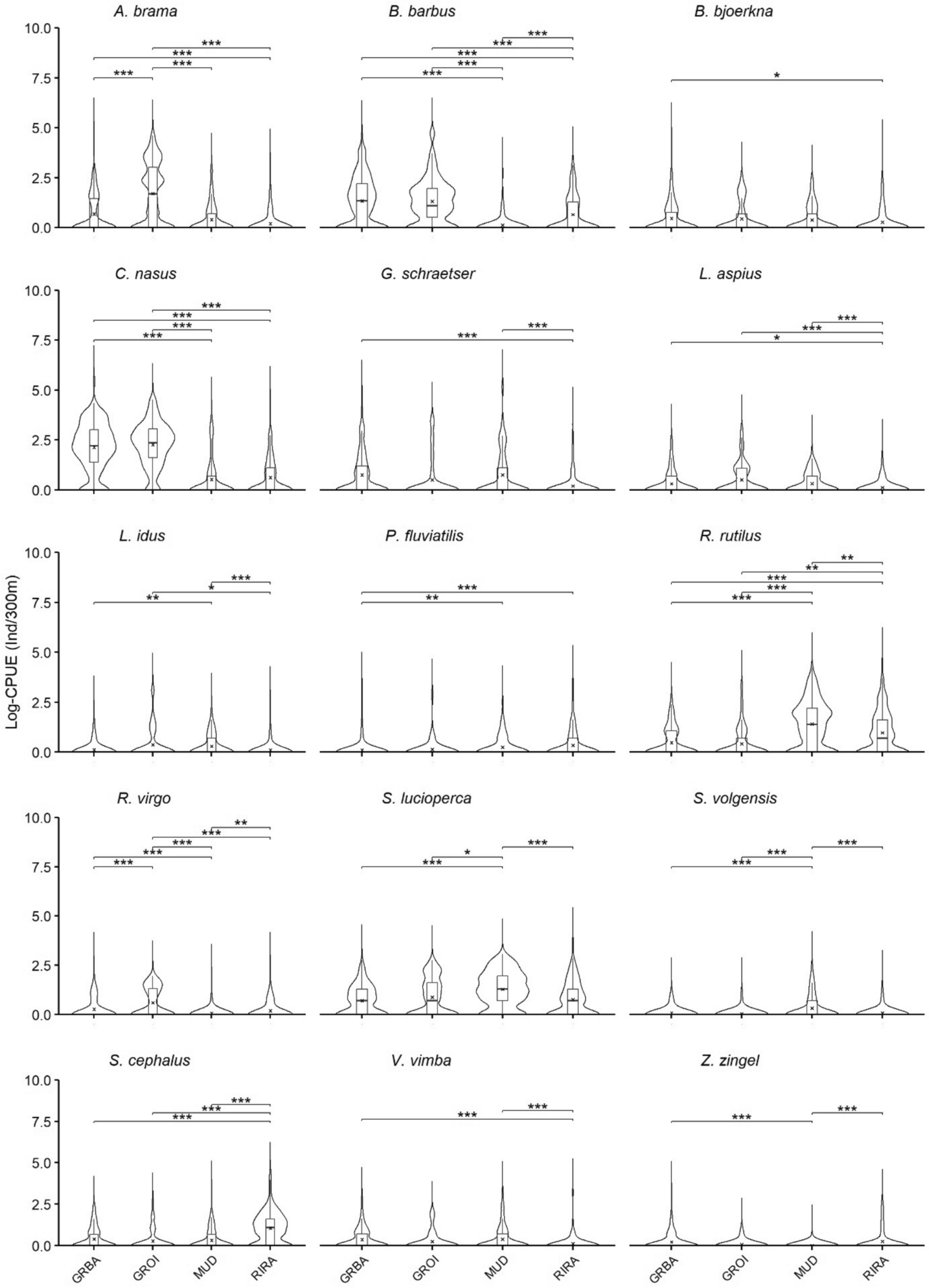
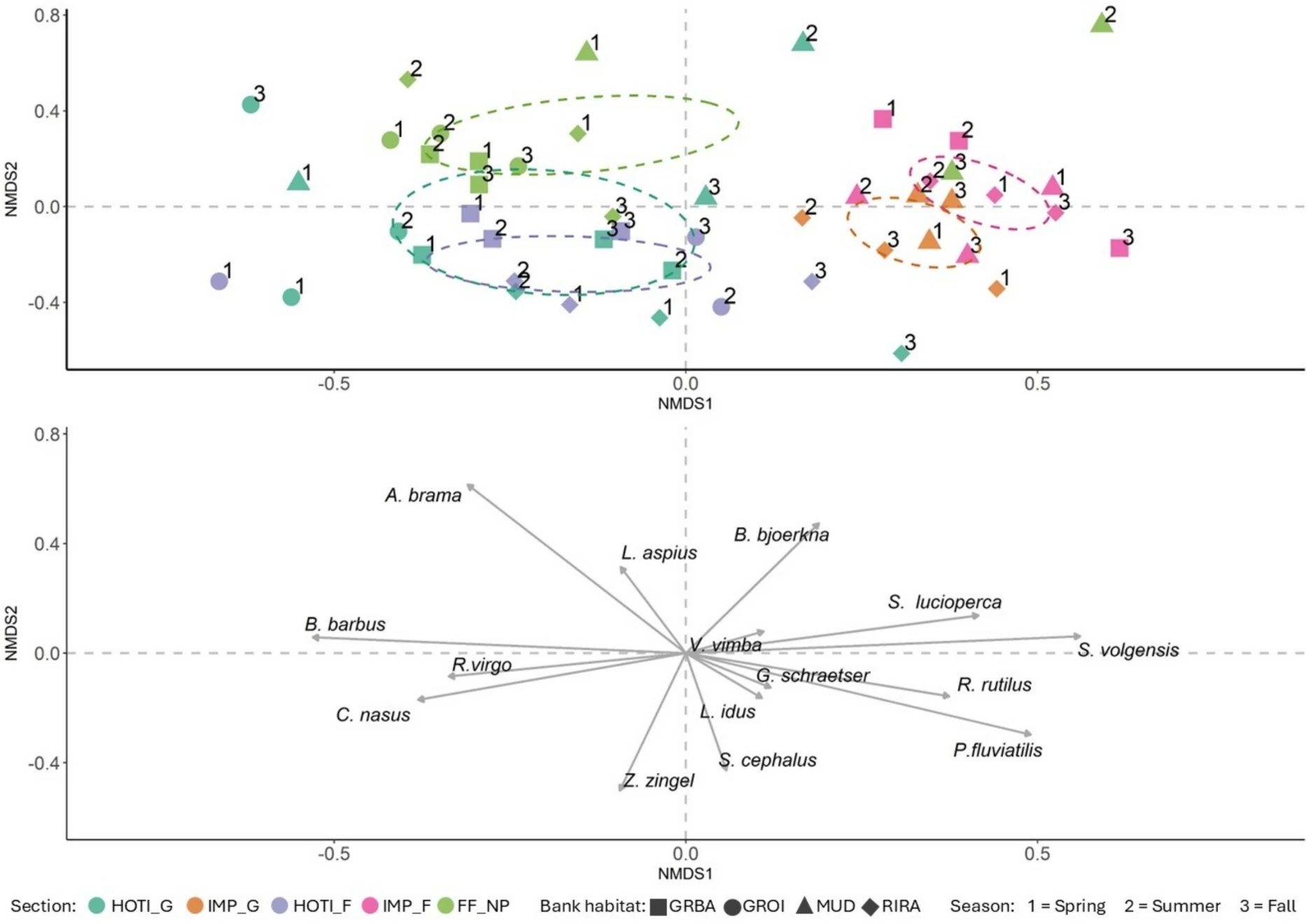
This study analyzes shoreline fish assemblages in the Austrian Danube in relation to habitat type and fragmentation caused by hydropower plants. Based on two years of electrofishing data, results show that fish composition and abundance are determined by both river section (connectivity) and local bank habitat conditions.
Comparisons with historical data indicate shifts in species diversity and abundance over the past 40 years, suggesting long-term impacts of hydromorphological alterations. The findings highlight the importance of connectivity and habitat structure for managing fish communities in regulated rivers.
To read the full article online, please click here: https://doi.org/10.1007/s10750-026-06208-w
New Scientific Paper Published: Lower Abundance of Young-of-the-Year Fish in Alpine Rivers Affected by Hydropeaking: An Austrian Field Study
A recent study authored by Kevin Merl, Bernhard Zeiringer, Daniel S. Hayes, Alexander Auhser, Stefan Schmutz, Franz Greimel, has been published in Ecohydrology
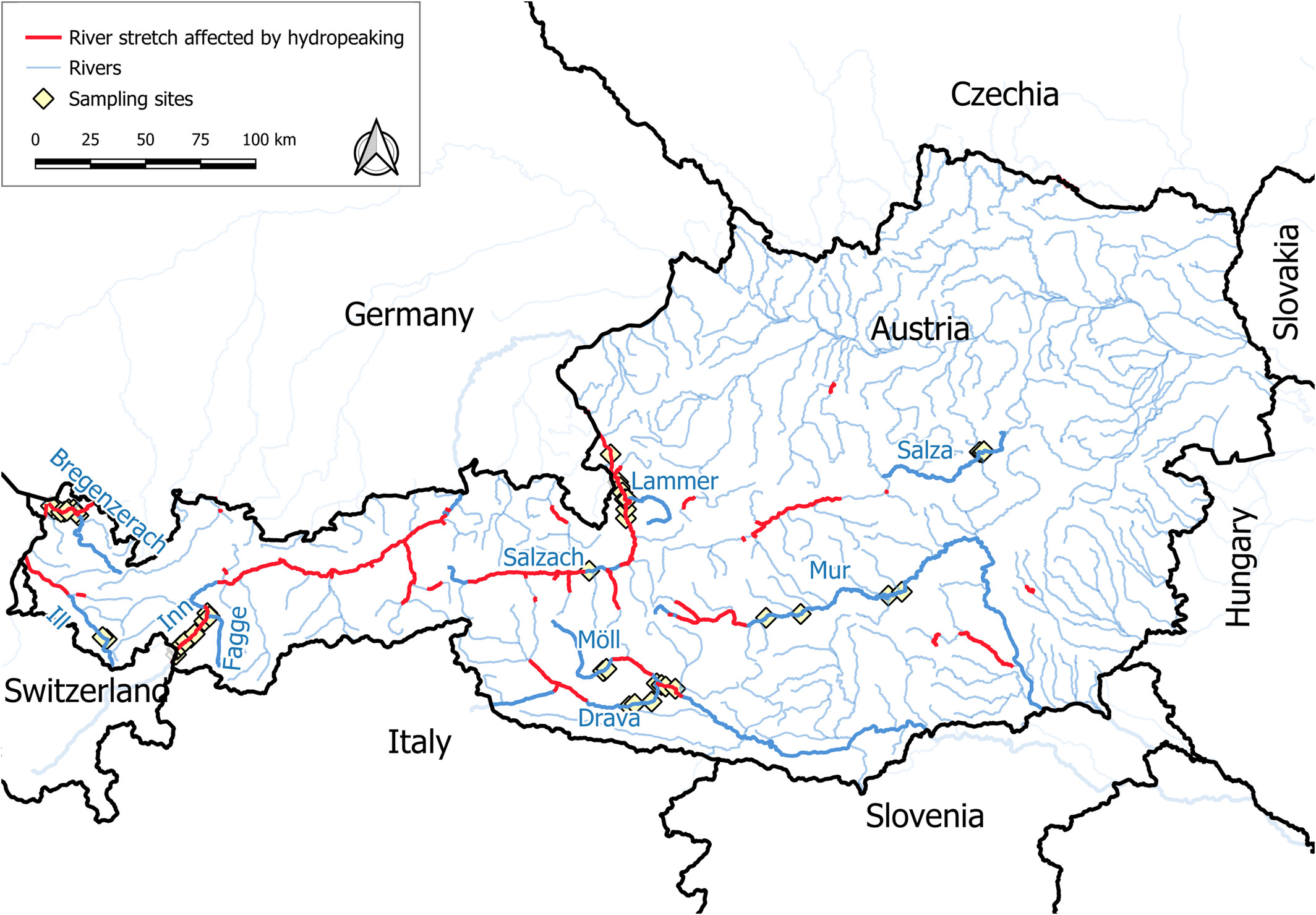
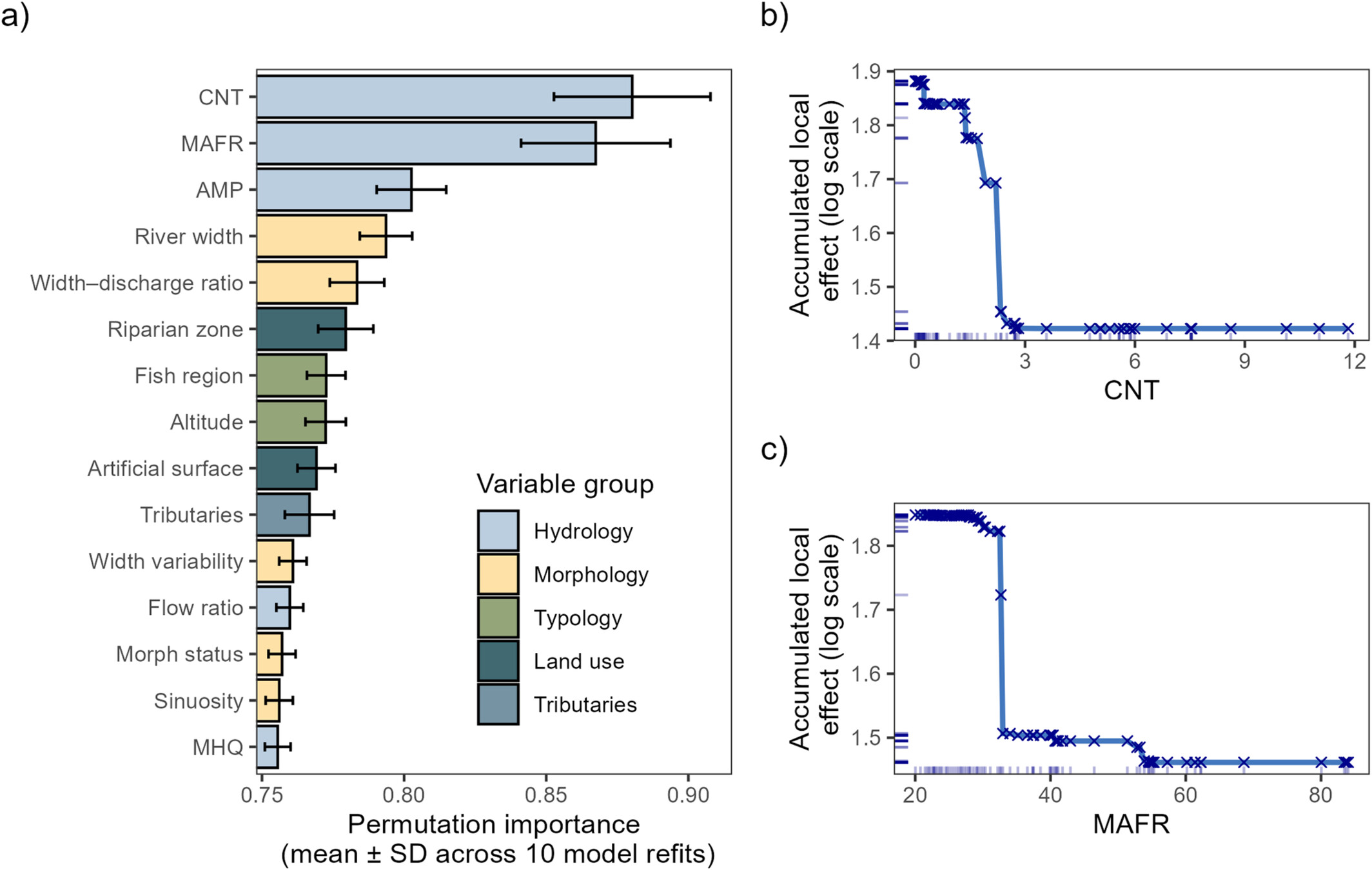
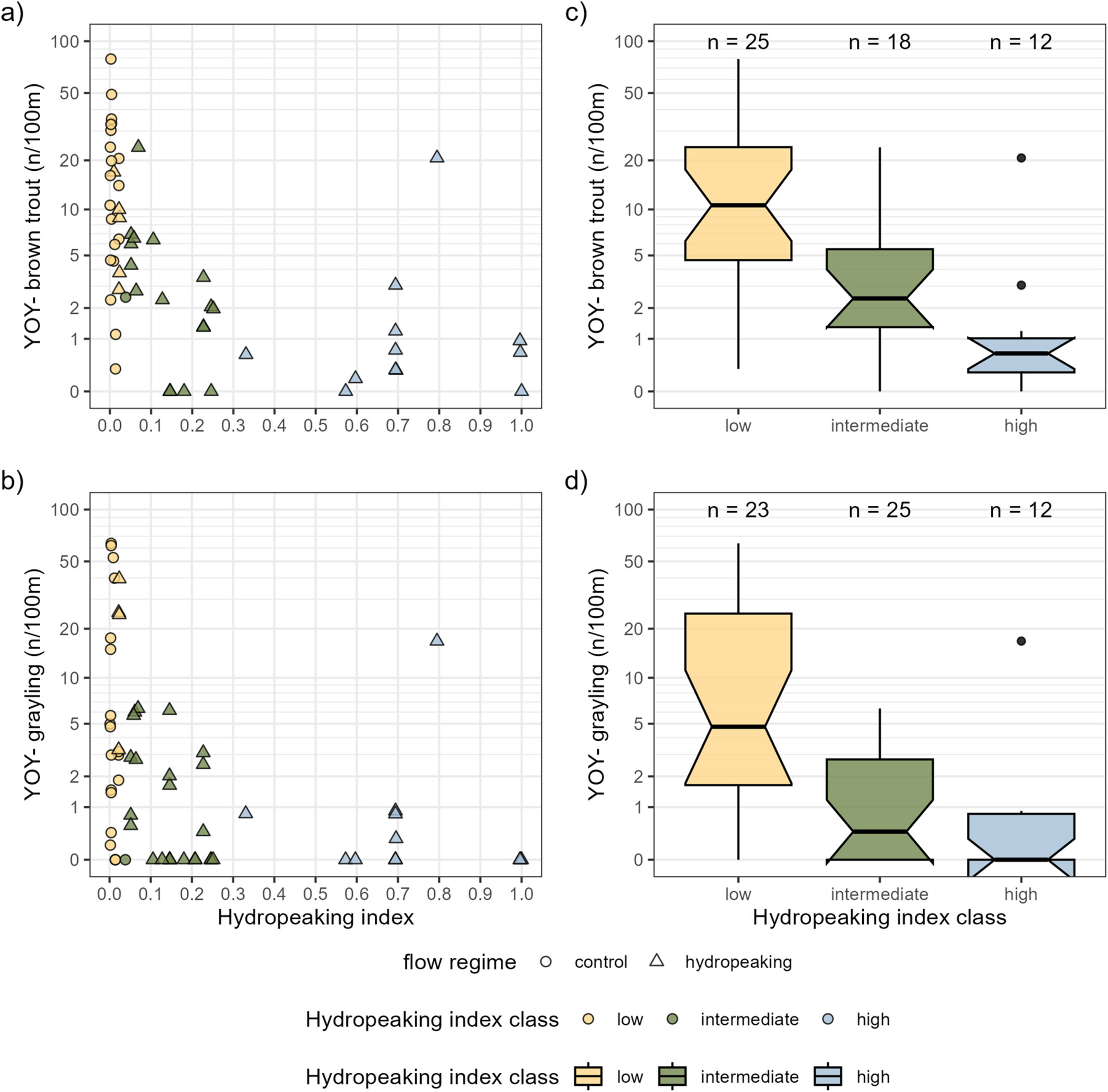
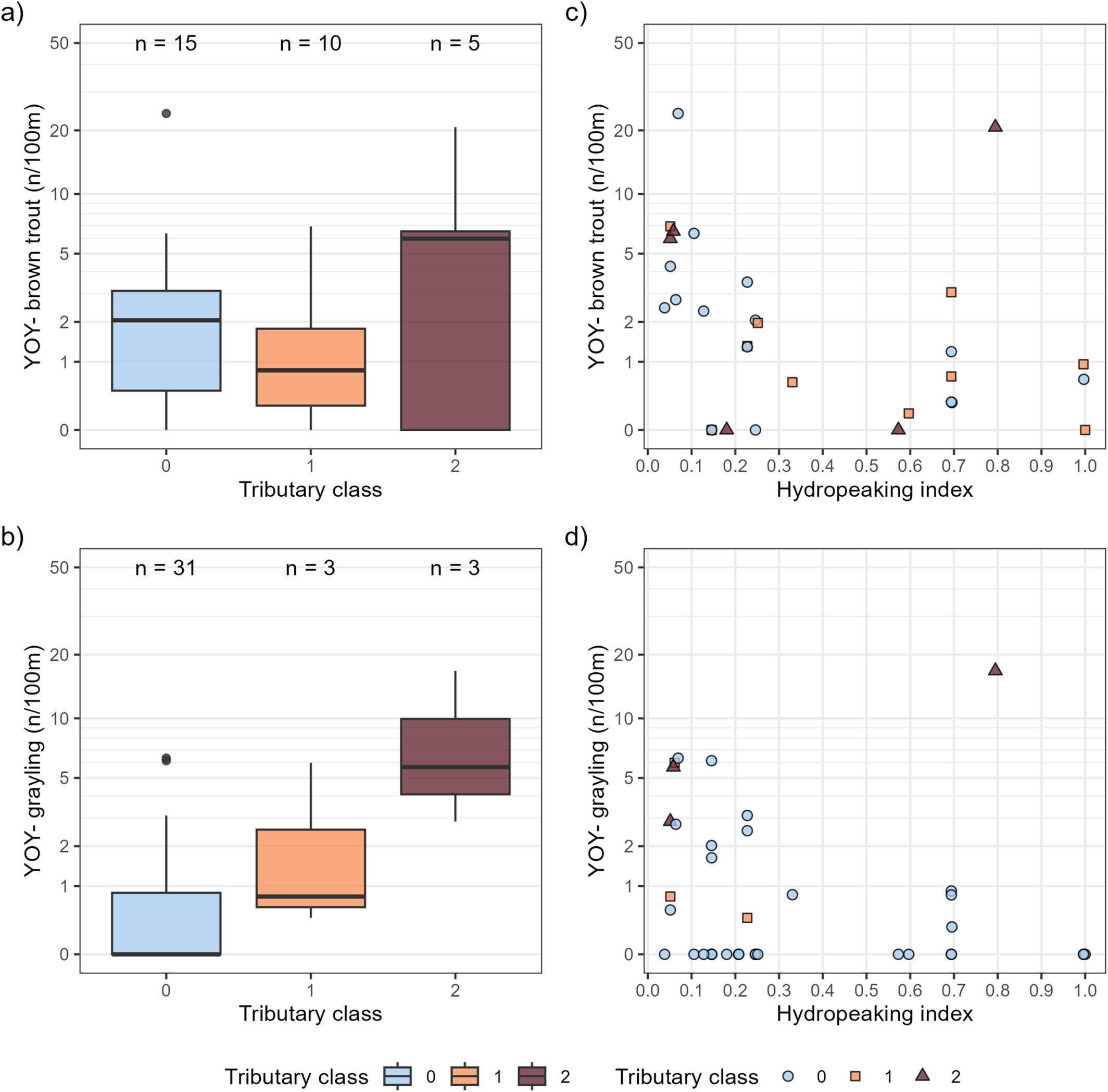
The paper investigates the ecological impacts of hydropeaking, rapid sub-daily flow fluctuations caused by hydropower operations, on young-of-the-year (YOY) fish in Austrian Alpine rivers. It demonstrates that hydropeaking, particularly through frequent events and rapid down-ramping rates, is strongly associated with reduced abundance of YOY brown trout and European grayling. By integrating key variables into a hydropeaking index, the study clearly shows a decline in fish abundance along increasing hydropeaking intensity. The findings emphasize the importance of managing flow dynamics, especially during critical developmental stages, and highlight YOY fish as a sensitive indicator of hydropeaking pressure.
To read the full article online, please click here: https://doi.org/10.1002/eco.70216
Art–Science Collaboration: Exhibition Parliament of Streams in Vienna
We are pleased to share that the BIGER team supported artist Carlos Monleón in the development of his installation Parliament of Streams, currently on view at DAS WEISSE HAUS in Vienna (17 April – 13 June 2026).
Parliament of Streams immerses visitors in an audiovisual installation that brings attention to underwater ecosystems of the Danube River and its tributaries. The work explores processes that usually remain unnoticed, translating scientific observations into multilayered sonic and material compositions. By interlacing different scales, rhythms, and textures, the installation reflects on the interdependence of ecological, social, and environmental systems.
The project was developed in close collaboration with the CDL MERI and BIGER team, working on Danube ecosystems. As part of this exchange, Carlos Monleón joined our fieldwork and sampling campaigns, including electrofishing surveys, and worked with us in the laboratory using microscopy. Through this collaboration, we contributed scientific knowledge and practical insights to support the development of the artwork.
This collaboration highlights the importance of connecting science and art to communicate complex environmental processes and to raise awareness of aquatic ecosystems and their ongoing changes.
We are very pleased to have been part of this inspiring interdisciplinary project.